




Type 2 Diabetes
Latest News
Advertisement
Latest Videos



Podcasts





CME Content



























































Advertisement
More News

A new analysis suggests HbA1c may be more informative to fatty liver disease severity than BMI, and should be included in screenings.
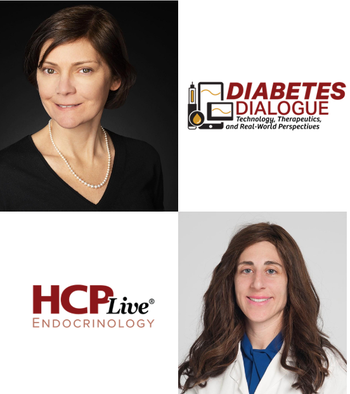
The first of 2 episodes on ADCES 2024, this episode focuses on sessions and presentations hosts Isaacs and Bellini participated in during the meeting.

Real-World Analysis Finds Tirzepatide Offers Greater Benefit than GLP-1 RAs for Heart, Kidney in T2D
A new real-world study suggests tirzepatide provides greater reductions in mortality, cardiovascular risk, and kidney events than GLP-1 receptor agonists in type 2 diabetes.
In this episode, hosts take a break from the ADCES meeting to discuss the latest news from Medtronic related to their Simplera CGM and their partnership with Abbott.

Treatment with GLP-1 RAs led to improvements in weight loss, liver function tests, and liver fat in patients with diabetes and MASLD, with hepatic improvements independent of weight loss.

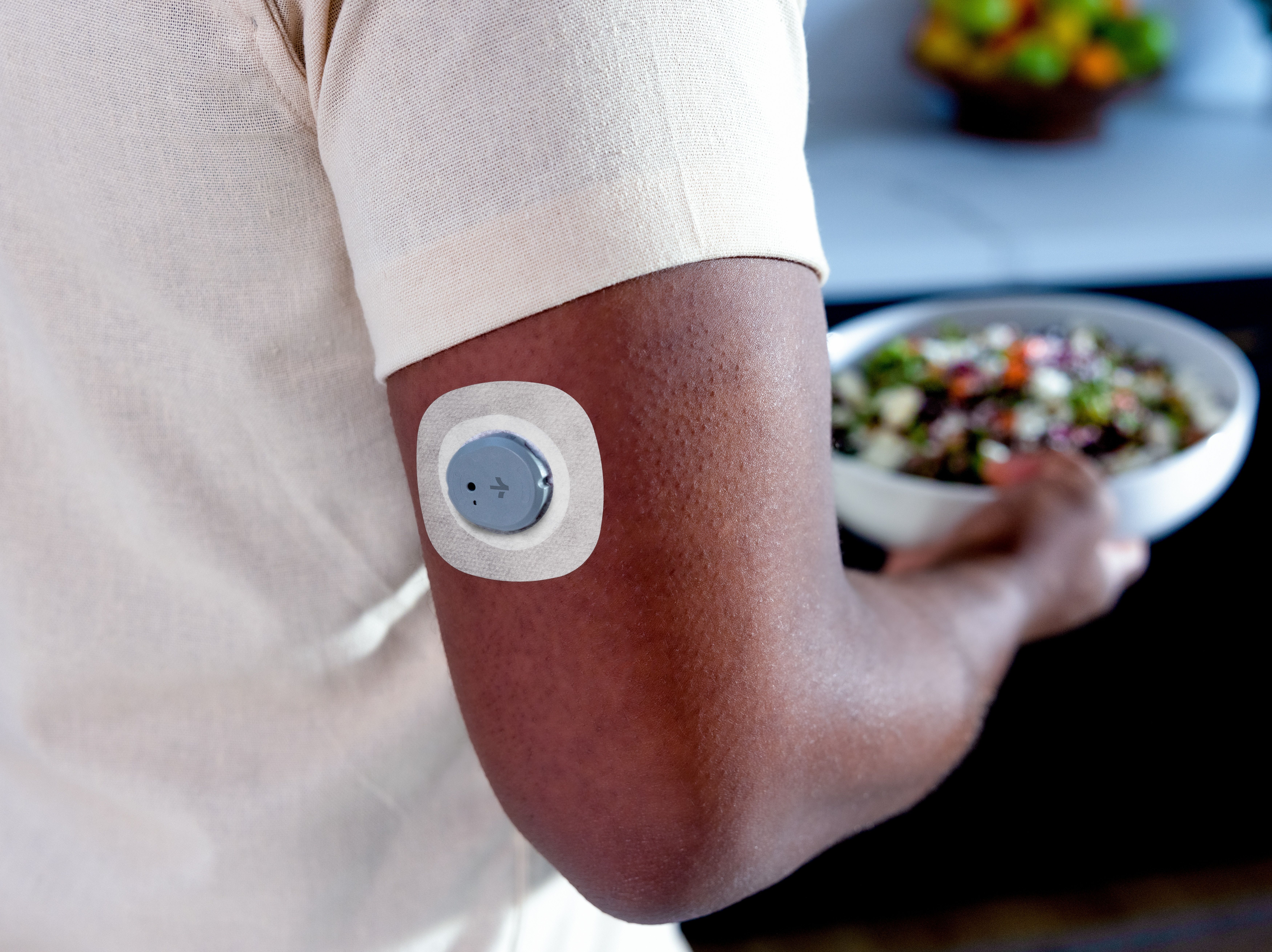
FDA approval for the Simplera™ continuous glucose monitor marks the company's first disposable, all-in-one CGM half the size of previous offerings.
The July 2024 endocrinology month in review recaps a pair of regulatory updates, multiple studies on incretin therapies, and the most recent episodes of our flagship diabetes podcast, Diabetes Dialogue.

New study finds semaglutide may reduce smoking urge in type 2 diabetes patients, decreasing tobacco use disorder medical encounters by up to 32%.

An analysis using records from 40 million US patients highlights the surge in new GLP-1 receptor agonist use, with semaglutide dominating new prescriptions since 2020.

A study found individuals with type 2 diabetes who received less than 7 hours of sleep had 2.6 increased odds of microvascular disease.

In this episode, John Buse, MD, PhD, discusses the background, expected prevalence, reaction to results, and the importance of the second part of the CATALYST trial.

Neuen explains the cardiovascular and kidney benefits of combining SGLT2 inhibitors and GLP-1 receptor agonists in diabetes and the future of combination therapy.
The CRL cites requests related to the manufacturing process and the type 1 diabetes indication before the application review can be completed.

A STEP-HFpEF analysis suggests semaglutide 2.4 mg (Wegovy) confers benefit across the spectrum of NYHA functional class among patients with obesity-related HFpEF.
Findings from a meta-analysis examining 12 trials including more than 70,000 patients with diabetes support combining SGLT2 inhibitors and GLP-1 RAs.

A study of 18,000 patients showed tirzepatide (Mounjaro) led to more significant weight loss than semaglutide (Ozempic) in adults with overweight or obesity.
In the endocrinology month in review, we spotlight top news in the endocrinology pipeline and the most important updates from ADA 2024.
Counting down the most impactful news at major medical meetings, it’s the HCPLive Five! This episode focuses on 5 updates from the 84th American Diabetes Association (ADA) Scientific Sessions.
In this episode, hosts recaps their picks for top diabetes technology-related updates from ADA 2024, including news from Omnipod, MiniMed 780G, and the Tandem mobi.

Davida Kruger, NP, joins the podcast to discuss updates in automated insulin delivery and continuous glucose monitoring systems from ADA 2024.

Data on outcomes stratified according to baseline use of SGLT2 inhibitors from the FLOW trial were presented at ADA 2024.

Ralph DeFronzo, MD, discusses the results of the first phase of the CATALYST trial and how results should influence the care of patients with difficult-to-treat type 2 diabetes.
The CATALYST trial sheds light on the true prevalence of hypercortisolism among difficult-to-control type 2 diabetes, with data at ADA 2024 shedding light on adrenal abnormalities and presence among subgroups.

Study results highlight the impact of continuous glucose monitoring on glucose control and HbA1c improvements in patients with type 2 diabetes, regardless of treatment regimen.
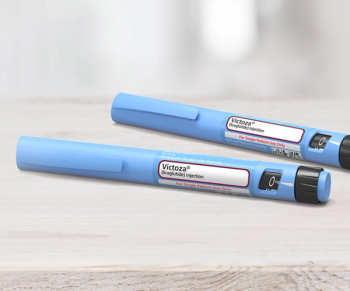
Teva Pharmaceuticals’ launch of an authorized generic of liraglutide injection 1.8 mg (Victoza) for type 2 diabetes makes it the first-ever generic GLP-1.
Advertisement
Advertisement
Trending on HCPLive
1
Half-Life vs. Real Life: How Real-World Evidence Is Reframing Wet AMD Treatment
2
FDA Grants Priority Review for Insmed's ARIKAYCE sNDA for MAC Lung Disease
3
When Innovation Builds Clinical Confidence: Evaluating Treatment Options in Hemophilia A
4
The HCPFive: Top News for Healthcare Providers from the Week of 09/13
5