






Type 2 Diabetes
Latest News
Advertisement
Latest Videos



Podcasts






CME Content



























































Advertisement
More News

Participants assigned to a 4-day energy balance diet plus oral bisphenol A administration at 50 μg/kg body weight experienced significant decreases in peripheral insulin sensitivity.
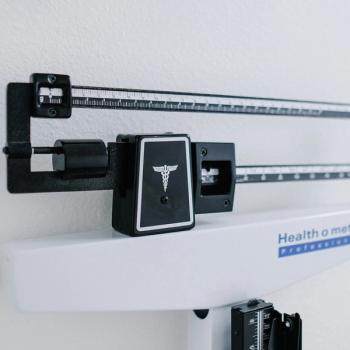
In retrospective, observational research at ADA 2024, real-world weight loss was linked to a reduction in the risk of obesity-related cancers.

A first-time trial presented at ADA 2024 found the common cholesterol-lowering drug halts vision loss in patients with diabetic eye disease.
This episode covers the clearance of 2 new OTC CGMs from Abbott, JDRF becoming Breakthrough T1D, and the FDA clearance of the CamAPS FX for people with T1D

At Heart in Diabetes, full results of the GRACE trial detailed the benefits of relacorilant use from both parts of the 2-part, phase 3 trial.

Alexandra Louise Møller, MS, PhD, discusses the results of a PROVALID analysis examining the predictive value of endotrophin levels for predicting CKD events.
In our nephrology month in review for May 2024, we spotlight the biggest news from the NKF and ERA meetings, including the latest updates in IgA nephropathy, C3 glomerulopathy, chronic kidney disease, and more!
In this episode, hosts provide their audience with an overview of a pair of new studies on the topic of diabetes in pregnancy: the GLAM and CRISTAL studies.
Our endocrinology month in review for May 2024 highlights pipeline news in endocrinology and spotlights our coverage of the landmark FLOW trial from ERA 2024.

Brendon Neuen, MBBS, PhD, joins the podcast to discuss the latest updates in nephrology, including the landmark FLOW trial.

The panel concludes by discussing the long-term outcomes for patients treated for hypercortisolism, emphasizing the need for further studies and data, and sharing their final thoughts on the disease and its future management.
Medical professionals discuss their ideal patients for surgery, and who would be best suited for pharmacologic intervention.
Relacorilant achieves primary endpoint in phase 3 GRACE trial among patients with hypercortisolism and hyperglycemia, hypertension or both, with sNDA expected in Q3 2024.

Ji Hyun “CJ” Chun, MPAS, PA-C, BC-ADM, explains how the adoption of 5 new diabetes subtypes may foster precision care.
Hosts break down the FLOW trial, take a deep dive into secondary findings, and provide insight into how this alters the perception of the role for semaglutide in management of CKD in type 2 diabetes.

Vlado Perkovic, MBBS, PhD, discusses the results of the FLOW trial and their implications for clinical practice at ERA 24.

Semaglutide 1.0 mg reduced major kidney disease events and slowed eGFR decline in patients with type 2 diabetes and chronic kidney disease, according to the FLOW trial.
Ji Hyun “CJ” Chun, MPAS, PA-C, BC-ADM, explains the potential value of defining diabetes subtypes based on insulin, obesity and age factors.

During AAPA 2024, a group of session presenters provide recommendations for the next year's agenda based on trends and development.

Peterson reviews the gastric and hormonal events linked to drugs like tirzepatide, before considering whether incretin therapies will help to finally embrace obesity as the medical condition it is.
With agents like semaglutide and tirzepatide becoming household drug names, Peterson discusses the short-term future of incretin drug development.

New analyses show adults aged ≥65 years old are at about 30% increased risk of hypertension when diagnosed with diabetes mellitus.

Medical experts offer a comprehensive overview of the pathophysiology of hypercortisolism, detailing its impact on β-cell dysfunction and reduced insulin sensitivity, and discuss the potential role of GLP-1 treatment in managing the condition.
Ralph DeFronzo, MD, leads a discussion on the evolving perception of autonomous adrenal hypercortisolism, highlighting that its prevelance is significantly greater than previously understood.

The analysis of NHANES data revealed almost 90% of adults meet the criteria for stage 1 or greater CKM syndrome, consistent from 2011-2020.
Advertisement
Advertisement
Trending on HCPLive
1
Half-Life vs. Real Life: How Real-World Evidence Is Reframing Wet AMD Treatment
2
FDA Grants Priority Review for Insmed's ARIKAYCE sNDA for MAC Lung Disease
3
When Innovation Builds Clinical Confidence: Evaluating Treatment Options in Hemophilia A
4
The HCPFive: Top News for Healthcare Providers from the Week of 09/13
5