





Type 2 Diabetes
Latest News
Advertisement
Latest Videos





Podcasts



CME Content



























































Advertisement
More News
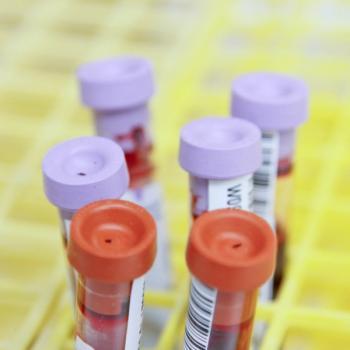
Hyperuricemia was significantly linked to dyslipidemia and hypertriglyceridemia in hospitalized patients with type 2 diabetes, which remained after adjustment.

In this episode, hosts discuss optimizing insulin therapy for people with diabetes using AI-driven algorithms with Eran Atlas, CEO of DreaMed Diabetes.
Our Endocrinology Month in Review for December 2024 highlights recent headlines in diabetes and endocrinology and 4 new episodes of Diabetes Dialogue.

A systematic review and meta-analysis of observational real-world data finds nearly half of patients who begin a GLP-1 RA will discontinue within a year.
In this episode, hosts discuss a slight dip in US obesity rates, the use of inhaled insulin, and the benefit of mifepristone for HbA1c reduction.
A list recapping our most popular endocrinology coverage from the past year.

The FDA's approval marks the second generic approval referencing a GLP-1 receptor agonist in as many months for the agency.
In this episode, hosts discuss the efficacy of MariTide for obesity, a head-to-head comparison of semaglutide vs. tirzepatide, and concerns about GLP-1 agonist compounding.

A study finds that individuals with low or high LDL cholesterol levels face a greater cardiovascular risk than those with medium levels.
In this episode, hosts reflect on the advancement in CGM that reshaped care for diabetes and overall health during 2024.

Real-world data from 18,710 MASH patients highlight the impact of comorbidities, biomarkers, and region on mortality, with 70% of deaths CVD-related.

Observational data point to aldosterone dysregulation as an underrecognized risk factor for hypertension and confirm T2D as a known risk factor.

Alice Cheng, MD, discusses the impact of diabetes on cognitive function and the emerging role of diabetic drug classes in dementia care.

Jennifer B. Green, MD highlights the successful implementation of evidence-based therapies for high-risk patients with type 2 diabetes.

Ralph A. DeFronzo, MD discusses the Noxious Nine and the impact of hypercortisolism on difficult-to-control type 2 diabetes.
Patients with hypercortisolism and difficult-to-control type 2 diabetes who received mifepristone exhibited a significant HbA1c improvement in the Phase 4 trial.

Elevated blood insulin levels and insulin resistance each contributed to an elevated risk of colorectal cancer, a new study finds.

To celebrate surpassing 100 episodes, Diabetes Dialogue sits down with Irl Hirsch, MD, to discuss the 25-year anniversary of continuous glucose monitoring in 2024.

A propensity score-matched study from ASH 2024 suggests GLP-1 RA use reduced VTE risk in type 2 diabetes.
A look into how SGLT2 inhibitors, GLP-1 RAs, and nsMRAs have redefined the management of cardio-kidney-metabolic diseases.
In this episode, hosts discuss the collaboration between Dexcom and Oura Ring, expanded compatibility of Omnipod 5 with Freestyle Libre 2, and Simplera CGM integration with the InPen.

Data from SURMOUNT-5, a head-to-head trial, demonstrate tirzepatide offered greater weight loss benefits than semaglutide.
Previous ASA guidance recommended holding GLP-1 RAs in the perioperative period, but new 2024 multisociety guidance suggests a risk-based approach.
Our Endocrinology Month in Review for November 2024 highlights recent headlines in diabetes and endocrinology as well as 5 new episodes of Diabetes Dialogue.

Amgen’s MariTide achieved up to 20% average weight loss at 52 weeks without hitting a plateau in individuals with obesity or overweight.
Advertisement
Advertisement
Trending on HCPLive
1
Half-Life vs. Real Life: How Real-World Evidence Is Reframing Wet AMD Treatment
2
FDA Grants Priority Review for Insmed's ARIKAYCE sNDA for MAC Lung Disease
3
When Innovation Builds Clinical Confidence: Evaluating Treatment Options in Hemophilia A
4
The HCPFive: Top News for Healthcare Providers from the Week of 09/13
5