





Type 2 Diabetes
Latest News
Advertisement
Latest Videos








Podcasts









CME Content



























































Advertisement
More News

According to the analysis, high-performing primary care practices use similar strategies to manage change and quality improvement in care for people with diabetes.

A network meta-analysis suggests tirzepatide may be more effective than semaglutide in reducing HbA1c and body weight in type 2 diabetes but may increase gastrointestinal adverse events, especially at higher doses.

Sarah Wheeler, PharmD, and John Bucheit, PharmD, provide perspective on contemporary trends in screening and management of nonalcoholic fatty liver disease in people with type 2 diabetes.

An analysis of patient data from a health system in southern California suggests both type 1 and type 2 diabetes rates rose among younger populations during the COVID-19 pandemic, affecting non-Hispanic Black and Hispanic youth most significantly.
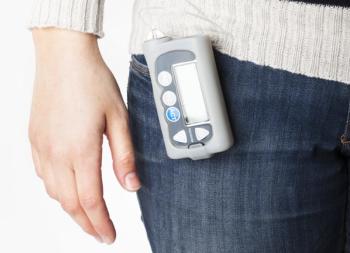
Diana Isaacs, PharmD, and Natalie Bellini, DNP, provide a breakdown of the latest news in diabetes management, including FDA clearance of a new insulin pump and a major acquisition within the diabetes world.

A study reveals a link between low free thyroxine and fatty liver risk in type 2 diabetes patients, suggesting a gender-specific thyroid-liver interaction.

An analysis of data from more than 60,000 women details associations between specific chronotypes and risk of unhealthy lifestyle behaviors as well as risk of developing type 2 diabetes.

An analysis of data from more than 20,000 women in the New York City A1c registry details the prevalence of and drivers behind racial/ethnic disparities in the incidence of type 2 diabetes following gestational diabetes mellitus.

A case series of 10 patients with newly diagnosed type 1 diabetes provides insight into the beneficial effects of off-label semaglutide use on insulin use, HbA1c, and fasting C-peptide levels among this patient population.
In this episode, hosts discuss their experience interacting with the Tandem Mobi pump from the ADCES 2023 meeting and offer perspective on what the Welldoc clearances mean for people with diabetes and care providers.

Using data from the ASPREE trial, a new study from EASD 2023 suggests use of low-dose aspirin in older adults could reduce the risk of developing type 2 diabetes.

During this episode, hosts are joined by Etty Vider, PharmD, for a nuanced discussion surrounding leveraging diabetes technology to improve care for people with diabetes, including exploring strategies for improving the utilization of diabetes technology, the role of primary care in adoption of these technologies, and how improved uptake correlates to improved outcomes.

A prespecified analysis of the CLEAR Outcomes trial assessing outcomes according to glycemic status suggests bempedoic acid provided similar relative benefits across the glycemic spectrum, but the greatest absolute benefits were observed in patients with diabetes.
In this special edition episode, hosts break down what the announcement of the 10 drugs selected for Medicare price negotiations under the Inflation Reduction Act means for providers and people with diabetes.

Citing more than half a dozen major trials in the 2 years since the release of their 2021 heart failure guidelines, the European Society of Cardiology has released a focused update to their heart failure guidance.

An analysis of data from more than 30,000 people with type 2 diabetes provides insight into the long-term use of metformin and risk of vitamin B12 deficiency.

An analysis of data from CREDENCE provides insight into the prognostic potential of a group of 4 common biomarkers for predicting cardiovascular and kidney issues in people with type 2 diabetes.
In this episode, Isaacs and Bellini sit down with Dawn Noe, RDN, LD, for a discussion surrounding her journey into diabetes care, the importance of individualizing nutrition in diabetes management, and the sessions she led and moderated at ADCES 2023.

Using data and eligibility criteria from the STEP 1 trial, a California-based team estimates 93 million US adults met criteria for semaglutide 2.4 mg and use could prevent 1.5 million incident cardiovascular events over a 10-year period.
In this episode, which is the first of multiple special edition ADCES 2023 episodes, hosts hold an overarching discussion of the meeting itself and major themes from the ADCES's 50th anniversary celebration.
In this episode, hosts take time to break down the implications of two, potentially paradigm-shifting news in the announcement of the addition of bexagliflozin to the Cost Plus Drugs platform and topline data from the landmark SELECT trial.

In a Q&A, Clipper Young, PharmD, MPH, discusses the Pharm2Home Initiative based on his presentation from ADCES 2023 and describes the impact of community-driven, pharmacist-led interventions to improve health literacy in those with chronic disease.

Joshua Neumiller, PharmD, takes part in a Q&A on the role of deprescribing in older adults with diabetes mellitus based on a presentation from the Association of Diabetes Care and Education Specialists 2023 annual meeting.

This endocrine case report feature a woman with a history of diabetes, hypertension, and marijuana use in her mid 50s brought to the ED for confusion by her friend and neighbor who states that she has been like this for 3 days. Can you determine how best to proceed?
Our July 2023 endocrinology month in review features an FDA approval, topline results from a pair of major trials, and a pair of new guidelines related to the management and diagnosis of diabetes.
Advertisement
Advertisement
Trending on HCPLive
1
Half-Life vs. Real Life: How Real-World Evidence Is Reframing Wet AMD Treatment
2
FDA Grants Priority Review for Insmed's ARIKAYCE sNDA for MAC Lung Disease
3
When Innovation Builds Clinical Confidence: Evaluating Treatment Options in Hemophilia A
4
The HCPFive: Top News for Healthcare Providers from the Week of 09/13
5