






Type 2 Diabetes
Latest News
Advertisement
Latest Videos



CME Content




























































Advertisement
More News

Announced on April 6, the recall, which is the most serious of its kind, includes all Readers used with the FreeStyle Libre, FreeStyle Libre 14 day, and FreeStyle Libre 2 Flash Glucose Monitoring Systems distributed from November 2017-February 2023, which totals more than 4 million devices in the US.

A systematic review and meta-analysis found the prevalence of diabetes increases with COVID-19 severity, with diabetes accounting for 9.5% of severe COVID-19 cases and 16.8% of deaths.
Our March 2023 endocrine month in review highlights the top news and headlines in endocrinology from the past month, including reductions in insulin list prices, regulatory decisions, and more!

Data from the PROMISE II study detail the effects of transcatheter arterialization procedures with the LimFlow System for reducing the rate of amputation in people with chronic limb-threatening ischemia.

This feature articles commemorates the 10-year anniversary of the FDA's first approval of an SGLT2 inhibitor on March 29, 2013 and provides a snapshot at the class's ascent into the treatment algorithms and guidelines for type 2 diabetes, heart failure, and chronic kidney disease.

In this episode, hosts celebrate the 10-year anniversary of the approval of the first SGLT2 inhibitor, discuss announcements related to insulin pricing, and take a deep dive into 24-week data from the MOMENTUM trial.

Our latest endocrine case report from Brady Pregerson, MD, features a patient in their mid-70s with a history of diabetes mellitus and end-stage kidney disease presenting with 6 days of gradually worsening right ear pain. Can you determine the correct diagnosis?

A phase 2 trial comparing once weekly basal insulin Fc against once daily insulin degludec, results of the study will help provide the basis for forthcoming phase 3 research examining the agent.

A systematic review and meta-analysis of 27 studies reveal the prevalence of DR in pediatric T2D increased significantly more than 5 years after diagnosis.
In this in-studio episode, hosts offer insight and perspective into what the news regarding the CMS expansion of CGM coverage means for people with diabetes and take a deep dive into a recent announcement of an FDA clearance for Abbott's FreeStyle Libre sensors.

New research indicates cooccurring edentulism and diabetes mellitus were linked to accelerated cognitive decline among participants in a nationally representative sample of older adults.

Data from a phase 2 randomized clinical trial demonstrate use of the GLP-1 receptor agonist exenatide could be used as a treatment for idiopathic intracranial hypertension in women.

If approved, Boehringer Ingelheim and Eli Lilly and Company's SGLT2 inhibitor would be the first agent in the class with an indication as an adjunct to diet and exercise for improving glycemic control in children with type 2 diabetes aged 10 years and older.

Data from COORDINATE-Diabetes presented at ACC 2023 demonstrate the impact of a multifaceted, coordinated care approach on improving prescription rates of statins, ACEs/ARBs, and glucose-lowering medications among people with type 2 diabetes.

The US FDA has granted clearance to the FreeStyle Libre 2 and FreeStyle Libre 3 sensors for integration with automated insulin delivery systems. Abbott, which noted ongoing collaborations with Insulet and Tandem, expects the modified sensors to be available in the US later this year.
A recap of the top news and research from the 16th annual meeting for Advanced Technologies and Treatments for Diabetes in Berlin, Germany.
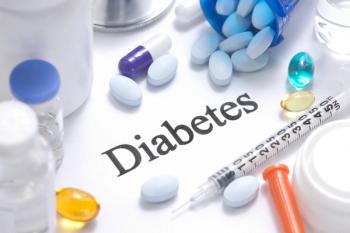
After Eli Lilly and Company announced major reductions in list prices for multiple insulin products, the community rejoiced at the though of taking a major step forward toward equitable access to insulin. Learn more about the reaction from major organizations and those within the field.

In this episode, Stuart Weinzimer, MD sits down with hosts for a discussion on his research and experience with diabetes technology, the need to focus on patient-reported outcomes in pediatric diabetes, and strategies for meeting the practical needs of individuals with diabetes.
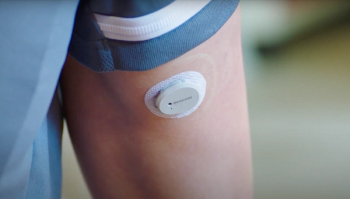
A trio of studies presented at ATTD 2023 detail the strengths and limitations of real-time continuous glucose monitoring technologies in an array of patient populations and settings.

In this episode, hosts are joined by Grazia Aleppo, MD, to discuss the development of guideline recommendations for diabetes technology as well as her top takeaways from the ATTD 2023 meeting.

Data from a trio of studies presented at ATTD 2023 provide insight into the utility of the Omnipod 5 across multiple patient populations as well as use for use in inpatient settings.

Announced on March 1, Eli Lilly and Company's reduction in insulin product list prices includes non-branded insulin lispro, Rezvoglar, KwikPens, Humulin, and Humalog. The company would also be instituting an out-of-pocket cost cap of $35 for most insulin users.

Hosts are joined by the associate director of Medical Affairs and Medical Education at MannKind for a special edition episode from ATTD 23 that focuses on use of inhaled insulin and future research plans for MannKind.

In this episode, hosts are joined by Marissa Town, BSN, RN, and Renza Scibilia for a discussion centered around the role of the patient voice in diabetes management while on site at ATTD 2023.

Medha Munshi, MD, discusses the concept of healthy aging in diabetes and offers perspective on contemporary trends in hurdles and optimized strategies to achieve healthy aging in people with diabetes.
Advertisement
Advertisement
Trending on HCPLive
1
Half-Life vs. Real Life: How Real-World Evidence Is Reframing Wet AMD Treatment
2
FDA Grants Priority Review for Insmed's ARIKAYCE sNDA for MAC Lung Disease
3
When Innovation Builds Clinical Confidence: Evaluating Treatment Options in Hemophilia A
4
The HCPFive: Top News for Healthcare Providers from the Week of 09/13
5