






Type 2 Diabetes
Latest News
Advertisement
Latest Videos




CME Content




























































Advertisement
More News

Tina Q. Tan, MD, and Kimberly Simmons, MD, discuss improved methods of monitoring blood glucose levels in patients with type 1 diabetes.

Using data from the SEARCH for Diabetes in Youth study, a new analysis suggests rates of type 1 diabetes in youth may increase by 65% between now and 2060, while rates of type 2 diabetes could increase more than 600% during that same period if left unchecked.
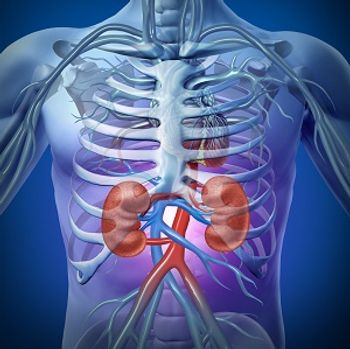
Results from the REGARDS study suggest traditional CKD risk factors were associated with higher risk of incident CKD and eGFR decline in Black individuals, compared to White individuals.

Eight studies provided evidence to suggest the relationship between diabetes and the onset of frozen shoulder, but more high-quality cohort studies may be necessary to better understand the nature of the relationship.

MAFLD-lean and MAFLD-diabetes subgroups recorded a higher risk of all-cause and disease-specific mortality compared to the MAFLD-overweight/obese group.

Using data from 18 trials with more than 1400 participants, a systematic review and meta-analysis offer clinicians an overview of the effects of SGLT2 inhibitor use on body composition in people with type 2 diabetes.

Using data from more than 55,000 people with diabetes using metformin is providing new insight into the apparent reductions in risk of negative cardiovascular and renal outcomes as well as all-cause mortality with use of SGLT2 inhibitors.

Kimberly Simmons, MD, reviews a new drug in the pipeline for the treatment of pediatric type 1 diabetes.
Experts consider how often a patient with a family history of type 1 diabetes needs to be retested.

Exploratory analyses of data from the Look AHEAD trial suggest maintaining an HbA1c level of 7% or less was associated with smaller increases in frailty index over the 8-year study period when compared to their counterparts with an HbA1c level of 8% or greater.

Drs Diana Isaacs and Natalie Bellini share takeaways for clinicians exploring non-invasive insulin delivery methods to manage diabetes.

Expert healthcare practitioners discuss ongoing studies of inhaled insulin in T2D and how it might fit into treatment protocol.

To celebrate the end of 2022 and the advances witnessed in the past year, our editorial team has created a list of the top 8 most popular pieces of content related to endocrinology from 2022.
Tina Q Tan, MD, and Kimberly Simmons, MD, discuss lifestyle changes such as a balanced diet and glucose monitoring in the management of pediatric T1D.
Tina Q Tan, MD, and Kimberly Simmons, MD, comment on early screening for pediatric T1D, screening options, and next steps once a child has tested positive for 2 or more autoantibodies.

Our editorial team is celebrating the end of 2022 by recapping our most popular content related to diabetes technology from the past year.

Our recap of new guidelines and recommendations related to diabetes management from 2022 includes the 2023 Standards of Care, USPSTF recommendation on type 2 diabetes screenings in adolescents, recommendations for pharmacologic management of obesity, new bariatric surgery guidance, and a consensus report on use of automated insulin delivery.

To commemorate the inaugural year and the success of Diabetes Dialogue in 2022, our editorial team has compiled a list of the 5 most popular episodes from the past year. Further in this article, we offer readers a look into each of our hosts top picks for episodes during 2022.

Dr Diana Isaacs provides an overview of the latest developments in oral insulin to manage patients with diabetes.
Drs Diana Isaacs and Natalie Bellini compare dosing of inhaled insulin to injectable insulin for the management of diabetes.
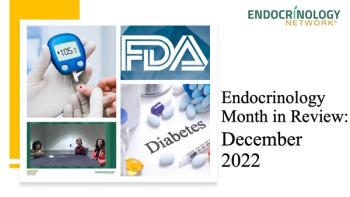
The last full weekend of each month, our editorial team compiles a list of our most popular endocrinology content from the past month for a month in review recap. The December 2022 endocrinology month in review features coverage of the FDA’s clearance of Dexcom G7, new data related to use of SGLT2 inhibitors in pediatric type 2 diabetes, and the ADA's Standards of Care in Diabetes—2023.

In the December 2022 episode of Diabetes Dialogue, Diana Isaacs, PharmD, and Natalie Bellini, DNP, sit down to discuss recent developments in the field, with a spotlight on the Dexcom G7 CGM, key takeaways from the ADA’s Standards of Care in Diabetes—2023, and perspective from the ADCES Diabetes Technology Conference 2022.

Data from the nuMoM2b study suggests greater adherence to a Mediterranean diet was associated with reductions of 37%, 28%, and 21% in odds of gestational diabetes, preeclampsia, and any adverse pregnancy outcome, respectively, among a cohort of more than 7000 nulliparous women.
Kimberly Simmons, MD, reviews stages 1, 2, and 3 of pediatric T1D progression.
Tina Q Tan, MD, and Kimberly Simmons, MD, provide an overview of the prevalence of type 1 diabetes (T1D) in pediatric patients as well as its risk factors.
Advertisement
Advertisement
Trending on HCPLive
1
Half-Life vs. Real Life: How Real-World Evidence Is Reframing Wet AMD Treatment
2
FDA Grants Priority Review for Insmed's ARIKAYCE sNDA for MAC Lung Disease
3
When Innovation Builds Clinical Confidence: Evaluating Treatment Options in Hemophilia A
4
The HCPFive: Top News for Healthcare Providers from the Week of 09/13
5