




Type 2 Diabetes
Latest News
Advertisement
Latest Videos






CME Content




























































Advertisement
More News
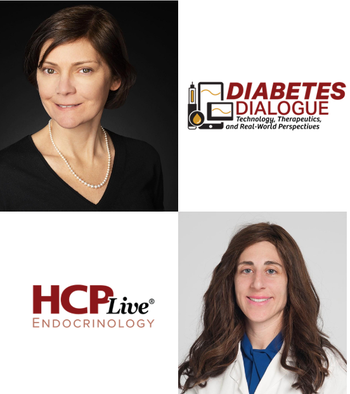
As a follow-up to an episode earlier this year and the FDA clearances of the technology that forms the iLet Bionic Pancreas, hosts sat down in the MJH Life Sciences studio for a special edition recording to explore the implications of the clearance, dispel misconceptions surrounding the system, and hypothesize about the future of this technology in people with diabetes.

An analysis of data from the ARIC study is offering new insight into the impact of age at diabetes onset on the risk of developing dementia later in life.

Phase 2 data suggest the oral small-molecule GLP-1R agonist reduced HbA1c at all dose levels studied and reduced body weight at doses of ≥80 mg twice daily compared with placebo in adults with T2D.
In this episode, hosts sit down for an in-depth discussion of the 11 person-centered algorithms for clinical decision-making featured in the AACE's 2023 Comprehensive Type 2 Diabetes Management Algorithm.
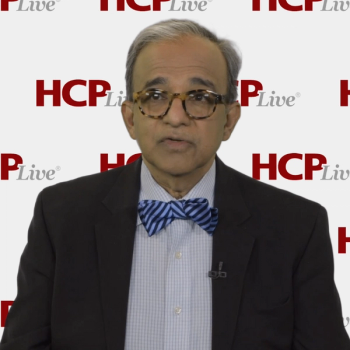
In a recent interview, Kris Kowdley, MD, discusses current data surrounding use of GLP-1 receptor agonists in NAFLD and NASH as well as the prospective role of combination agents.
Logistic regression analysis indicated that higher stages of urine albumin creatine ratio were significantly associated with diabetic retinopathy in patients with T2D and diabetic nephropathy.

A cross-sectional analysis of Medicare and commercial insurer spending suggests the in-state biosimilar production plan could be substantial in savings even after insulin cost rebates.
An analysis of NHANES data from 2009-2020 suggest approximately 75% of people with diabetes in the US were not at the American Diabetes Association-recommended HbA1c target of less than 7%.

Pooling data from the TODAY and SEARCH studies, new research offers an overview of the challenges in access to care and outcomes among adolescents with type 1 and type 2 diabetes

New research from a first-in-human study of a novel procedure involving electroporation of the superficial layer of the mucosa in the small intestine could help eliminate need for insulin in some people with type 2 diabetes.
An analysis of more than 4000 people from a university hospital in Japan details the impact of the COVID-19 pandemic on glycemic control and lipid profiles among people with diabetes.
In this episode, hosts offer their reaction to topline data from the SURMOUNT-2 trial examining tirzepatide for weight management in T2D, the FDA's clearance of the Omnipod GO device, and results of the CLVer trial.
Each month, our editorial staff compiles a recap of the top news in endocrinology from the past month. Our April 2023 month in review features top new studies, FDA approvals, and an overview of news surrounding Abbott readers.
Drs Diana Isaacs and Natalie Bellini emphasize the need for early detection of diabetic kidney disease through the monitoring of cardiometabolic risk factors.
George Bakris, MD, shares best practices for co-management and providing comprehensive care for patients with diabetic kidney disease.
Dr George Bakris reviews the clinical trial data for finerenone and provides insights on treatment selection, including the potential benefits of combination therapy with finerenone and SGLT2 inhibitors, in managing diabetic kidney disease.
Dr George Bakris elaborates on the risk factors, monitoring, treatment objectives, and the impact of diet and exercise in preventing the progression of diabetic kidney disease.

Data from the SURMOUNT-2 trial demonstrate use of tirzepatide 10 mg and 15 mg were associated with mean weight reductions of 13.4% and 15.7%, respectively, with more than 80% of tirzepatide users achieving a body weight reduction of 5% or greater.

Announced on April 25, 2023, the FDA's clearance of the Omnipod GO marks the first-of-its-kind for a basal-only insulin pod and is indicated for use as an insulin delivery device for people with type 2 diabetes aged 18 or older.

Data from the BRAVES trial indicates 70% of patients undergoing metabolic or bariatric surgery with histologically confirmed NASH achieved resolution at 52 weeks.

An analysis of adults with T2D found a higher intake of sugar-sweetened beverages was associated with higher all-cause mortality and CVD incidence, whereas healthier beverage options were inversely associated with all-cause mortality.
Diana Isaacs, PharmD, and Natalie Bellini, DNP, sit down to discuss the implications of increased CGM access through a recent CMS expansion and take a deep dive into the latest Abbott news, including dispelling misconceptions surrounding the recall announcement.

Many effective anti-obesity medications could be manufactured and sold profitably for a low price, with estimated minimum prices up to 20-fold cheaper than current prices in some countries.

A new study leveraging data from 184 countries based on 11 dietary factors provides an overview of the diet attributable burden of type 2 diabetes in the world today.

A cross-sectional analysis of data is offering a snapshot of trends in the treatment of 7 common chronic health conditions among incarcerated populations in the US relative to the general population.
Advertisement
Advertisement
Trending on HCPLive
1
Half-Life vs. Real Life: How Real-World Evidence Is Reframing Wet AMD Treatment
2
FDA Grants Priority Review for Insmed's ARIKAYCE sNDA for MAC Lung Disease
3
When Innovation Builds Clinical Confidence: Evaluating Treatment Options in Hemophilia A
4
The HCPFive: Top News for Healthcare Providers from the Week of 09/13
5