




Type 2 Diabetes
Latest News


Acceptance, Commitment Therapy Program Shows Mixed Results for Type 1 Diabetes Patients
By Tim Smith
Advertisement
Latest Videos

Podcasts

CME Content



























































Advertisement
More News
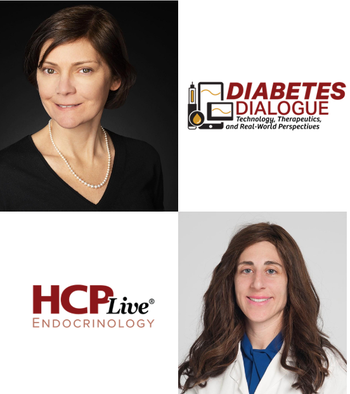
This episode features a discussion on a pair of AID system integrations with the Dexcom G7 CGM system as well as important updates in the diabetes technology portion from the ADA's Standards of Care—2024.
Califf joins HCPLive to share perspective on AI, gene and cell therapy development, COVID-19, food and substance regulation, maternal and infant health, weight loss intervention, and more.

Results from the MOMPOD RCT indicate metformin added to insulin did not reduce the frequency of a composite adverse neonatal outcome in pregnant adults with diabetes.

Multinational data support the safety of drug classes like GLP-1 agonists during early relative to infant risk of major congenital malformations.

Phase 3 data show patients with obesity who maintained tirzepatide from weeks 36 to 88 continued significant weight loss versus patients switched to placebo.
An overview of the journey and significant events of 2023 that have catapulted semaglutide from a type 2 diabetes agent to the topic of discussions among circles across healthcare and beyond.

Brendon Neuen, MBBS, PhD, discusses the results of a study he presented at AHA 2023 estimating the lifetime benefit of combination therapy in patients with type 2 diabetes and albuminuria.

Dhiren Patel, PharmD, and Bob Busch, MD, interview Fatima Cody Stanford, MD, MPH, MPA, an obesity medicine specialist, to examine the cardiovascular (CV) impact of obesity and delve into the potential benefits of newer weight loss medications in mitigating CV risk and heart failure.

Consumers should avoid Dr. Ergin’s SugarMD Advanced Glucose Support due to an increased risk of adverse events including hypoglycemia.

Despite recommendations to consult with ophthalmologists prior to initiating semaglutide, the cardiometabolic drug was not found to be linked to worsened DR outcomes.

New AAO 2023 data suggests drugs like dapagliflozin and empagliflozin may provide greater protection against glaucoma than GLP-1 agonists or DDP-4 inhibitors.

Rajiv Agarwal, MD, MS, provides insight into an analysis from ASN Kidney Week 2023 detailing the effect of early albuminuria reduction on risk of adverse kidney and cardiovascular outcomes in people with T2D and chronic kidney disease.

In our October 2023 endocrinology month in review, our editorial team highlights regulatory updates, pipeline news, and conference data capturing the attention of the field during the month.
In this episode, hosts discuss the FDA clearance of the Omnipod 5 App for iPhones and a pair of studies examining use of automated insulin delivery systems.

Experts discuss the intricate relationship between diabetes, kidney disease, and cardiovascular function and explore the evolving landscape of therapies with cardiorenal benefits.

Dhiren Patel, PharmD, and Bob Busch, MD, interview Fatima Cody Stanford, MD, MPH, MPA, an obesity medicine specialist, to examine the cardiovascular (CV) impact of obesity and delve into the potential benefits of newer weight loss medications in mitigating CV risk and heart failure.
The approval was announced by Zydus Life Sciences Limited in a press release on October 20, 2023.

Exposure to maternal diabetes during pregnancy is associated with an increased risk of depression and anxiety in offspring later in life, according to a new study.

Despite access to care and health insurance, Hispanic and non-Hispanic Black individuals with diabetes experience poorer glycemic control compared to non-Hispanic White counterparts, revealing persistent racial disparities in healthcare.
Dhiren Patel, PharmD, and Bob Busch, MD, interview Fatima Cody Stanford, MD, MPH, MPA, an obesity medicine specialist, to examine the cardiovascular (CV) impact of obesity and delve into the potential benefits of newer weight loss medications in mitigating CV risk and heart failure.

The risk of diabetic retinopathy appears considerably lower in SGLT2 inhibitor users than in DPP4 inhibitor users among patients with type 2 diabetes.

On October 10, 2023, Novo Nordisk announced they would be stopping the FLOW trial, which examined the effects of semaglutide 1.0 mg on kidney outcomes in type 2 diabetes, due to early efficacy based on an interim analysis of the trial.

In this episode of MEDcast, the expert panelists examine some underutilized therapies in type 2 diabetes (T2D) and explore their potential as effective treatment choices for many patients.

GLP-1 agonists for weight loss increased the risk of pancreatitis, gastroparesis, and bowel obstruction compared with the use of bupropion-naltrexone.

Annualized costs for the 24-month study period were highest among patients with both NASH and T2D, highlighting the incremental cost of adding an additional diagnosis for comorbid NASH or T2D.
Advertisement
Advertisement
Trending on HCPLive
1
Half-Life vs. Real Life: How Real-World Evidence Is Reframing Wet AMD Treatment
2
FDA Grants Priority Review for Insmed's ARIKAYCE sNDA for MAC Lung Disease
3
When Innovation Builds Clinical Confidence: Evaluating Treatment Options in Hemophilia A
4
The HCPFive: Top News for Healthcare Providers from the Week of 09/13
5