





Type 2 Diabetes
Latest News
Advertisement
Latest Videos







CME Content




























































Advertisement
More News

An expert endocrine clinical pharmacist and nurse practitioner discuss clinical trial data on how inhaled insulin affects glucose management in T1D and T2D.

An analysis of a national health insurance database provides insight into the risk of total knee or total hip replacement based on use of metformin among a cohort of older adults.

Using data from Medicare Advantage beneficiaries from 2011-2020, investigators provide an overview of trends of severe hyperglycemic- and hypoglycemic-related hospitalizations and emergency department visits among those with type 1 or type 2 diabetes.


A systematic review and meta-analysis of studies reporting the pooled prevalence of obesity in pediatric type 2 diabetes suggest 75% of these patients had obesity.
Reflections on a century's worth of developments toward a major breakthrough in T1D this year.

In this episode of Diabetes Dialogue, Jane Jeffrie Seley, DNP, MPH, a member of the writing committee for the ADA's Standards of Care in Diabetes—2023, joins the podcast to discuss pertinent updates in the sections of the document discussing inpatient management of diabetes within the document.

Drs Diana Isaacs and Natalie Bellini share the FDA-approved patient populations for inhaled insulin use to manage diabetes, as well as who would not be a good candidate.

Experts examine the use of Technosphere insulin, how it is delivered to the body, and the qualities of an ideal rapid-acting insulin analog in type 1 and type 2 diabetes.
Published on December 12, the latest Standards of Care in Diabetes from the American Diabetes Association contain more than 100 new updates related to management and diagnosis of all types of diabetes.
Eli Lilly and Company and Boehringer Ingelheim announced their SGLT2 inhibitor, empagliflozin, was associated with statistically significant reductions in HbA1c relative to placebo therapy among a population of pediatric patients with type 2 diabetes in the DINAMO trial.
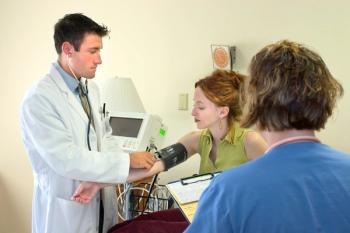
Data from the BCQR-T1D study, which was funded by the National Institutes of Health, suggest use of the dopamine receptor agonist bromocriptine was associated with improved blood pressure and arterial stiffness after 4 weeks of treatment in youth with type 1 diabetes.
Drs Diana Isaacs and Natalie Bellini discuss the limitations of injectable insulins in achieving time-in-range and glucose targets in type 1 and type 2 diabetes.
Expert health care practitioners review the different types of insulin formulations available for people with T1D or T2D, including regular and rapid-acting.
Drs Diana Isaacs and Natalie Bellini discuss selecting the right insulin delivery method for patients with diabetes, and the challenges that arise with insulin injectables.
Drs Diana Isaacs and Natalie Bellini provide an overview of the types of insulin delivery systems used in type 1 diabetes (T1D) and type 2 diabetes (T2D), including injections, patches, and inhalable insulin.

An analysis of more than 800k women in Canada provides insight into the apparent increase in risk of incident cardiovascular disease associated with co-occurrence of gestational diabetes and gestational hypertensive disorders in pregnant women.
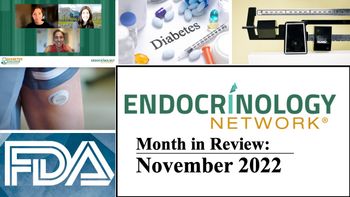
The November 2022 endocrine month in review features coverage of the FDA’s approval of teplizumab, new data related to use of GLP-1 receptor agonists, and a trio of stories on topics pertaining to diabetes technology.

An analysis of data from the Health Professionals Follow-Up Study suggests incorporating weight training into physical activity regimens was associated with reduced mortality in patients with or without type 2 diabetes, with the association in those without diabetes present even after adjustment for aerobic activity levels.
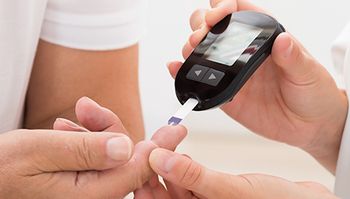
Using data from the UK Biobank study, a team of investigators from the University of Exeter determined undiagnosed cases of type 2 diabetes could be identified more than 2 years earlier if universal screening programs were implemented for middle-aged adults.

An analysis of data from a pair of studies examining cardiovascular risk in individuals from countries in Europe provides insight into an apparent increase in the likelihood of developing type 2 diabetes among people with a history of exposure to antibiotics.

An analysis of data from the EPIC study provides insight into an apparent increase in risk of having an advanced stage cancer at time of diagnosis for patients with cardiometabolic diseases compared to their counterparts without cardiometabolic diseases.

In this special edition episode of Diabetes Dialogue: Technology, Therapeutics, & Real-World Perspectives, hosts Diana Isaacs, PharmD, and Natalie Bellini, DNP, break down what the approval of teplizumab means for type 1 diabetes. During the episode, hosts take a deep dive into type 1 diabetes staging and hypothesize around the role of CDCES in educating primary care and other specialties to optimize the potential of teplizumab.

On November 17, the US FDA announced the approval of teplizumab (Tzield), which is administered through IV infusion once daily for 14 consecutive days, for delaying the onset of stage 3 type 1 diabetes in adults and pediatric patients 8 years and older who currently have stage 2 type 1 diabetes.

A study published in Diabetologia discovered that individuals who are exposed to high light pollution while they sleep show a greater risk of developing type 2 diabetes.
Advertisement
Advertisement
Trending on HCPLive
1
Half-Life vs. Real Life: How Real-World Evidence Is Reframing Wet AMD Treatment
2
FDA Grants Priority Review for Insmed's ARIKAYCE sNDA for MAC Lung Disease
3
When Innovation Builds Clinical Confidence: Evaluating Treatment Options in Hemophilia A
4
The HCPFive: Top News for Healthcare Providers from the Week of 09/13
5