





Type 2 Diabetes
Latest News
Advertisement
Latest Videos
CME Content




























































Advertisement
More News
Results from a new study highlighted the importance of achieving normal, stable glucose levels for individuals with type 2 diabetes.
In this edition of Diabetes Dialogue: Therapeutics, Technology, & Real-World Perspectives, which was filmed on-site at ADCES 22, hosts Diana Isaacs, PharmD, and Natalie Bellini, DNP, sit down with Jennifer Clements, PharmD, following her sessions to discuss her work, her upcoming research interests, and ongoing trends in the field of diabetes management.

The participants who initiated insulin after implementation achieved significantly higher doses at 36 weeks.

Glargine and detemir insulin were modestly associated with a reduced risk of MACE compared to neutral protamine Hagedorn insulin.

Participants in the least deprived group had one quarter the odds of no change/increase in mean HbA1c compared with the most deprived group.
A conversation on advancements in diabetes, the rising cost of insulin, and advice regarding disease management.

26 weeks of treatment with empagliflozin reduced the myocardial glucose metabolic rate by 45.1% in patients with type 2 diabetes.
Gary Scheiner, MS, CDE, discusses updates in diabetes technologies from the ADCES annual meeting, the role of CDES in optimizing uptake and use of new technology, and the ADCES's push to advance diabetes management.
In this episode, the hosts Diana Isaacs, PharmD, and Natalie Bellini, DNP, sit down with ADCES 2022 Diabetes Care and Education Specialist of the Year Anastasia Albanese-O’Neill, PhD, to discuss her inspiration, her work within the field, and insight into the project she has decided to focus on during her year as ADCES Diabetes Care and Education Specialist of the Year.
Gary Scheiner, MS, CDE, discusses themes and topics of discussion at ADCES 22.
In this special edition ADCES 22 episode of Diabetes Dialogue, Diana Isaacs, PharmD, and Natalie Bellini, DNP, are joined by David Walton, CEO of the T1D Exchange, who takes our hosts on a deep dive into the history of the organization, what it is doing right now to improve patient care, and how it expects to grow and improve management of type 1 diabetes into the future.
In this special edition of Diabetes Dialogue recorded on-site at ADCES 22, our hosts are joined by Korey Hood, PhD, a staff psychologist and professor at Stanford University. Founder of DiabetesWise and DiabetesWisePro, Hood talks to Diana Isaacs, PharmD, and Natalie Bellini, DNP, about his efforts and how the online resources are pushing care forward.

After leading a session on the topic at ADCES, Sara Reece, PharmD, sat down to discuss the latest updates in chronic kidney disease management among patients with type 2 diabetes.
Scott Kahan, MD, MPH, discusses the concept of weight stigma, its historical impact, and avenues for confronting weight stigma that currently exists in clinical care settings.

A study presented at ADCES 22 details opinions of certified diabetes care and education specialists toward the POGO Automatic blood glucose monitoring system.

A presentation by Christine Schumacher, PharmD, and Elizabeth Van Dril, PharmD, at ADCES examines the current state of heart failure management in patients with diabetes.

Called the DiaBeats algorithm, new research suggests leveraging the machine learning-based algorithm, combined with ECG recordings, could help predict increased risk of developing prediabetes and type 2 diabetes.

New research suggests there was a 53% greater 5-year risk of cardiovascular disease in men with type 2 diabetes who received a GnRH agonist for prostate cancer compared with their counterparts who did not receive GnRH agonists.

The screening of more than 50,000 youth patients in diverse populations of Colorado and Bavaria, Germany reported no association between infection and T1D.

Data from a 14-week randomized clinical trial suggests adherence to a time-restricted diet was associated with significant differences in weight loss and improvements in blood pressure compared to a typical diet.
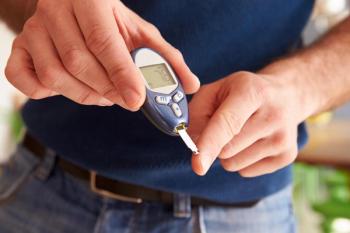
Dr. Gregory Weiss provides perspective on a recent study examining associations between serum ceramide levels and the likelihood of achieving normoglycemia among patients who have undergone RYGB.
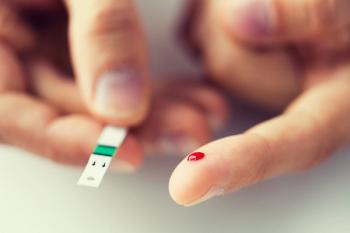
An analysis of more than 20 years of follow-up data from more than 4000 patients in the Malmö Diet and Cancer Study shed light on associations between prostasin concentrations and risk of developing diabetes and cancer mortality.

A retrospective study provides insight into the ability of CGM technology to improve glycemic control in in-hospital settings and, potentially, reduce the risk of spreading infectious diseases.
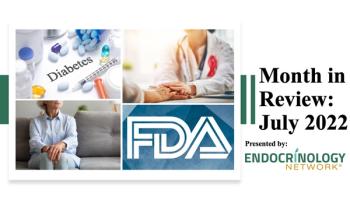
Our endocrinology month in review spotlights the most popular content from the past month. The top content from July includes hormone therapy guidance from NAMS, a comparison of management practices among Medicare beneficiaries, and a recap of the top approvals from the first half of 2022.

The highest adjusted probability of CGM use occurred in middle adulthood, while the probability of CGM utilization decreased with increasing age in older adulthood.
Advertisement
Advertisement
Trending on HCPLive
1
Half-Life vs. Real Life: How Real-World Evidence Is Reframing Wet AMD Treatment
2
FDA Grants Priority Review for Insmed's ARIKAYCE sNDA for MAC Lung Disease
3
When Innovation Builds Clinical Confidence: Evaluating Treatment Options in Hemophilia A
4
The HCPFive: Top News for Healthcare Providers from the Week of 09/13
5