



Type 2 Diabetes
Latest News
Advertisement
Latest Videos






CME Content




























































Advertisement
More News

Jennifer Green, MD, discusses the benefit of relatively new innovations including continuous glucose monitoring and smart insulin pens.
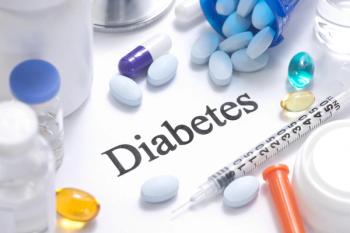
Data from a major trial detail the cardiorenal benefits of dapagliflozin use among patients with type 2 diabetes based on use of background cardiovascular medications.
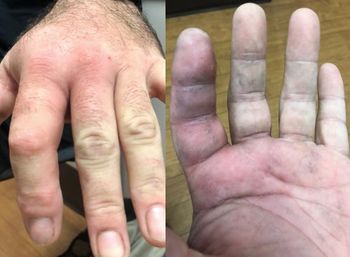
Our latest case report from Brady Pregerson, MD, features a man in his 30s with a history of type 1 diabetes mellitus on insulin presenting to the emergency department for left index finger pain and swelling. Can you determine the correct diagnosis?

During follow-up, 2.6% of the patients were diagnosed with depression, while 32.1% were treated with antidepressants.

The Duke expert reviews key strategies for starting and continuing care with the pivotal glycemic control agent.

An analysis of data from more than 450,000 patients in the UK details an 81% increase in the net incidence of diabetes in the first 4 weeks after contracting COVID-19, which remained elevated through weeks 5-12, compared to those who did not contract COVID-19.

Data show metformin was associated with reduced odds of developing AMD, with low to moderate doses having the greatest potential benefit.

An analysis comparing prescribing practices for Medicare Advantage beneficiaries against those in fee-for-service programs suggests Advantage patients were more likely to receive ACE inhibitors or ARBs, but 20% less likely to receive GLP-1 RAs and 9% less likely to receive SGLT2 inhibitors.

An analysis from investigators in Sweden suggests patients with acromegaly with diabetes had a 58% greater risk of overall mortality and a more than 2-fold increase in risk of cardiovascular mortality compared to their counterparts without diabetes.

The Optimal screening ages for two measurements were 2 years and 6 years for the diagnosis of clinical type 1 diabetes.

There was no association found between ever using metformin and the risk of either IBD, Crohn’s disease, or ulcerative colitis.

An analysis of nationally representative data from NHANES cycles from 1999-2000 through 2017-2018 suggests just 6.8% of US adults had optimal cardiometabolic health.

New data from a study performed by investigators at UVA Health details the accuracy of blood glucose measurements with factory-calibrated CGMs in patients undergoing dialysis.

With the first 6 months of 2022 behind us, Endocrinology Network has compiled a list of the top approvals in diabetes care from the first half of the year. The list includes multiple approvals for CGM, a first-in-class agent, and an increased dose of a popular GLP-1 RA.

Varenicline was efficacious at weeks 12, 24, and 52 of the trial compared with placebo in a smoking cessation program.
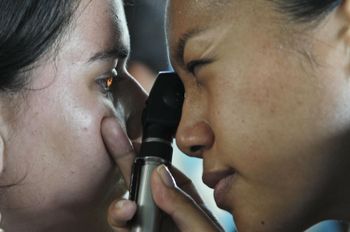
An analysis from Duke University School of Medicine suggests few PCPs were performing fundoscopy to identify diabetic retinopathy in patients with type 2 diabetes and even those who did were often accurate just 63% of the time.

Dr. Jennifer Green led a panel in discussing new treatments and topics in diabetes care.

After using eye care examination results as a reference standard, the accuracy of PCP fundoscopic examination was 62.7%.


At HiD 2022, Dr. Budoff discusses the use and utility of coronary calcium scoring for risk stratification

Dr. Martin explores the explosion of new consumer technologies and how to close the gap in disparities between data collection and using the data in practice.

Dr. Ray discusses the impact of current practice on cholesterol goal attainment and what more needs to be done.

Dr. Green discusses the potential of combination therapy to reduce cardiovascular and kidney outcomes in people with type 2 diabetes.

Dr. Joseph discusses modalities to address cardiometabolic disease in individuals around the country, from lifestyle management to policy-level changes.

In this episode, Diana Isaacs, PharmD, and Natalie Bellini, DNP, discuss their experiences with prescribing tirzepatide (Mounjaro) and what issues patients have encountered, the prospect of new biosimilar insulins that may be coming to the market, and the misdiagnosis of type 1 diabetes in adult patients.
Advertisement
Advertisement
Trending on HCPLive
1
Half-Life vs. Real Life: How Real-World Evidence Is Reframing Wet AMD Treatment
2
FDA Grants Priority Review for Insmed's ARIKAYCE sNDA for MAC Lung Disease
3
When Innovation Builds Clinical Confidence: Evaluating Treatment Options in Hemophilia A
4
The HCPFive: Top News for Healthcare Providers from the Week of 09/13
5