





Type 2 Diabetes
Latest News
Advertisement
Latest Videos






CME Content




























































Advertisement
More News

A 12-month quality improvement project provides insight into the effects of using CGM and supplemental dietary counseling on glycemic control in adult T2D patients with suboptimal glycemic control.

From 2014 to 2020, there was significant increase in the frequency of preeclampsia or gestational hypertension, transfusion, preterm birth <37 weeks, and NICU admission.

A single-arm, open-label study provides insight into the effects of switching from multiple daily insulin injections to use of an advanced hybrid closed loop system on glycemic control in pediatric patients with type 1 diabetes.

A diet composed of healthy, plant-based foods is associated with a lower risk of developing type 2 diabetes, according to a recent study from the Harvard T.H. Chan School of Public Health.
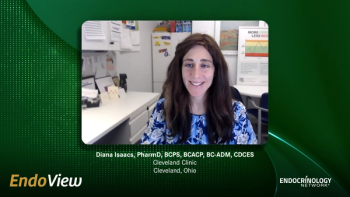
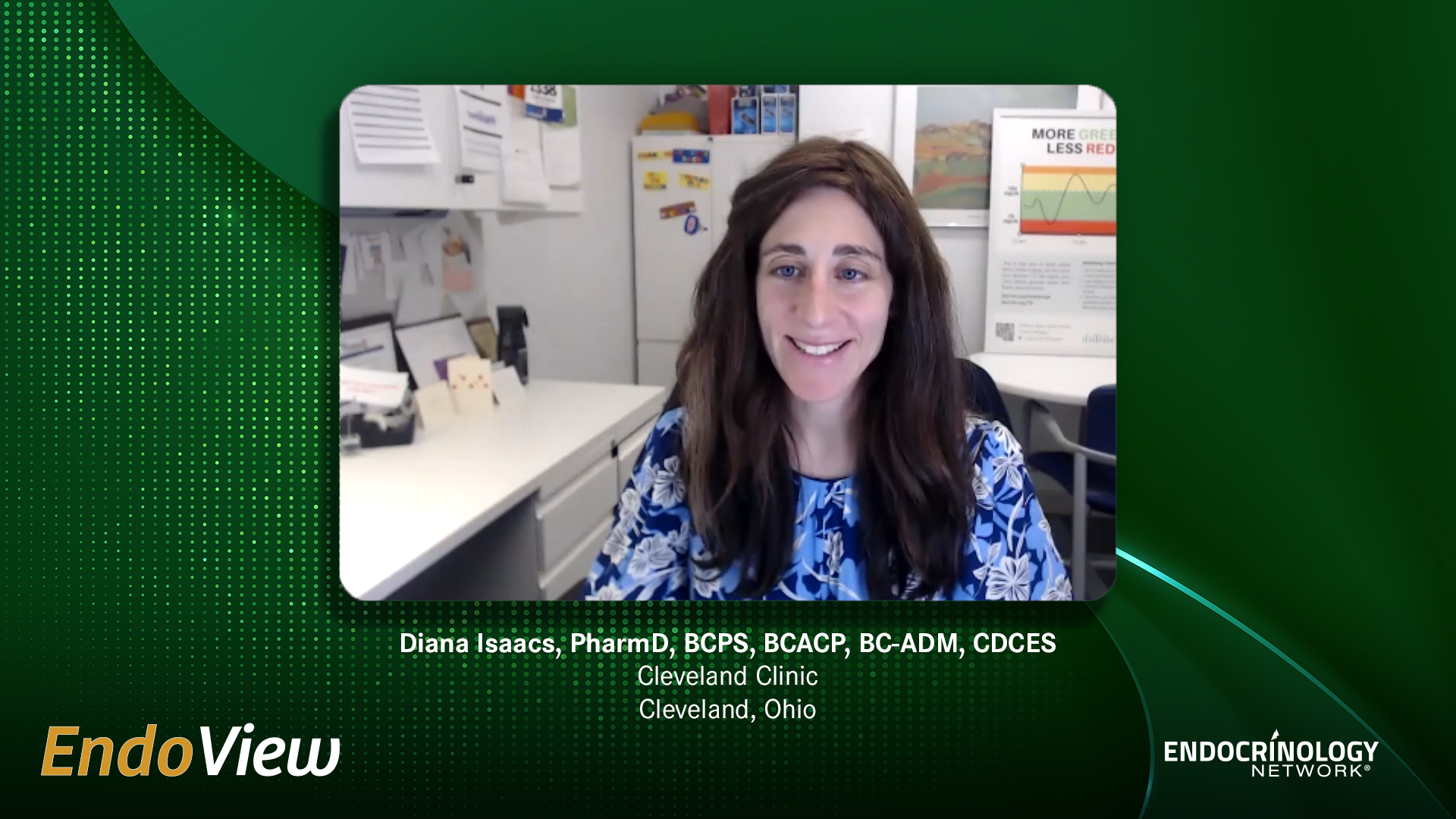
Dr Diana Isaacs reviews the significance of Eversense’s recent approval for a 180-day indication and the potential role of Dexcom G7 in the diabetes treatment landscape.
Diana Isaacs, PharmD, BCPS, BCACP, BC-ADM, CDCES, comments on the accuracy and selection of CGMs in treating diabetes and shares insight on the evolution of CGM systems over the past year.

The higher time at BP target ranged from 64% in the triple pill group to 43% in the usual care group

Using a trio of diet indices, investigators provide insight into the relationship between adherence to plant-based diets and metabolites linked to decreased risk of type 2 diabetes.

Data from an analysis of a SWAN substudy suggests increased exposure to PFAS was linked to an increased risk of incident diabetes during midlife among women.

The study shows fenofibrate use was associated with a lower risk of progression to PDR and VTDR, but not DME alone.

The protocol appeared safe, with no associated increases in the incidence of hypoglycemic events during hospitalization or 30-day mortality.

An analysis of data from 7 US medical centers details disparities in rate of diabetic ketoacidosis among non-Hispanic Black patients compared to their White counterparts both during and before the COVID-19 pandemic.

A prespecified analysis of FIDELITY presented at ACC.22 details the effects of finerenone on reducing cardiovascular risk based on whether or not patients had a history of atherosclerotic cardiovascular disease at baseline.

The prevalence of NAFLD in the pediatric population has increased in recent years.
An expert in diabetes management discusses the role of CGMs in treating diabetes during the COVID-19 pandemic and the benefits of using CGM in telemedicine.
Dr Diana Isaacs provides insight on patient factors to consider for CGM use in diabetes treatment.
Diana Isaacs, PharmD, BCPS, BCACP, BC-ADM, CDCES, reviews the advantages of CGMs in treating type 1 and type 2 diabetes and how CGMs can improve glycemic control and quality of life in patients.
Dr. Cheryl Marco offers unique insights into diabetes management through proper education and encouragement of insulin therapy and dietary changes.

A prespecified analysis of FIDELITY details the effects of finerenone against placebo therapy for reducing the risk of cardiovascular events based on history of ASCVD among patients with type 2 diabetes and chronic kidney disease.
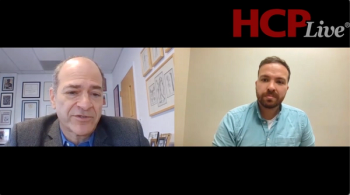
Study co-chair Paul Ridker, MD, shares details behind the new global assessment of the IL-6 inhibitor for patients with atherosclerosis and CKD.

A study from Intermountain Healthcare provides insight into the tolerability and clinical impact and tolerability of initiating combination therapy with both SGLT2 inhibitors and GLP-1 RAs compared against monotherapy with either agent.

Dr. Gregory Weiss discusses prediabetes screening in the US as a method help quell the growing diabetes epidemic in younger populations.

Deepak Bhatt, MD, MPH, breaks down data from the SCORED trial presented at ACC.22, which demonstrated sotagliflozin provided significant benefit in terms of reducing total MACE, total MI, and total stroke, regardless of whether a patient had a history of cardiovascular disease.

Dr. Butler discusses findings from the FIDELITY analyses on the consistent benefits of finerenone, regardless of ASCVD history in patients with CKD and T2D.

A discussion into broadening the findings of the SuperWIN trial and its potential effects on a larger, more at-risk population.
Advertisement
Advertisement
Trending on HCPLive
1
Half-Life vs. Real Life: How Real-World Evidence Is Reframing Wet AMD Treatment
2
FDA Grants Priority Review for Insmed's ARIKAYCE sNDA for MAC Lung Disease
3
When Innovation Builds Clinical Confidence: Evaluating Treatment Options in Hemophilia A
4
The HCPFive: Top News for Healthcare Providers from the Week of 09/13
5