





Type 2 Diabetes
Latest News
Advertisement
Latest Videos









CME Content




























































Advertisement
More News

A higher percentages of patients treated with tirzepatide had HbA1c less than 7% versus those treated with placebo (85%-90% versus 34%).

Data from the SURPASS-5 trial demonstrate the safety and efficacy of multiple tirzepatide doses as an add-on therapy to titrated insulin glargine for glycemic control and weight loss in patients with type 2 diabetes.

A recent analysis of data is providing insight into the use of aspirin for preeclampsia prevention among women with prepregnancy obesity, hypertension, or diabetes.
Comparing SGLT2 inhibitor and GLP-1 RA use versus DPP-4 inhibitors in patients with type 2 diabetes, investigators found use of newer glycemic agents could provide protection against NAFLD in addition to their cardiorenal protective benefits.

Cardiovascular disease is the leading cause of death for women.

Rates of aspirin use for preeclampsia prophylaxis were observed in a minority of women with risk factors including pre-pregnancy diabetes, obesity, or chronic hypertension.

Announced on Jan. 28, the Omnipod 5 AID becomes the first tubeless automated insulin delivery system with the ability to integrate with the Dexcom G6 continuous glucose Monitoring System and a compatible smartphone to automatically adjust insulin and protect against glycemic events

An analysis of data from the Normative Aging Study provides insight into associations of neuroticism and worry with risk of cardiometabolic disorders in men over a 40-year period.

There was not an association between sleep duration and metabolic diseases found in men.
An analysis of data from more than 135k patients with type 1 and type 2 diabetes indicates the age-adjusted rate of chronic kidney disease was greater in type 1 diabetes and also sheds light on the rising rate of obesity in type 1 diabetes.

An increase of 57% in new-onset type 1 diabetes admissions was observed from March 2020 - 2021.

Data from an analysis of the ALSPAC cohort suggests arterial stiffness in adolescence could cause insulin resistance and dyslipidemia in young adulthood.

A comparative effectiveness study of Medicare claims data suggests gastric bypass surgery was associated with a greater rate of discontinuation of medications for obesity-related comorbidities than sleeve gastrectomy.

The largest study of its kind to date provides evidence suggesting a causal relationship between cfPWV and cIMT in adolescence with increased insulin resistance and dyslipidemia in young adulthood.
Out-of-pocket costs for noninsulin medications were 84.4% to 95.2% lower in Medicaid than in Marketplace plans, while out-of-pocket costs for insulin were 76.7% to 94.7% lower.

A video interview with Joshua Joseph, MD, MPH, discussing a recent scientific statement from the American Heart Association on achieving optimal cardiovascular health management in patients with type 2 diabetes.

Results of a study examining predictors of arterial stiffness in type 1 diabetes concluded age, sex, and flow-mediated dilation were uniquely associated with increased arterial stiffness.
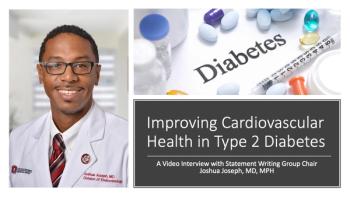
Joshua Joseph, MD, MPH, discusses the onus behind a recent AHA scientific statement outlining pitfalls and contemporary management goals for the cardiovascular health of patients with type 2 diabetes.
A monocentric randomized crossover study of 16 subjects provides insight into the difference in glycemic control, device acceptance, and psychological outcomes based on use of implantable versus transcutaneous.

Results of a systematic review and meta-analysis detail the reduction in fear of hypoglycemia and general improvement in satisfaction associated with use of continuous glucose monitoring in patients with type 1 diabetes.
A meta-analysis including 11 studies with nearly 14k patients is providing insight into associations between time in range and risk of microvascular complications in patients with type 2 diabetes.
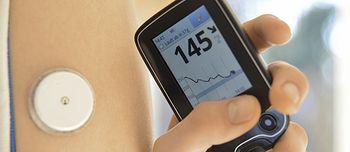
Data from the MOBILE study detail the potential impact of continuous glucose monitoring on HbA1c level compared with blood glucose meter monitoring in a population of patients with type 2 diabetes treated with basal insulin without prandial insulin.

A cross-sectional study of 83 patients with diabetes of the exocrine pancreas provides insight into the potential benefits of continuous glucose monitoring among these patients.

A meta-analysis of observational studies provides clinicians with a comprehensive overview of the impact of lockdown measures during the COVID-19 pandemic on glucose control in patients with type 1 diabetes.
New research from the University of Virginia Health System describes factors associated with increased arterial stiffness from a cohort of adolescents and young adults with type 1 diabetes.
Advertisement
Advertisement
Trending on HCPLive
1
Half-Life vs. Real Life: How Real-World Evidence Is Reframing Wet AMD Treatment
2
FDA Grants Priority Review for Insmed's ARIKAYCE sNDA for MAC Lung Disease
3
When Innovation Builds Clinical Confidence: Evaluating Treatment Options in Hemophilia A
4
The HCPFive: Top News for Healthcare Providers from the Week of 09/13
5