





Type 2 Diabetes
Latest News
Advertisement
Latest Videos









CME Content




























































Advertisement
More News

Dr. Serge Jabbour led the panel in discussing emerging treatments for type 2 diabetes.
A population-based cohort study with data from 1.9 million patients from South Korean suggests a diagnosis of NAFLD was associated with an increased risk of severe hypoglycemic events among patients with type 2 diabetes.

Dr. Granger discusses the current underuse of these agents and the steps cardiologists need to take to increase prescription rates and uptake for patients.

Dr. Pagidipati highlights her own approach to weight management, from lifestyle changes, diet, and medication to metabolic procedures.

From a couple of novel heart failure treatments to a promising dual receptor agonist, here's a rundown of expected pipeline news this year in heart disease.

Multiple organizations, including the American Diabetes Association and the Endocrine Society, have released statements backing President Biden's call for insulin co-pay caps during his State of the Union Address on March 1.

Announced on March 1, the Breakthrough Device Designation from the FDA allows for use of Dexcom CGM technology in in-hospital settings and at other healthcare facilities.

General progress has been made in decreasing diabetes mortality at ages younger than 25 years, but challenges remain in low and low-middle SDI countries.

Pupillary dilation and manual eyelid lifting were shown to substantially increase visible retinal area and PLL-HMA detection using fully automated algorithms.
A retrospective review with nearly a year of follow-up indicates nearly 40% of newly diagnosed diabetes at COVID-19 admission regressed to prediabetes or normoglycemia at follow-up, suggesting stress hyperglycemia induced by COVID-19-related acute stress could be driving rates of diagnosis.
A meta-analysis of studies assessing presence of pathological eating behaviors and risk of diabetic retinopathy was associated with a more than 3-fold increase in risk of retinopathy.

Obesity was added to the list of risk factors for influenza in 2009.
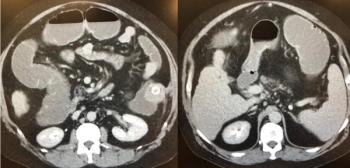
The latest case report from Brady Pregerson, MD, features a man in his 60s with a history of diabetes and cirrhosis presenting with 2 weeks of right upper quadrant pain with constipation and 2 days of vomiting. Can you determine the correct diagnosis?

The estimated mean change in body weight from baseline to week 68 was -13.2% in the semaglutide 2.4 mg group versus -2.1% in the placebo group.
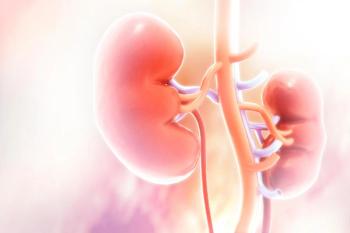
Data from an analysis of more than 150,000 patients suggests increased BMI was associated with more than a 3-fold increase in odds of diabetic nephropathy in patients with type 2 diabetes, but this effect was more apparent in women who experienced a 14-fold increase in odds of diabetic nephropathy.
Announced on Feb. 18, the t:connect mobile app, which pairs with the t:slim X2 insulin pump, is the first-ever FDA-cleared smartphone application capable of initiating insulin delivery on both iOS and Android operating systems, according to Tandem Diabetes Care.

More than 1-in-3 patients with T2D and ASCVD in a large cohort were receiving none of the 3 evidence-based therapies associated with significant cardiovascular benefit, including lipid-, blood pressure-, and glucose-lowering pharmacotherapy.
Diana Isaacs, PharmD, provides insight and perspective into the current state of the fight against diabetes after a recent CDC report provides data demonstrating the death toll attributable to diabetes reached 100,000 in 2021.

Higher variability of adiposity indices was associated with significantly increased risk of CVD outcomes in standard of care, but not in the intensive lifestyle intervention group.

A retrospective cohort study suggests users of DOACs were at a 16% lower risk of developing macrovascular complications, a 21% lower risk of microvascular complications, and a 22% lower risk of mortality compared with warfarin users among a population of patients with diabetes and atrial fibrillation.

Data show fewer than 1 in 20 patients with diabetes and ASCVD were prescribed a high-intensity statin, either an ACEI or ARB, and either an SGLT2I and/or a GLP-1RA.

The percentage of time with glucose level in the target range was 8.7 percentage points higher during the closed-loop period compared to control.
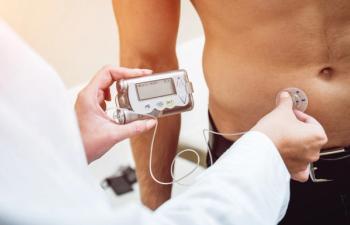
Results of a randomized, crossover trial indicate closed-loop control could improve glucose control versus standard insulin therapy in patients with type 2 diabetes requiring dialysis.

An economic evaluation using a microsimulation model comparing Roux-en-Y gastric bypass, sleeve gastrectomy, and medical therapy for severe obesity in patients with type 2 diabetes suggests gastric bypass was the most cost-effective approach.

A systematic review and meta-analysis suggest approximately 20% of girls with type 2 diabetes also had polycystic ovary syndrome.
Advertisement
Advertisement
Trending on HCPLive
1
Half-Life vs. Real Life: How Real-World Evidence Is Reframing Wet AMD Treatment
2
FDA Grants Priority Review for Insmed's ARIKAYCE sNDA for MAC Lung Disease
3
When Innovation Builds Clinical Confidence: Evaluating Treatment Options in Hemophilia A
4
The HCPFive: Top News for Healthcare Providers from the Week of 09/13
5