





Type 2 Diabetes
Latest News
Advertisement
Latest Videos





CME Content




























































Advertisement
More News
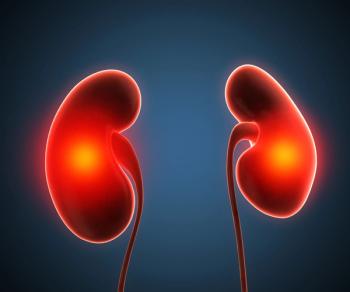
An analysis of 20 randomized clinical trials comparing empagliflozin against placebo therapy in patients with type 2 diabetes suggests use of the SGLT2 inhibitor could reduce risk of developing kidney stones by nearly 40%.

An analysis of the SEARCH for Youth in Diabetes presented at ENDO 2022 details historic and contemporary disparities in insulin pump use for pediatric type 1 diabetes based on racial/ethnic background, household income, and insurance type.

On June 12, the Endocrine Society released new guidance for management of hyperglycemia in adult patients in noncritical care settings, which are cosponsored by the AACE, ADA, ADCES, and ESE.

An analysis of the National Inpatient Sample at ENDO 2022 provides insight into the risk of myocardial infarction associated with prediabetes compared against normoglycemic patients.
In the fourth and final episode from ADA 2022, hosts Diana Isaacs, PharmD, and Natalie Bellini, DNP, take a deep dive into the meeting from their perspectives as a clinical pharmacy specialist and a nurse practitioner, including their picks for the most exciting advances in diabetes technology to come from the year’s largest diabetes meeting.
In the third special edition episode of Diabetes Dialogue: Therapeutics, Technology, & Real-World Perspectives from ADA 2022, Jasmine Gonzalvo, PharmD, joins hosts Diana Isaacs, PharmD, and Natalie Bellini, DNP, to discuss prevailing barriers in diabetes management, including access to new pharmacologic agents as well as newer diabetes technologies.
In our second special edition episode of Diabetes Dialogue: Therapeutics, Technology, & Real-World Perspectives from ADA 2022, hosts Drs. Diana Isaacs and Natalie Bellini are joined by Gary Scheiner, MS, CDE. Clinical director of Integrated Diabetes Services, author of multiple books, including Think Like a Pancreas: A Practical Guide to Managing Diabetes with Insulin, and former Diabetes Educator of the Year, Scheiner joins Diabetes Dialogue to provide a deep dive into the largest diabetes meeting of the year from the view of a diabetes care and education specialist.

Patients with diabetic retinopathy showed significantly higher updated first-year HbA1c and at follow-up compared to those free from DR.
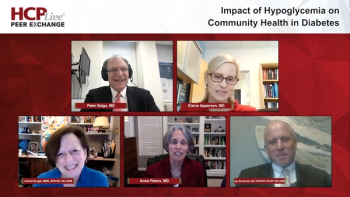
Panelists consider the importance of long-term approaches to monitoring hypoglycemic episodes and discuss the role of education and awareness, patient questionnaires, and effective communication with physicians.

A higher percentage of participants in the pooled dulaglutide group had a glycated hemoglobin level of <7.0% than the placebo group at week 26 of the AWARD-PEDS trial.
Key thought leaders in endocrinology review different signs and symptoms of hypoglycemia across vulnerable patient populations and discuss factors that may impact the pharmacologic management of blood glucose levels.

The late-breaking data show SGLT2is are underutilized in patients with heart failure with or without type 2 diabetes despite guideline recommendations.

Eli Lilly and Company announced tirzepatide (Mounjaro) is now available in US pharmacies. We sat down with SURPASS-2 principal investigator Juan Frias, MD, at ADA 2022 and got his perspective on the potential of tirzepatide and what hesitancies clinicians may have related to the prescription of the dual GIP/GLP-1 receptor agonist.
Katherine Sauder, PhD, provides perspective on an ADA 2022 study she led examining racial/ethnic disparities in arterial stiffness among youths with type 1 diabetes in the US.

The findings are in contrast to previous research that suggests an inverse relationship between moderate-to-vigorous physical activity and HbA1c, TIR.
In the first of 4 special edition ADA 2022 episodes, hosts Drs. Diana Isaacs and Natalie Bellini take on the role of interviewers and discuss CGM uptake in primary care with Drs. Sean and Tamara Oser. Later in the episode, the pair provide perspective on their experiences with Beta Bionics's Insulin-Only Bionic Pancreas.
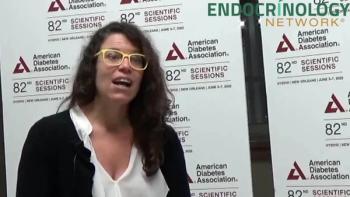
In an interview from ADA 2022, Alaina Vidmar, MD, discusses a study she led examining trends in diagnosis of type 2 diabetes among youth in the US using a database with information on 86 million patients.

Katherine Sauder, PhD, discusses a study she presented at ADA 2022 examining trends in age at diagnosis among younger patients with type 2 diabetes in the US from the landmark SEARCH study.
After new data from the Diabetes Prevention Program Outcomes Study suggested neither metformin nor lifestyle intervention addressed the cardiovascular risk in patients with prediabetes, we asked experts at ADA 2022 if it was time to rethink metformin as first-line therapy in type 2 diabetes.

Although typically associated with an increased risk of type 2 diabetes, new research from Israel presented at ADA 2022 suggests increased BMI in adolescence was associated with an increased risk of new-onset type 1 diabetes in young adulthood.

EMPRISE: Empagliflozin Bests GLP-1 RAs, DPP-4 Inhibitors for Reducing Heart Failure Hospitalizations
A 5-year, real-world study comparing the safety and efficacy of empagliflozin against other glucose-lowering agents, EMPRISE suggests empagliflozin was associated with relative risk reductions for heart failure hospitalization greater than 50% compared with DPP-4 inhibitors and greater than 30% compared with GLP-1 receptor agonists.

The mean time below range following exercise sessions was significantly lower with IGlar U300 compared to IDEG at the 100% dose.

Hiddo Heerspink, PharmD, PhD, discusses a SURPASS-4 analysis examining kidney outcomes among patients receiving tirzepatide vs insulin glargine and provides perspective on the next steps for research as well as education.

At ADA 2022, Endocrinology Network sat down with Lindsay Mayberry, PhD, to discuss a pair of studies she presented examining trends in CGM uptake and correlates associated with increased uptake in primary care settings.
The late-breaking findings at ADA 2022 suggest patients were more often prescribed oral semaglutide by primary care physicians than endocrinologists.
Advertisement
Advertisement
Trending on HCPLive
1
Half-Life vs. Real Life: How Real-World Evidence Is Reframing Wet AMD Treatment
2
FDA Grants Priority Review for Insmed's ARIKAYCE sNDA for MAC Lung Disease
3
When Innovation Builds Clinical Confidence: Evaluating Treatment Options in Hemophilia A
4
The HCPFive: Top News for Healthcare Providers from the Week of 09/13
5