





Type 2 Diabetes
Latest News

Advertisement
Latest Videos









CME Content




























































Advertisement
More News

Team-based care shows the reduction of multiple risk factors, attainment of multiple treatment targets, and empowerment among high-risk patients with DKD.

An analysis of more than 100 mother-child pairs from Colorado found children with fetal exposure to cannabis had increased fat mass and fasting glucose levels compared to their counterparts without fetal exposure to cannabis.

The inaugural episode of Diabetes Dialogue features an introduction to hosts Diana Isaacs, BCPS, BC-ADM, BCACP, CDCES, FADCES, FCCP, and Natalie Bellini, DNP, FNP-BC, and a discussion around recent regulatory news surrounding CGM devices in the US and Europe.

The therapy is indicated for conditions associated with hypogonadism in adult males.

With the newest indication, the GLP-1 agonist is now available in 3 different doses for diabetic adults.

Data from a new study indicates human behavior and decision-making could be hampering the ability of new diabetes technologies to reduce hypoglycemic events in patients with type 1 diabetes.
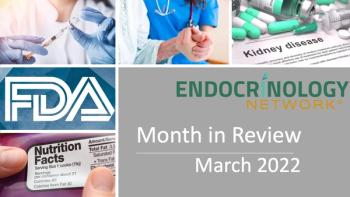
Each month, our editorial staff compiles a month in review highlighting the most popular content from the past month. March's month in review features CGM news, calls for insulin co-pay caps, and info on the declining quality of US diets.

Severe and level 2 hypoglycemia has continued to occur in individuals with type 1 diabetes and high hypoglycemia risks despite technological advancements.

Participation in a tele-mentoring program led by Robert Wood Johnson Medical School was associated with a 44% decrease in inpatient admissions and a more than 60% decrease in inpatient spending among Medicaid patients with diabetes.

An analysis of data from 2013-2015 provides insight into the impact of Medicaid expansion under the Affordable Care Act on rate of major diabetes-related amputations and suggests a shift in the distribution of uninsured patients may have driven reductions observed in the study.

An analysis of data from patients with diabetes in VA nursing homes suggests 17% were being overtreated for diabetes and 23% were being potentially overtreated.

An analysis of survey responses from type 1 diabetes caregivers indicates 10.3% of respondents reported job loss, 26.8% reported experiencing financial difficulty, and 71.9% reporting increased stress levels during the pandemic.

Higher BMI in overweight category at midlife was associated with a greater burden of overall and CVD morbidity, as well as higher health care costs in older adulthood.
A user fee goal date of August 17, 2022 has been assigned to teplizumab.

Alcohol use was additionally associated with worse fibrosis, but no interaction was noted between the two risk factors.

An analysis of more than 35k patients with a documented COVID-19 infection from Germany suggests patients with COVID-19 were at an increased risk of developing type 2 diabetes.

A systematic review and meta-analysis details the apparent lack of significant difference for glycemic control observed with subcutaneous insulin infusions versus multiple daily injections in patients with type 1 diabetes using real-time continuous glucose monitoring.

The phase 3 trial was stopped following a formal interim assessment that met pre specified criteria for positive efficacy in patients with chronic kidney disease.
Data from the PROMISE study provide clinicians with comprehensive insight into the safety and accuracy of the 180-day CGM system from Eversense in patients with diabetes.

Data show LNCSBs as a substitute for sugar-sweetened beverages were associated with reduced body weight, BMI, percentage of body fat, and intrahepatocellular lipid.

More studies need to be done examining the associations of increased weight and outcomes among patients with cystic fibrosis.

Funded by the ADA and ADCES, the 2022 National Standards for Diabetes Self-Management Education and Support are aimed at and were released in Diabetes Spectrum on March 9.
Results of a noninferiority trial comparing closed-loop delivery versus delivery via an open-loop system suggest use of a closed-loop system was noninferior for pediatric patients aged 6-12 years with type 1 diabetes.

A look into the uptake of semaglutide, what the agent represents, and what is coming further in obesity management.
Advertisement
Advertisement
Trending on HCPLive
1
Half-Life vs. Real Life: How Real-World Evidence Is Reframing Wet AMD Treatment
2
FDA Grants Priority Review for Insmed's ARIKAYCE sNDA for MAC Lung Disease
3
When Innovation Builds Clinical Confidence: Evaluating Treatment Options in Hemophilia A
4
The HCPFive: Top News for Healthcare Providers from the Week of 09/13
5