





Type 2 Diabetes
Latest News
Advertisement
Latest Videos








CME Content




























































Advertisement
More News


Dennis Bruemmer, MD, PhD, and Jennifer B. Green, MD, have a conversation about the use of SGLT2 inhibitors and GLP1 receptor agonists in treating type 2 diabetes.

Patients considered adherent to caFFR had a significantly lower risk of MACE, compared to non-adherent patients (adjusted hazard ratio, 0.33).

In models adjusting for age, sex, and race/ethnicity, children with a parent with type 2 diabetes reported higher symptoms of anxiety and depression.
Data show hemoglobin level of SGLT2 inhibitor users were higher at an eGFR above >15 mL/min/1.73m2 compared to non-users.

Diana Isaacs, PharmD, discusses the Build Back Better Act, the potential impact of a monthly spending cap on insulin, and reflects on the progress that has been made in regard to insulin affordability during the 100-year anniversary of the discovery of insulin.
From 1976 to 2018, data show the prevalence of obesity in the United States increased from 6.2% to 32.7%.
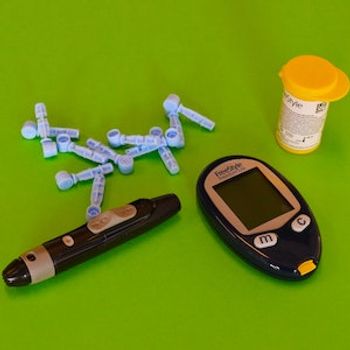
Adults aged 18–29 years (87%) with diabetes were more likely to report missed medical care during COVID-19, compared to those aged 30–59 years (63%) or ≥60 years (26%).

A recent analysis found patients with diabetes were about 26% less likely to notice symptoms of atrial fibrillation and more likely to experience more comorbidities than their counterparts without diabetes.
An analysis of survey data from patients in multiple countries provides clinicians with an overview of the effects of self-isolation during the COVID-19 pandemic on diabetes management, including access to insulin and blood glucose fluctuations.

Data from the SWISS-AF study is providing clinicians with insight into the likelihood of patients to perceive symptoms of atrial fibrillation based on whether or not they had diabetes.

Investigators noted that several types of AID systems improved Time-in-Range and HbA1c with minimal concerns around severe hypoglycemia in type 1 diabetes care.

Key opinion leaders review the recent ADA standards of care for type 2 diabetes.

A retrospective study leveraging 2-3 years of data found long-term HbA1c control was a greater predictor of COVID-19 severity than a single, contemporary HbA1c measurement as other studies have examined.
Drs Jennifer Green and Dennis Bruemmer share advice for treating complicated cases of type 2 diabetes with comorbidities.

New research from McGill University investigators details the risk-benefit ratio of antiglycemic agents, including SGLT2 inhibitors, GLP-1RAs, and DPP-4i, on cardiovascular risk reduction among patients with diabetes.

The ASCEND trial indicates low-dose aspirin use was associated with a nonsignificant reduction in risk of dementia among patients with diabetes and no history of cardiovascular disease.
Data from the ASCEND trial provide clinicians with insight into the risk of dementia based on long-term use of low-dose aspirin among patients with diabetes and no history of cardiovascular disease.

The least selected attributes were food and medication restrictions and A1c lowering followed by risk of diabetic ketoacidosis, risk of genital infection, and the avoidance of severe hypoglycemia.
An expert cardiologist and endocrinologist explain the factors considered when creating a treatment plan for type 2 diabetes.
Jennifer B. Green, MD, and Dennis Bruemmer, MD, PhD, discuss the increasing prevalence of type 2 diabetes around the world, and the populations facing higher risk.

A recent study published in JAMA Network Open describes the impact of the COVID-19 pandemic and related issues on access to insulin among patients with diabetes in the United States.
Data presented at ASN Kidney Week 2021 suggests dapagliflozin use was associated with a reduction in the rate of kidney function decline in patients with chronic kidney disease, regardless of whether they have diabetes.
Results of FIDELITY suggest use of finerenone was associated with reductions in risk of all nonfatal kidney end points included in the analysis, regardless of CKD severity.
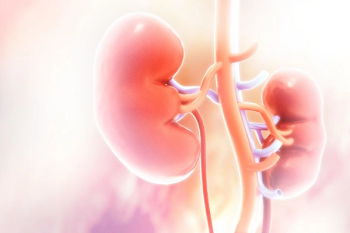
An analysis of FIGARO-DKD from Kidney Week 2021 suggests finerenone use was associated with reductions in risk of multiple renal end points, including a 36% reduction in the need for dialysis.
Advertisement
Advertisement
Trending on HCPLive
1
Half-Life vs. Real Life: How Real-World Evidence Is Reframing Wet AMD Treatment
2
FDA Grants Priority Review for Insmed's ARIKAYCE sNDA for MAC Lung Disease
3
When Innovation Builds Clinical Confidence: Evaluating Treatment Options in Hemophilia A
4
The HCPFive: Top News for Healthcare Providers from the Week of 09/13
5