
Type 2 Diabetes
Latest News
Advertisement
Latest Videos


CME Content




























































Advertisement
More News

Diabetes progression included greater likelihood of insulin treatment initiation, hyperglycemia, glycemic complications, and glucose-lowering prescriptions.
Episode 3 of Crisis Point examines the regional differences in obesity, from issues with nutrition and food insecurity to the use of the phrase "food desert".
Published on September 30, the consensus report provides perspective on diagnosis and management of type 1 diabetes, including a diagnosis algorithm and insight on CGM specific to type 1 diabetes, which the writing group noted is lacking from previous guidance.

Data show SGLT2 inhibitor therapy, in comparison to GLP-1 RA therapy, was associated with slightly lower risk for myocardial infarction (MI) or stroke in patients with CVD.

Data from a recent analysis suggests patients with diabetes with the lowest levels of insulin resistance had a 40% lower risk of stroke when compared to those with the highest levels.

Research presented at the AHA's Hypertension Scientific Sessions details the increased prevalence of cardiac autonomic neuropathy and decreased survival probability associated with a non-dipping blood pressure at night.

A study from EASD 2021 suggests increased insulin resistance could help predict risk of incident stroke events among adult patients with type 2 diabetes, with results indicating lowest levels of insulin resistance were at a 40% lower risk of stroke compared to those with the highest levels.

An analysis of NHANES data presented at EASD 2021 details the effects of returning to a healthy weight among patients with obesity compared to those currently with obesity and those who always maintained a healthy weight.

In patients with T2D without prior CVD, chronic kidney disease was the single risk factor associated with highest risk of MACE.

A posthoc analysis of the REWIND trial is providing insight into the overall standard of care seen with women with diabetes and increased cardiovascular risk compared to their male counterparts with diabetes and increased cardiovascular risk.
September's endocrine month in review features news related to diabetes, polycystic ovary syndrome, warnings from the FDA and FTC, and a column from Dr. Paul Thompson.
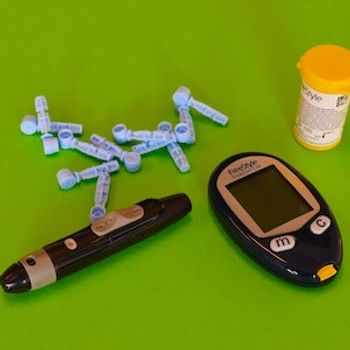
Sotagliflozin reduced HbA1c by 0.42% and heart failure by 32% in comparison to placebo.
Episode 2 of HCPLive Crisis Point tackles the clinical aspects and potential burdens clinicians face in the pursuit of obesity care.

A meta-analysis builds upon previous research and provides new insight into the total costs of diagnosis and treating PCOS as well as the costs of treating PCOS-related comorbidities.
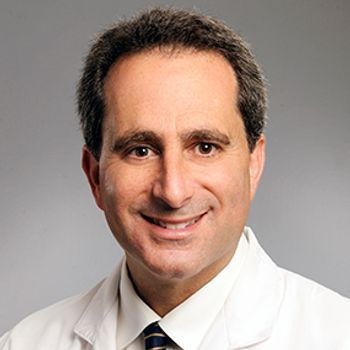
In his recent presentation, Dr. Sperling spoke of how a greater focus needed to be made on the implementation of cardiovascular care strategies, as well as better utilization of health system approaches.

The risk of TB was 48% higher in patients with diabetes compared to those without diabetes, while participants with IFG showed no increased risk of TB incidence.
The approval, which was announced in a statement on September 20, makes Byooviz (ranibizumab-nuna) the first biosimilar to Lucentis (ranibizumab injection) for the treatment of several eye diseases and conditions.

A total of 269 participants were considered potentially overtreated, while 109 participants were appropriately on target, and 56 participants potentially undertreated.
Jennifer Green, MD, explains how delays in the adoption of new guideline recommendations are holding back optimal management of type 2 diabetes in the US.

Erica P. Gunderson, PhD, MS, MPH, offers perspective on the current state of gestational diabetes management as well as avenues for improving current diagnostic and management standards.
HCPLive Crisis Point takes an in-depth look at the obesity crisis, beginning with the process of medical diagnosis and who is impacted the most by the disease.
Vivian Fonseca, MD, reflects on the 100-year anniversary of the discovery of insulin and how the role of insulin has evolved since Sir Frederick Banting's historic discovery.

After presenting at TMIOA's 5th Heart in Diabetes meeting, Silvio Inzucchi, MD, reviews current knowledge related to the effects of diabetes medications on stroke risk.

The TMIOA Medical Director and Principal Investigator discusses the idea behind hosting a mixed in-person and virtual conference for this year's Heart in Diabetes.
Silvio Inzucchi, MD, discusses his presentation on the role of diabetes medications, including SGLT2 inhibitors and GLP-1 RAs, in stroke prevention from TMIOA's 5th Heart in Diabetes conference.
Advertisement
Advertisement
Trending on HCPLive
1
Half-Life vs. Real Life: How Real-World Evidence Is Reframing Wet AMD Treatment
2
FDA Grants Priority Review for Insmed's ARIKAYCE sNDA for MAC Lung Disease
3
When Innovation Builds Clinical Confidence: Evaluating Treatment Options in Hemophilia A
4
The HCPFive: Top News for Healthcare Providers from the Week of 09/13
5