






Type 2 Diabetes
Latest News
Advertisement
Latest Videos





CME Content




























































Advertisement
More News

Data show no clinically meaningful difference between insulin glargine-yfgn and insulin glargine in matters of safety, purity and potency.

Announced on July 28, insulin glargine-yfgn (Semglee) becomes the first interchange biosimilar insulin product to receive approval in the FDA's history and is expected to be available by the end of the year.

Data show dapagliflozin was projected to add 0.63 quality-adjusted life-years at an incremental lifetime cost of $42, 800.

An analysis of a subset of patients from the STAMPEDE trial provides new evidence detailing the quality of life improvements associated with undergoing bariatric surgery in patients with uncontrolled type 2 diabetes.

A cross-sectional analysis of data from the National Center for Health Statistics indicates the presence of 4 cardiovascular risk factors prior to becoming pregnant can help identify pregnancies at increased risk of adverse fetal or maternal outcomes.

Harold Bays, MD discussed the effectiveness of GLP-1 RA in treatment, as well as the development of oral semaglutide.
With approval, exenatide extended-release (BYDUREON BCise) becomes the first weekly GLP-1 RA therapy to receive approval for improving glycemic control in pediatric patients aged 10-17 years with type 2 diabetes.

Exenatide extended-release represents the first regulatory approval for a once-weekly glucagon-like peptide-1 receptor agonist (GLP-1 RA) for pediatric patients with type 2 diabetes.

Data show while women with GDM wanted to be responsible for their own health, an annual reminder and combined appointments would help to screen for T2D.

A prespecified analysis of patients with stage 4 CKD from DAPA-CKD suggests the magnitude of effects seen with dapagliflozin use among these patients was similar to that seen among patients with normal to moderately impaired kidney function from the trial.
With approval announced on July 19, HFX becomes the only spinal cord stimulation therapy approved by the FDA with a specific indication for painful diabetic neuropathy.

Final Thoughts: Awareness and Communication in Diabetes
ByPeter Salgo, MD, Columbia University Irving Medical Center ,Elaine Apperson, MD, University of South Carolina School of Medicine ,Davida Kruger, MSN, APN-BC, BC-ADM, Henry Ford Health System ,Anne Peters, MD, Keck School of Medicine of the University of Southern California,Jay Shubrook, DO, FACOFP, FAAFP, BC-ADM,
Thought leaders in diabetes provide closing remarks about the importance of continuous awareness of glycemic control in patients as well as the need for effective communication between patients and providers.
A Multidisciplinary Approach to Diabetes Management
ByPeter Salgo, MD, Columbia University Irving Medical Center ,Elaine Apperson, MD, University of South Carolina School of Medicine ,Davida Kruger, MSN, APN-BC, BC-ADM, Henry Ford Health System ,Anne Peters, MD, Keck School of Medicine of the University of Southern California,Jay Shubrook, DO, FACOFP, FAAFP, BC-ADM,
A panel of experts in the treatment of diabetes discusses the importance of self-management of blood glucose levels and emphasizes the need for multidisciplinary care teams and referrals for optimal disease management.
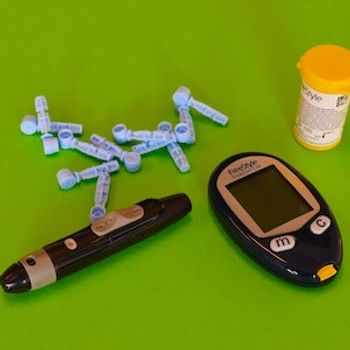
Data show risk factors included education level and increased glucose level did not have signficant impact on BMI and body fat of children.

Analysis of more than 35,000 patients with diabetes and depressive disorder indicates patients with greater adherence to antidepressants appeared to experience fewer complications and a lower rate of mortality than those with suboptimal use.

An analysis of data from the Framingham Heart Study Offspring Cohort by investigators at the USDA Human Nutrition Research Center on Aging suggests greater consumption of whole grains was associated with a more preferable cardiometabolic risk profile than lesser consumption or consumption of refined grains.

Retinal laser photocoagulation may be performed by a specialist from a distance using telemedicine platforms.

To allow our audience to become more acquainted with our advisory board members, Endocrinology Network will be hosting a special content series highlighting our board members, their practices, and why they were invited to help guide coverage moving forward.

Selecting or Switching Formulations of Glucagon
ByPeter Salgo, MD, Columbia University Irving Medical Center ,Elaine Apperson, MD, University of South Carolina School of Medicine ,Davida Kruger, MSN, APN-BC, BC-ADM, Henry Ford Health System ,Anne Peters, MD, Keck School of Medicine of the University of Southern California,Jay Shubrook, DO, FACOFP, FAAFP, BC-ADM,
Key opinion leaders in endocrinology provide an overview of factors to consider when selecting or switching intranasal and injectable glucagon including ease of administration and patient preference.

Long-Term Cost Savings of New Formulations of Glucagon
ByPeter Salgo, MD, Columbia University Irving Medical Center ,Elaine Apperson, MD, University of South Carolina School of Medicine ,Davida Kruger, MSN, APN-BC, BC-ADM, Henry Ford Health System ,Anne Peters, MD, Keck School of Medicine of the University of Southern California,Jay Shubrook, DO, FACOFP, FAAFP, BC-ADM,
Thought leaders in diabetes discuss challenges of insurance coverage for new formulations of glucagon and comment on the potential for long-term cost savings due to decreased overall healthcare system utilization.

Data show SGLT2is reduced HHF in patients with both stablished HFrEF and CKD and are likely to also be effective in patients with HFpEF.
With approval on July 9, finerenone (Kerendia) becomes the first nonsteroidal mineralocorticoid receptor antagonist to receive approval for use in adults with chronic kidney disease associated with type 2 diabetes.
Diana Isaacs, PharmD, offers perspective on her top 5 CGM-related studies or presentations from the American Diabetes Association's 81st Scientific Sessions.
FDA cites pharmacokinetic comparability considerations remained outstanding, while no clinical deficiencies on efficacy and safety were reported.
Despite having a favorable vote in a recent FDA AdComm meeting, Provention Bio announced the FDA has issued a CRL for teplizumab for the delay of type 1 diabetes in at-risk individuals.
Advertisement
Advertisement
Trending on HCPLive
1
Half-Life vs. Real Life: How Real-World Evidence Is Reframing Wet AMD Treatment
2
FDA Grants Priority Review for Insmed's ARIKAYCE sNDA for MAC Lung Disease
3
When Innovation Builds Clinical Confidence: Evaluating Treatment Options in Hemophilia A
4
The HCPFive: Top News for Healthcare Providers from the Week of 09/13
5