































































Expert panelists provide an overview of health complications associated with mild and severe hypoglycemic episodes and emphasize the importance of patient awareness and early recognition to improve quality of life and health-related outcomes.
Expert panelists provide an overview of health complications associated with mild and severe hypoglycemic episodes and emphasize the importance of patient awareness and early recognition to improve quality of life and health-related outcomes.
A panel of experts in diabetes builds a discussion on hypoglycemia and shares key insights into its impact on community health by considering overall challenges of glucose management.

A panel of experts in diabetes builds a discussion on hypoglycemia and shares key insights into its impact on community health by considering overall challenges of glucose management.

Our latest case report from Dr. Brady Pregerson features a man in his 30s presenting to the ED after drinking and admits to forgetting his insulin and poor adherence to other antidiabetes medication. Can you determine the correct diagnosis?
An analysis of food frequency questionnaire and biomarker data from more than 7000 adults indicates consumption of 2 or more servings of whole fruit per day was associated with 36% lower odds of developing diabetes in the next half-decade.

The FDA has announced the approval of semaglutide 2.4 mg (Wegovy) for chronic weight management in patients with obesity or overweight—the first drug to receive such an approval from the FDA in more than half a decade.

The indication makes the Novo Nordisk product the first weekly injection GLP-1 agonist approved for managing overweight and obesity.

A look at more than 2800 older patients with type 1 diabetes indicates experiencing severe glycemic events was linked to an increased risk of developing dementia.

A retrospective look at patients who initated real-time CGM versus noninitiators indicates CGM use resulted in significant reductions in HbA1c and also reduced the number of outpatient and telephone visits among patients with type 1 diabetes and type 2 diabetes.

A trial of more than 150 patients with type 2 diabetes using basal insulin without prandial insulin suggests CGM use among these patients could lower HbA1c and improve time in target range compared to traditional blood glucose monitoring.

Analysis of claims data from the Symphony database offers clinicians greater insight into the impact of diabetes, both type 1 and type 2, on thyroid eye disease in US patients.
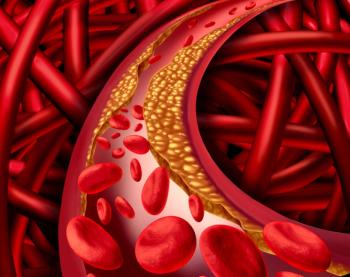
A systematic review and meta-analysis presented at AACE 2021 shed light on risk factors associated with increased odds of developing peripheral artery disease among patients with type 2 diabetes.
A systematic review and meta-analysis presented at AACE 2021 sheds light on risk factors associated with increased odds of developing peripheral artery disease among patients with type 2 diabetes.

Despite the investigators' hypothesis, implementing use of CGM at hospital discharge did not reduce risk of emergency department visits or rehospitalizations among patients with uncontrolled type 2 diabetes.

A retrospective analysis of EHR data suggests use of CGM or visits from a diabetes educator or nutritionist were associated with a decrease in gaps between receiving care at a pediatric endocrinology clinic and an adult clinic among patients transitioning from pediatric to adult diabetes.

The US Food and Drug Administration's Endocrinologic and Metabolic Drugs Advisory Committee voted 10-7 in support of teplizumab for delaying clinical type 1 diabetes in a meeting on May 27.

The EMDAC voted 10-7 to support the benefit-risks of teplizumab for delaying clinical type 1 diabetes.
Data from a retrospective review of patients with type 2 diabetes and heart failure at a diabetes center in Maryland details trends in prescribing and discontinuation in a real-world setting over a 5-year period.

A systematic review and meta-analysis of a dozen trials assessing the MiniMed 670G system provides insight into the effects of the hybrid closed-loop system on A1c and time in range among patients with type 1 diabetes.

A 23-year study suggests presence of autoantibodies could aid clinicians in predicting the risk of developing type 1 diabetes among women with gestational diabetes.
Analysis of the UK Biobank cohort details a graded increase in risk of cardiovascular and renal events across the glycemic spectrum, including among patients with prediabetes.

Analysis of data from the FIDELIO-DKD trial suggests use of finerenone was associated with a nearly 30% reduction in new-onset atrial fibrillation among patients within the phase 3 trial.

An analysis of 9 trials examining SGLT2 inhibitors in patients with heart failure provides insight into the effects of the agents across the spectrum of heart failure, including those with decreased eGFR and preserved ejection fraction.

An analysis of FIDELIO-DKD indicates use of finerenone was associated with significant reductions in risk of new-onset atrial fibrillation in patients with type 2 diabetes and chronic kidney disease.

While the trial failed to meet its primary endpoint, results of DARE-19 provide valuable insight into the effects of SGLT2 inhibition and use of dapagliflozin in patients with COVID-19.