

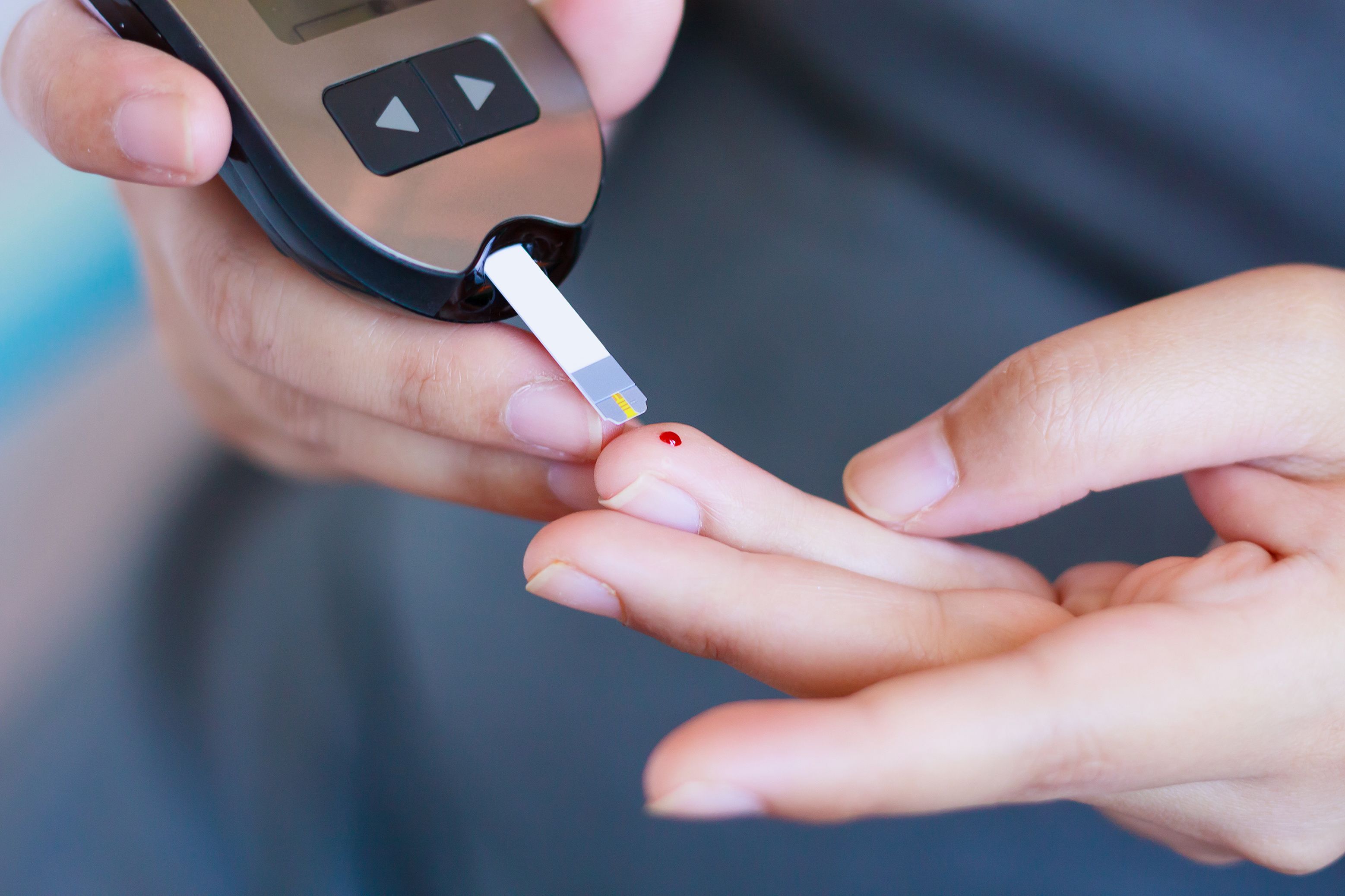
































































A single-injection co-formulation of pramlitide and insulin may be a better alternative to separate administrations of both key treatments in adults with T1D, particularly following meals.
A single-injection co-formulation of pramlitide and insulin may be a better alternative to separate administrations of both key treatments in adults with T1D, particularly following meals.

A majority of surveyed patients and providers want to continue telemedicine follow-up visits after the pandemic ends.

Stimulating steroid receptor co-activators may play a role in repairing heart tissue following severe myocardial infarction.
Many patients with genetic obesity disorder experience resistance to treatment, including intensive lifestyle therapy.

Evening and late-night preferences of women with GDM is linked to a significantly greater risk of preeclampsia and NICU treatment.

A post-hoc analysis of the AWARD-11 trial indicates that 4.5 mg of dulaglutide was effective in lowering and maintaining A1C levels <7% regardless of baseline levels.

A review of observational data suggests the presence of type 2 diabetes could increase risk of developing Parkinson disease and might also speed the progression of motor symptoms.

A trial of more than 20k women from investigators at Kaiser Permanente found there were no significant differences in outcomes among pregnant women undergoing gestational diabetes screenings using the ADA's 1-step approach versus the ACOG's 2-step approach.

Check out the Endocrine Outlook podcast, brought to you by the Endocrinology Network. This episode focuses on semaglutide 1 mg as a weight loss therapy for patients who are obese or overweight.


Compared with a two-step screening method, a one-step approach is associated with more diagnosed incidences of gestational diabetes, despite a lower adherence rate.

Our latest case report from Brady Pregerson, MD, features a woman in her 70s presenting with a facial droop and slurred speech. Can you help determine the correct diagnosis?
Principal investigator of the SURPASS-2 trial discusses the results of the trial and how it informs clinicians on the use of tirzepatide versus currently approved diabetes medications.

The complete data from the SURPASS-2 study will be presented during the upcoming American Diabetes Association’s 81st Scientific Sessions.

Three separate doses of the drug showed benefit when compared to semaglutide.
An analysis of data from more than 16k Hispanic/Latino individuals indicates the prevalence of cardiovascular risk factors among those with a history of stroke/TIA was greater than previously thought and many are unaware of these risk factors.

Patients ≥65 years using glargine or detemir, rather than NPH insulin, had lower risk of hospitalizations or emergency department visits due to hypoglycemia.
An analysis of data from 2 major studies suggests women with childhood-onset type 1 diabetes experienced 2.5 fewer reproductive years than their counterparts without diabetes.

Published in late February, results of the STEP 1 and STEP 3 trial give clinicians insight into the effects of 2.4 mg subcutaneous semaglutide as an intervention for weight loss in overweight or obese patients ahead of a potential approval in June 2021.

Results of a two-sample Mendelian randomization analysis suggest vitamin D levels were unlikely to have a large effect on a person's risk for developing type 1 diabetes.

An AHA study suggests nearly 66% of all COVID-19 hospitalizations could be attributed to the presence of obesity, diabetes, hypertension, or heart failure.

The authors of a research letter say a small minority of patients with diabetes have facial pain that cannot otherwise be easily explained.

The reason for this decline has yet to be ascertained and thus warrants future research.

An analysis of more than 2k patients from within the Look AHEAD study suggests the timing of physical activity could play a role in mitigating cardiovascular risk among men with type 2 diabetes considered overweight or obese.

Study finds team collaboration could also help primary care practices deal with an expected boom in the number of elderly people with chronic conditions.