

































































Type 2 Diabetes
Latest News

Advertisement
CME Content
Advertisement

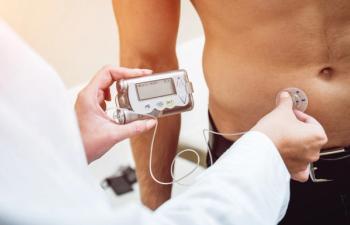
A secondary analysis of the iDCL suggests use of closed loop insulin therapy was associated with improvements in glucose control among patients with type 1 diabetes.

A study from the University of Chicago Medical Center breaks down the potential for reducing the risk of age-related macular degeneration through use of metformin.

Few diabetic patients adhere to daily blood glucose monitoring, foot checks, eye examinations, and cholesterol checks.

The University of Chicago hypertension expert discusses new ADA recommendations for cardiovascular risk management.

Research from investigators in Spain suggests increased BMI was associated with the prevalence of cardiovascular disease risk factors regardless of a patient's physical activity levels.

An analysis of data and blood samples from more than 28k women provides insight into the predictive value of more than 50 biomarkers for predicting risk of premature coronary heart disease in aging women.
Data from a 10-year follow-up analysis of a single-center RCT in Europe is offering insight into the effects of metabolic surgery versus conventional medical therapy for long-term control of type 2 diabetes.

An analysis of Swedish health registry databases suggests poor glycemic control in children with type 1 diabetes was associated with an increased risk of developing a neurodevelopmental disorder.

The guidelines list more than 40 recommendations related to blood pressure targets, screening and diagnosis, and overall cardiovascular disease risk management strategies.

In most scenarios, patients with diabetes said they would use remote digital monitoring to manage their disease if the monitoring were equally or somewhat more effective than their current monitoring.
Analysis of an AAO database is giving clinicians further insight into the risk of blindness associated with a new diagnosis of diabetic retinopathy.

An analysis of the Women's Health Study indicates women with type 2 diabetes were at a 10-times greater risk of developing premature coronary heart disease than their counterparts without diabetes.

A matched cohort study of more than 10k patients suggests undergoing gastric bypass surgery was associated with a 38% reduction in risk of developing diabetic retinopathy among obese patients with diabetes.

An analysis of survey results from more than 1000 patients with diabetes from 30 countries indicates patients may be more open to remote digital monitoring than previously thought.

A phase 2 study suggests treating the common diabetes comorbidity may be capable with the monoclonal antibody.

Analysis of data from more than 20,000 patients at a University of Alabama hospital indicates taking metformin before contracting COVID-19 was linked to a 60% reduction in odds of mortality.
Lockdowns Led to Weight Gain, Increases in Stress But No Changes in Glycemic Control Among Diabetics
Data from questionnaires given to type 1 and type 2 diabetes patients from an outpatient clinic is providing insight into how the COVID-19 pandemic has impacted diabetes management.

Results of a phase 3b trial suggest testosterone treatment could prevent the development of diabetes in men with low serum testosterone levels.

An analysis of children from the Avon Longitudinal Study of Parents and Children is providing insight into the potential for increased risk of mental health disorders among patients with high insulin levels or high BMI trajectory as a child.

The SOLOIST-WHF trial indicates that SGLT2 inhibition may lead to an overall reduction in cardiovascular-related deaths and hospitalizations.
A systematic review and meta-analysis of 23 trials suggest adhering to a low carbohydrate diet for a 6-month period could facilitate remission of diabetes and lead to reductions in body weight.

A new study finds benefit to hemoglobin A1c reductions made following conception.
An analysis of data from questionnaires sent to more than 400 patients from a diabetes clinic in Europe gives insight into the impact of lockdown measures on body weight, HbA1c control, and perceived levels of stress and anxiety.
Advertisement
Advertisement
Trending on HCPLive
1
Half-Life vs. Real Life: How Real-World Evidence Is Reframing Wet AMD Treatment
2
FDA Grants Priority Review for Insmed's ARIKAYCE sNDA for MAC Lung Disease
3
When Innovation Builds Clinical Confidence: Evaluating Treatment Options in Hemophilia A
4
The HCPFive: Top News for Healthcare Providers from the Week of 09/13
5