
































































Bayer has submitted a New Drug Application for the mineralocorticoid receptor antagonist.
Bayer has submitted a New Drug Application for the mineralocorticoid receptor antagonist.

An analysis of data from more than 250k kidney transplant patients details the increased risk of mortality and graft failure according to diabetes status among these patients.
Bigfoot Medical announced the FDA granted 510(k) clearance to the Bigfoot Unity System for use in patients with type 1 or type 2 diabetes aged 12 years and older.

The smart pen cap system is associated with real-time hypoglycemia alerts and insulin dose recommendations.
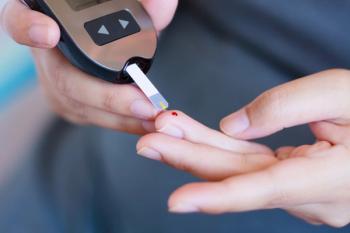
An analysis presented ahead of ACC.21 details the increased risk of MACE associated with prediabetes, suggesting patients were at nearly twice the risk of experiencing a major cardiovascular event.

A systematic review and meta-analysis of studies examining pediatric type 2 diabetes indicate hypertension or albuminuria was present among approximately 20% of children with type 2 diabetes.

An analysis from ACC.21 is providing an overview of the impact of prediabetes compared to normoglycemia on risk for major adverse cardiovascular disease events.

Research at ARVO 2021 highlighted a gamut of interplaying diabetes and vision loss risk factors, and even treatments for both. But experts depict a referral and care process that lacks whole diabetes care.

Data from the KITE study shows that ≥50% of brolucizumab patients maintained a 12-week interval schedule through 52 weeks.

A study from APA 2021 suggests type 1 diabetes mellitus in adolescence was linked to increased probability of attention deficit hyperactivity disorder.

A new study finds the top 10 future research priorities into diabetes and pregnancy.

An analysis of claims data from more than 7k patients suggests patients with severe obesity and type 2 diabetes who underwent bariatric surgery experienced a 68% reduction in cardiac mortality and 34% reduction in cardiac events compared against standard medical management.

A discussion with an investigator on how the SGLT-2 inhibitor may help affected patients.

New data show dasiglucagon a reliable and rapid treatment in restoring plasma glucose levels.

A discussion on the uncovered benefits in risk reduction observed in patients with severe NDPR.
CDC data suggest ophthalmic patients are significantly more likely to present with a heart disease-driving condition or habit. How could preventive care improve?
An assessment of VISTA and VIVID patient data uncovered surprising risk factors associated with aflibercept success or failure in DME resolution.

The UCLA expert discusses the lengthy virtual agenda of this year's meeting, as well as his own session recommendations and key discussions.

Data from more than 1500 general practices are providing a comprehensive overview of the impact of obesity on risk of severe COVID-19 outcomes in England—suggesting each BMI increase beyond 23 kg/m2 increased risk of hospital admission and death.
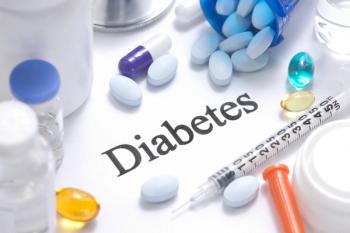
New information from a phase 3 trial used as part of the FDA approval is providing insight into the safety and efficacy of dasiglucagon for treatment of severe hypoglycemia in adult patients with type 1 diabetes.

The majority of patients with a treatment gap longer than 12 weeks had worsening visual acuity, notes a new ARVO study.

The SGLT-2 inhibitor, generally used for cardiometabolic and cardiovascular risk reduction, may provide similar benefits for the ophthalmic disease.

An expert discusses his interest in a pair of macular degeneration and diabetic macular edema treatments that may provide less burden and consistent efficacy in patients.
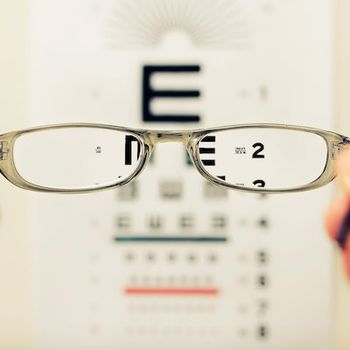
A new CDC study shows the link between poor vision and heart disease is not just limited to cardiovascular events.

Allen Ho, MD, discusses the Protocol W outcomes and what they indicate for prescribing ophthalmologists.