


































































Data show event rates varied two-fold across regions, with risk reduction of T2D and CKD events across geographic regions without heterogeneity.
Data show event rates varied two-fold across regions, with risk reduction of T2D and CKD events across geographic regions without heterogeneity.

Our editorial staff has selected a shortlist of highlighted data and summary slides on their picks of the most important data to be released at the American Diabetes Association's 81st Annual Scientific Sessions.

Part 2 of a Q&A with Elena Christofides, MD highlighting important discussions surrounding ADA 2021, including semaglutide and obesity treatments as they relate to T2D.

Researchers push for transparency between health care professionals and patients with diabetes about the safety and efficacy of the influenza vaccine
In part 1 of a Q&A, Elena Christofides, MD highlights important discussions surrounding ADA 2021, including cardiometabolic medicine and risk factors for T1D.

Data from the SURPASS program presented at ADA 2021 provide insight into the effects of tirzepatide on HbA1c control and body weight in a variety of different patient populations as both an add-on and monotherapy.

Investigative ORMD-0701 has potential to regulate the insulin-glucagon balance in patients.

While still waiting for regulatory approval, the SCORED and SOLOIST trial have demonstrated the impact of sotagliflozin, a dual SGLT1/2 inhibitor, on patients with type 2 diabetes and chronic kidney disease or heart failure.

Deepak Bhatt, MD, MPH, reflects on the rapid ascent of sotagliflozin (Zynquista) into the spotlight of clinicians specializing in cardiometabolic health thanks to the success of the phase 3 SCORED and SOLOIST trials.

Experts in endocrinology build a discussion on new intranasal and injectable formulations of glucagon and discuss their benefits compared to glucagon kits that require reconstitution.

A panel of thought leaders in the management of diabetes reviews the mainstays of treatment for hypoglycemic episodes and builds a discussion on effective non-pharmacologic strategies for raising blood glucose levels.

Using banked samples from the CANVAS trial, investigators demonstrate the ability of KidneyIntelX to monitor therapeutic response to SGLT2 inhibitors and predict disease progression in patients with type 2 diabetes and chronic kidney disease.

Data from the AMPLITUDE-O trial demonstrates the effects of the exendin-4-based GLP-1 RA efpeglenatide on cardiovascular and renal outcomes among patients with type 2 diabetes and cardiovascular disease or kidney disease.

Changes in physical activity and diet may be main cause for worsening of diabetes control.

Deepak Bhatt, MD, MPH, discusses the results of REDUCE-IT BMI, which examined effects of icosapent ethyl vs placebo based on baseline BMI, that he presented at ADA 2021.

Data show similar family impact and distress scores at baseline and 3-months, highlighting continued impact of COVID-19 on T1D population.
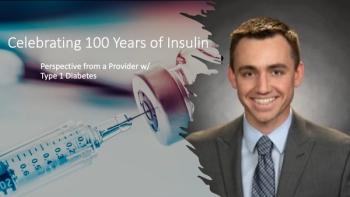
Using the ADA's celebration of the 100-year anniversary of the discovery of insulin as a backdrop, resident Advisory Board member Adam Sturts, DO, reflects on the history, present, and future of insulin from the perspective of a provider and a patient with type 1 diabetes.
A pair of studies presented at ADA 2021 detail the effects of an investigational 2.0 mg dose of semaglutide compared to semaglutide 1.0 mg (Ozempic) on glycemic control and body weight in patients with type 2 diabetes in SUSTAIN FORTE.

A longer time spent in hypoglycemia over a 24-hour period was associated with disrupted sleep among children with type 1 diabetes.

Matthew Budoff, MD highlights his own preferred methods of treatment and what might need to be done to help doctors and patients through the process.

The study shows a reduction in hemoglobin and a reduced risk of hypoglycemia in participants.

Of the two diabetes treatments included in the study, patients with Gla-300 had lower recorded total health costs and greater commitment to treatment.

Data show a 38% reduction in T2D incidence with dapagliflozin compared to placebo in patients with CKD.

Data from a RCT demonstrate the impact of high-frequency spinal cord stimulation on pain and quality of life among patients with a history of painful diabetic neuropathy lasting more than a year.

Data show 66% of healthcare professionals reported greater confidence in prescribing SGLT2i, while 55% reported greater confidence in prescribing GLP-1.