


































































New data show that youths with type 1 diabetes perceive their sleep as disrupted, but investigators find similar objective outcomes in youths without diabetes.
New data show that youths with type 1 diabetes perceive their sleep as disrupted, but investigators find similar objective outcomes in youths without diabetes.

Men, individuals with 15 years of type 2 diabetes, and those older than 55 years old had the greatest absolute risk reduction.

New data find significant associations between every five-year earlier onset of diabetes and a higher hazard rate of dementia, in patients aged 35-75 years old.

A retrospective analysis of matched cohorts has led investigators to suggest bariatric surgery should be viewed as a first-line treatment for the management of obesity in patients with type 2 diabetes.

April's month in review features stories related to new diabetes medications, stem cells, disparities in care of women, and how exposure to endocrine-disrupting chemicals in pregnancy can impact mental health following delivery. Check back in during the last weekend of each month for the next Endocrine Month in Review.

Anti-VEGF administration did increase the risk of nonocular hemorrhages, mostly in patients with AMD.

TIMI Group investigators found the effects of dapagliflozin on cardiovascular risk in patients with diabetes were comparable in those with markers of CKD and those without markers of CKD at baseline.

Using data from nearly 1 million patients with type 2 diabetes in a commercial database, investigators provide a comprehensive of the impact race/ethnicity, gender, and income can have on the likelihood of receiving a prescription for SGLT2 inhibitors.

An analysis of the DECLARE-TIMI 58 trial indicates the cardiovascular benefit of dapagliflozin use in patients with diabetes was consistent regardless of baseline kidney function and suggests the effects could be independent of glucose reduction.

A new study on dapagliflozin use finds consistent risk reduction in treatment of patients with higher rates of kidney dysfunction.

A trial led by clinicians from Northwestern Medicine suggests the presence of ischemic leg symptoms could serve as a useful indicator for patients to help determine whether they will see a meaningful benefit from their walking program.

An analysis of the CLARIFY registry is providing clinicians with further insight into the impact of diabetes in patients with chronic coronary syndromes, particularly the increased risk of stroke, myocardial infarction, and cardiovascular death.

New data suggest injections of adipose-derived SVF cells could elicit wound closure in patients with nonhealing diabetic foot ulcers and, subsequently, reduce the need for amputation in this patient population.

An analysis of the CLARIFY registry suggests patients with chronic coronary syndromes were 3 times more likely than the general population to have diabetes and these patients were at a greater risk of multiple adverse outcomes compared to their counterparts without diabetes.

Results of a randomized clinical trial suggest treatment with high-frequency spinal cord stimulation added to conventional medical management could lead to pain relief and improvements in quality of life among patients with refractory peripheral diabetic neuropathy.

Many believed radiocontrast exposure could be linked to long-term kidney impairment.

An analysis of the DAPA-HF trial indicates the impact of dapagliflozin were consistent across both men and women receiving the SGLT2 inhibitor.

An analysis of 2-year data from the DRCR Retina Network's Protocol W study indicates anti-VEGF treatments can delay progression of NPDR to proliferative diabetic retinopathy but was not linked to improvements in visual acuity.

A subgroup analysis from DAPA-HF show the SGLT2 inhibitor provided efficacy regardless of HFrEF patient gender.

Patients who continued taking semaglutide (Rybelsus/Novo Nordisk) after an initial 20-week therapy period saw continued weight loss, leading to the hope that a new pharmacologic approach to weight loss could be on the horizon.
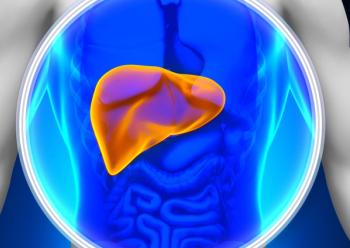
A phase 2 trial examining the effects of daily semaglutide over a 72-week period suggests the GLP1-RA could help patients with biopsy-confirmed nonalcoholic steatohepatitis (NASH) achieve NASH resolution.

An analysis of the CHAMP-HF registry indicates KCCQ-OS was more sensitive at tracking changes in disease state among heart failure patients, indicating the importance of including patient-reported outcome measures in heart failure management.

An expert physician in cardiology and metabolic management walks through a presentation on identifying, addressing, and continually treating for heightened cardiometabolic risk.

Juan Frias, MD, breaks down results of a post-hoc analysis of the AWARD-11 study examining expanded doses of dulaglutide according to baseline HbA1c levels.

Continuing treatment results in a nearly 8% reduction in weight during a 48 week period.