


































































An analysis of OCT and OCTA scans from 129 diabetics suggests structural and vascular abnormalities of the retina can help predict cognitive decline in patients with type 1 diabetes.
An analysis of OCT and OCTA scans from 129 diabetics suggests structural and vascular abnormalities of the retina can help predict cognitive decline in patients with type 1 diabetes.
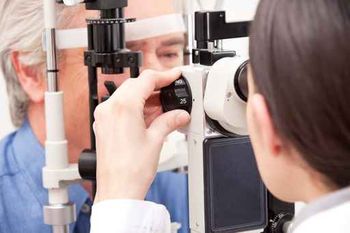
An analysis of 7 AI algorithms for detecting diabetic retinopathy is shedding light on variability in outcomes using the various algorithms that have become available in recent years.

The SGLT2 inhibitor demonstrated possible erythropoietic effects in type 2 diabetes patients.

The first approved generic product for injection glucagon is also indicated for diagnostic use, when appropriate.

The US FDA announced the approval of the first generic drug for the treatment of severe hypoglycemia with the approval of the glucagon for injection USP, 1 mg/vial.
This article features the top 5 stories in Endocrinology Network's coverage of diabetes management in 2020.

Dr. Melissa Young, an endocrinologist, reflects on her experiences during 2020 as part of the My Year in COVID-19 feature series.

Experts in diabetes provide their perspective on various facets of diabetes management including the use of insulin pumps.

A retrospective analysis of more than 7k patients from the ACCORD trial suggests intensive blood pressure and intensive blood glucose control could reduce the risk of cardiovascular autonomic neuropathy in diabetics.

An analysis of more than 7k patients with CAN data from the ACCORD trial suggest intensive blood pressure and blood glucose control could reduce risk of cardiovascular autonomic neuropathy.
A randomized trial sponsored by the National Eye Institute is comparing the effects of a surgical vs anti-VEGF therapy in patients with proliferative diabetic retinopathy.

An analysis of more than 25 studies with more than 1 million patients is giving an overview of how the timing of a diabetes diagnosis can impact risk of complications later in life.

Amputations have increased 30% among diabetic patients since the pandemic began.

An analysis of 15k patients hospitalized with COVID-19 suggests metformin use was associated with significant reductions in mortality among women who were obese or had type 2 diabetes.

An analysis of 2 major studies is comparing the effects of bariatric surgery vs standard medical therapy on risk of cardiovascular disease events in obese teens with type 2 diabetes.
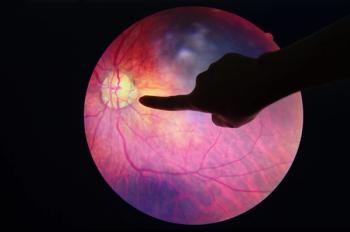
Diabetic retinopathy (DR) is the most common microvascular complication of diabetes, affecting more than two in five Americans with diabetes.
A resident from Penn State Hershey Medical Center offers perspective on the idea of using SGLT2 inhibitors for primary prevention in patients with type 2 diabetes.

A comparison of data from Teen-LABS and TODAY offer insight into the effects of medical therapy alone vs bariatric surgery in obese teens with type 2 diabetes.

There is concern over whether or not patients are adhering to their treatment during the pandemic.

Dr. Gerald Shulman discusses how diabetes can eventually be reversed.
By addressing insulin resistance, researchers believe they can reduce the comorbidities associated with type 2 diabetes.

Dr. Giorgino discusses how combining SGLT2 Inhibitors and GLP-1RA could be combined for treating type 2 diabetes.
A resident from Penn State Hershey Medical Center offers his perspective on the potential of the SGLT2 inhibitor class to transform the treatment of diabetes and cardiovascular disease among patients with diabetes.

An analysis of data from the Look AHEAD study details the associations between long-term variability of glycemic markers and increased risk of all-cause and cardiovascular mortality.
Diabetic patients are more susceptible to severe COVID-19 outcomes.