

































































The Assistant Dean of Community Engagement at the School of Nursing at the University of Pennsylvania offers perspective on addressing racial and ethnic disparities in medicine at an individual and societal level.
The Assistant Dean of Community Engagement at the School of Nursing at the University of Pennsylvania offers perspective on addressing racial and ethnic disparities in medicine at an individual and societal level.

Results from FIDELIO-DKD suggest finerenone was associated with reductions in progression of chronic kidney disease and potential improvements in cardiovascular health.

The double-blind trial reported on long-term cardiovascular and kidney outcomes in patients with chronic kidney disease and type 2 diabetes.

An analysis of a Swedish obesity study with more than 20 years of follow-up data is detailing differences in life expectancy among patients who undergo bariatric surgery versus those opting for usual care.

An analysis of data from more than 9 million women details the increased odds of developing gestational diabetes, gestational hypertension, and other complications associated with having polycystic ovary syndrome.
Results from FIDELIO-DKD suggest finerenone was associated with reductions in progression of chronic kidney disease and potential improvements in cardiovascular health.
An analysis of more than 1 million singleton births in Denmark is detailing a potential association between maternal diabetes and increased risk of developing an eating disorder early in life.

Patients who are prescribed metformin may face a risk of urticaria, though the latter can be treated with antihistamines.

An analysis of data from a California health survey suggests non-obese Vietnamese Americans were 60% more likely to have diabetes as their non-obese non-Hispanic White counterparts.

Only 29.5% of sampled CBD users claimed any wellness benefit.

An analysis of data from more than 9 million women details the increased odds of developing gestational diabetes, gestational hypertension, and other complications associated with having polycystic ovary syndrome.
A study presented at UEG Week 2020 suggests a minimally-invasive, outpatient procedure combined with GLP-1 RA therapy could help diabetics eliminate the need for insulin therapy.

An analysis of Explorys data presented at UEG Week 2020 suggests bariatric surgery in obese diabetics could reduce risk of pancreatic cancer.

A meta-analysis published in JAMA Cardiology details reductions in cardiovascular and kidney outcomes associated with SGLT2 inhibitor use in diabetes patients.

This episode of the Endocrine Outlook podcast features a discussion around the cardiorenal benefits of SGLT2 inhibitors and GLP-1 receptor agonists.
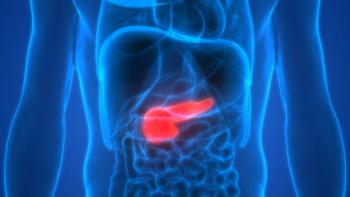
An analysis of data from DiRECT suggests diabetes remission was linked to restoration of pancreas size and function.
An analysis of the Look AHEAD Study suggests improved blood sugar control was linked to improved executive function and neurologic health among patients with type 2 diabetes.

Muthiah Vaduganathan, MD, MPH, of Brigham and Women's discusses the barriers to preventing optimal prescribing practices for SGLT2 inhibitor and GLP-1 receptor agonist therapies.

A trial of patients with prediabetes and OSA details the cardiovascular benefit of optimized CPAP treatment.

An RCT of patients with prediabetes and OSA details the cardiovascular benefit of optimized CPAP treatment in this patient population.

Gregory Weiss, MD, reflects on the idea of creating a cardiometabolic subspecialty.

An analysis of nationally representative data suggests 35.6% of diabetic patients reported not receiving a yearly influenza vaccination.

Results of a study of more than 330 patients suggest use of sitagliptin could improve outcomes in patients with diabetes and COVID-19.

This edition from the 10 Year Plan features perspective from leadership at ACC and ESC, as well as survey results from cardiologists.
An analysis of nearly 300k offspring suggests those exposed to diabetes in the womb were at an increased risk of cardiovascular disease events and risk factors in young adulthood.