

































































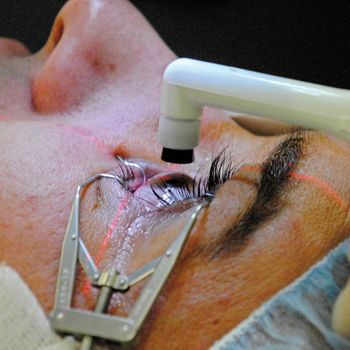
Cataracts and diabetic retinopathy are the 2 leading causes of acquired blindness worldwide.
Cataracts and diabetic retinopathy are the 2 leading causes of acquired blindness worldwide.
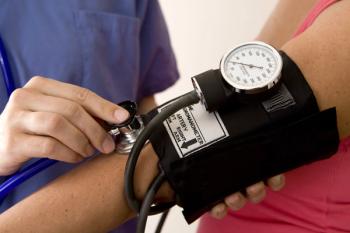
New research details the impact increased systolic blood pressure can have on cardiovascular health of diabetics.

A new study from investigators in the UK has uncovered potential signs of early heart failure in patients with type 2 diabetes.

New research suggests a diagnosis of prediabetes signaled increased risk of all-cause death or cardiovascular death in the next decade.

New research suggests the detrimental impact of extreme sleep durations may be greater in diabetics than nondiabetics.

New research provides an overview of the impact diabetes and cardiovascular risk factors can have on cognition in middle-aged patients.
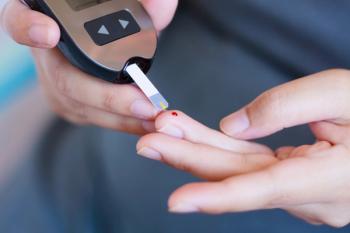
Results of a meta-analysis are detailing the current risk prediabetes poses on the cardiovascular health and overall well-being of patients.

Chronic kidney disease and kidney failure represent the most common comorbidities for patients hospitalized with COVID-19 infections.

New research from the University of Georgia found private insurance was associated with a greater frequency of bariatric surgery and lower cost of surgery than public insurance.

An analysis examining 5 decades of data is shedding light on mortality trends in diabetic patients from 1970-2016.

New research is seeking to update previous analyses examining the cardiovascular and renal benefits of GLP-1 receptor agonists and SGLT2 inhibitors in patients with type 2 diabetes.

An analysis of 3 major prospective studies suggests consuming whole grain foods was associated with a lower rate of type 2 diabetes.
New research suggests the 24-hour changes in gut microbiome profile could help predict risk of type 2 diabetes.

New research shows patients with both conditions have greater levels of particular cytokines and metabolic proteins.
A systematic review and network meta-analysis is comparing 9 classes of therapies for HbA1c and risk management in patients with low versus increased cardiovascular risk.

New research from an analysis of the Swedish Medical Birth Registry suggests women experience preterm delivery were at an increased risk of developing ischemic heart disease later in life.

A new study found newly diagnosed type 2 diabetics who develop heart failure had the highest risk of death versus patients with other CVDs or chronic kidney disease.
The COVID-19 pandemic accelerated plans to make changes within their electronic health record system for a trio of Saint Louis University doctors.

New research from ARVO 2020 suggests patients with diabetic eye disease can still experiences losses in visual acuity, even with glycemic control.

New research suggests signs a person may be more susceptible to type 2 diabetes later in life are visible in children as young as 8 years old.

The FDA's approval of insulin lispro-aabc injection is based on the results of 2 phase 3 trials—PRONTO-T1D and PRONTO-T2D.

Both type 1 and type 2 diabetics now have an additional insulin option available to them in the form of insulin lispro-aabc injection (Lyumjev) 100 units/mL and 200 units/mL.
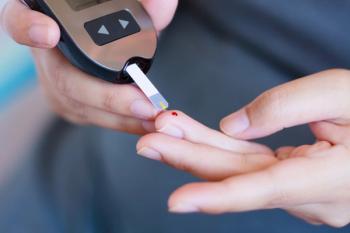
A pooled analysis of 5 PIONEER trials presented by John Buse, MD, at ADA 2020 is shedding new light on the impact of oral semaglutide based on background glucose-lowering therapy.

Women with recent gestational diabetes who use the intervention see less retention of weight than those who do not use the intervention.

An analysis of data from 5 PIONEER trials is shedding new light on the impact of oral semaglutide based on background glucose-lowering therapy.