
































































Data from a group of type 1 diabetics from a diabetes center in Italy suggests time off work and in lockdown could have been helped some patients improve glycemic control.
Data from a group of type 1 diabetics from a diabetes center in Italy suggests time off work and in lockdown could have been helped some patients improve glycemic control.

Research presented at EASD 2020 provides an updated estimate of the life years lost as a result of type 1 and type 2 diabetes, respectively, among patients in the UK.

A study from EASD 2020 found type 1 diabetes was associated with a 33% increase in risk of falls while type 2 diabetes was associated with a 19% increase in risk.

A study from EASD 2020 suggests patients with RA could be at a nearly 25% increase in risk of developing type 2 diabetes later in life.

New research suggests children treated with high-doses of oral glucocorticoids could be at a greater risk of diabetes, hypertension, and venous thromboembolism.

Analysis of data from a European aging study suggests feeling lonely was linked to an increased risk of developing diabetes in older adults.

An analysis of more than 1100 children suggests those born to mothers with gestational diabetes mellitus were at increased risk of accelerated aging.

Data from more than 4500 diabetics suggest CAC was better at predicting CVD and all-cause mortality in women than in men.

An interview examining the use of coronary artery calcium scores for predicting CV events and stroke risk in real-world settings.

A study from ESC Congress 2020 dove deeper into associations between specific biomarkers and risk of CV events in CAD patients with and without diabetes.

Melissa Young, MD, offers perspective on the push to create cardiometabolic fellowships versus making endocrinology a more desirable field.
An analysis from ESC Congress 2020 is shedding further light on the effects of dulaglutide in patients with and without background metformin use.
Full results of DAPA-CKD further inform clinicians on dapagliflozin and use of SGLT2 inhibitors in those with and without diabetes.

At recommended adherence rates, automatic AI screening technology for diabetic retinopathy is a preferred strategy over conventional eye care professional screening.

An ESC Congress 2020 study details the predictive value of galectin-3 levels for predicting risk of cardiovascular events in patients with type 2 diabetes
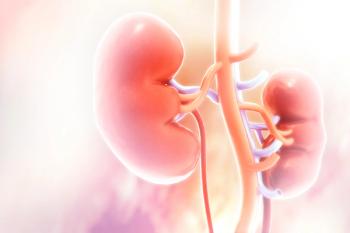
A podcast featuring the presenter of DAPA-CKD discussing results of the trial and how they inform use of dapagliflozin in patients with chronic kidney disease with and without type 2 diabetes.

For patients without diabetes, low serum bicarbonate and higher high sensitivity troponin T, NTproBNP, and urine NGAL were linked to a higher risk of the composite outcome.

A podcast featuring the lead investigator of a recent study examining impact of metabolic syndrome on COVID-19 outcomes in a pair of New Orleans-based hospitals.

Investigators report on a post-hoc analysis of the EMPA-REG OUTCOME trial that assesses the efficacy of the SGLT-2 inhibitor in patients with obstructive sleep apnea.

The new equation model has shown to be more accurate than the Framingham Lifetime Risk equation and Pooled Cohort Equation.

A look at the state of insulin affordability in 2020 and how the ongoing pandemic has impacted the situation.

The MiniMed 770G becomes the first system to receive approval for children in this age group.
New data shows that high BMI individuals who were in the lowest polygenic score quintile had a 5-fold greater risk of diabetes than those with low BMI and a high polygenic score.
Analysis of the UK Biobank cohort details associations between increased HbA1c levels and risk of myocardial infarction in patients regardless of sex.

Dapagliflozin and empagliflozin are shown to minimize CV events in patients with heart failure and a reduced ejection fraction.