

Stephen Greene, MD, and Muthiah Vaduganathan, MD, MPH, break down CARDIO-TTRansform and the new 2026 ESC heart failure guidelines.
Stephen Greene, MD, is an associate professor of medicine at Duke University School of Medicine and cardiologist at the Duke Clinical Research Institute in Durham, NC. Greene is a member of HCPLive's advisory board and co-host of Don't Miss a Beat, a podcast presented by Inside Cardiology.
Stephen Greene, MD, and Muthiah Vaduganathan, MD, MPH, break down CARDIO-TTRansform and the new 2026 ESC heart failure guidelines.
In the final episode, ‘Hypercortisolism Recognition and Action in Resistant Hypertension,’ the panelists explored key takeaways from their discussion on the evolving role of hypercortisolism in resistant hypertension and cardiometabolic disease.
In this episode, ‘The Future of Hypercortisolism Care in Cardiology,’ the panelists explore how increasing awareness of hypercortisolism may reshape cardiovascular practice, education, and multidisciplinary care models.
This episode, titled ‘Emerging Therapies for Hypercortisolism,’ features panelists discussing the evolving treatment landscape for hypercortisolism and the growing body of research aimed at improving outcomes for patients with resistant hypertension, diabetes, and other cardiometabolic complications.
In ‘Management and Treatment Goals in Hypercortisolism,’ our panel explores practical approaches to managing patients with hypercortisolism-associated hypertension following diagnosis and discusses the importance of addressing the underlying cause of disease.
In this episode, ‘Hypercortisolism Insights from MOMENTUM and CATALYST Trials,’ the panelists explore the design, findings, and clinical implications of the MOMENTUM and CATALYST studies and discuss how emerging evidence is reshaping the understanding of hypercortisolism in resistant hypertension and difficult-to-control type 2 diabetes.
This episode, titled ‘Guidelines and Barriers to Hypercortisolism Screening in Cardiology,’ features panelists discussing how recent clinical evidence and updated expert recommendations may influence the recognition and screening of hypercortisolism in patients with resistant hypertension and cardiovascular disease.
In ‘Hypercortisolism Screening in Cardiology Practice,’ our panel explores the evolving role of cardiologists in identifying patients at risk for hypercortisolism and initiating appropriate screening evaluations.
In this episode, ‘Hypercortisolism and Other Secondary Causes of Hypertension,’ the panelists explore how cardiologists should think about hypercortisolism in the context of other secondary causes of hypertension, particularly primary aldosteronism.
This episode, titled ‘Recognizing Hypercortisolism in Cardiovascular Practice,’ features panelists discussing the patient presentations that should raise suspicion for underlying hypercortisolism in patients with hypertension and cardiovascular disease.
In ‘Prevalence of Hypercortisolism in Resistant Hypertension,’ our panel explores the growing recognition of hypercortisolism as an important contributor to resistant hypertension, cardiovascular disease, and cardiometabolic dysfunction.
In, ‘Hypercortisolism as a Driver of Hypertension and Cardiovascular Risk’, panelists will continue their discussion on hypercortisolism and highlight how cortisol excess can contribute to hypertension and cardiovascular risk even in the absence of classic Cushing syndrome features. They also explore emerging evidence linking hypercortisolism to adverse cardiometabolic outcomes and the implications for cardiovascular practice.
In this episode, ‘The Challenge of Resistant Hypertension,’ features the panelists discussing persistent barriers to blood pressure control, evolving hypertension management strategies, and the importance of recognizing secondary causes of resistant hypertension. They also explore how missed opportunities for diagnosis may contribute to ongoing cardiovascular risk in clinical practice.
Phase 3 FIND-CKD data show finerenone slows kidney function decline in non-diabetic chronic kidney disease, extending the agent's role beyond diabetic CKD.

Hosts break down the latest updates in mineralocorticoid receptor agonists, including the SPIRIT-HF trial and announcements from the finerenone program.
Greene discusses his recent study highlighting the limitations of quadruple therapy in reducing mortality and hospitalization rates among patients with HFrEF.
GLP-1 receptor agonists revolutionize treatment in cardiology, offering new hope for heart failure and related conditions beyond weight loss.
This set of interviews collects perspectives from 11 leading clinicians in the heart failure field, cataloguing the biggest news from 2025.
Explore the evolving landscape of heart failure endpoints, focusing on the significance of oral diuretic intensification in outpatient care.

Cohosts Stephen Greene, MD, and Muthiah Vaduganathan, MD, MPH, sit down with Javed Butler, MD, to discuss the results of this major trial.
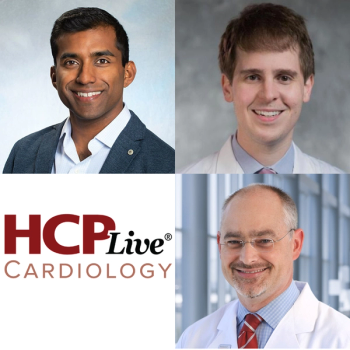
Cohosts Stephen Greene, MD, and Muthiah Vaduganathan, MD, MPH, sit down with Darren McGuire, MD, to discuss the results of this groundbreaking trial.
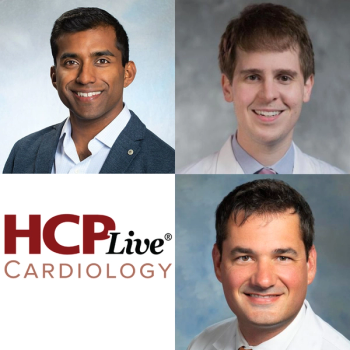
Panelists discuss differentiators between nsMRA and steroidal MRAs in the context of heart failure.
Panelists offer perspective on the role of finerenone in combination therapy approaches in patients with HFmrEF/HFpEF.
Finerenone's FDA approval marks a transformative step in heart failure treatment, offering early benefits and broad applicability.
Finerenone's FDA approval marks a breakthrough in heart failure treatment, significantly reducing cardiovascular events and hospitalizations for patients.

From barriers to implementing evidence-based care to innovations in combination therapy, here are 5 key updates from the annual meeting.
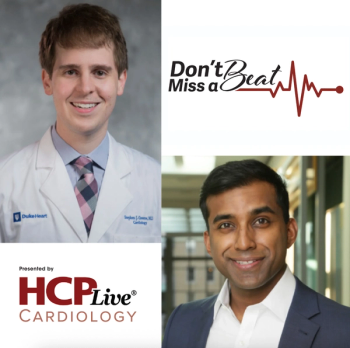
Hosts break down data from the CONFIDENCE trial on the safety and efficacy of finerenone plus empagliflozin in patients with T2D and CKD.
Hosts explore the latest advancements in amyloidosis treatment, with expert insights on emerging therapies and patient care strategies.
Hosts discuss how recent advances in HFpEF have changed discussions surrounding how cardiologists should approach treatment sequencing.
Hosts break down the STRIDE and SOUL trial results and reflect on how they might inform treatment strategies in the respective patient populations.
February 10th 2023
September 16th 2022

