

Opinion|Videos|July 7, 2026
Guidelines and Barriers to Hypercortisolism Screening in Cardiology
This episode, titled ‘Guidelines and Barriers to Hypercortisolism Screening in Cardiology,’ features panelists discussing how recent clinical evidence and updated expert recommendations may influence the recognition and screening of hypercortisolism in patients with resistant hypertension and cardiovascular disease.
Advertisement
Episodes in this series
This episode, titled ‘Guidelines and Barriers to Hypercortisolism Screening in Cardiology,’ features panelists discussing how recent clinical evidence and updated expert recommendations may influence the recognition and screening of hypercortisolism in patients with resistant hypertension and cardiovascular disease. Expert cardiology faculty examine the implications of the 2026 AACE Consensus Statement, which highlights cortisol excess as a potential contributor to difficult-to-control cardiometabolic conditions and encourages consideration of hypercortisolism in appropriate patients.
The panel explores how emerging data have reshaped their understanding of hypercortisolism and discuss why screening for cortisol excess may warrant greater attention in cardiovascular practice. They consider the role cardiologists can play in identifying patients with resistant hypertension who may benefit from further evaluation and reflect on the growing evidence supporting routine consideration of hypercortisolism in this population.
Throughout the discussion, the panelists address practical barriers that may limit broader adoption of screening strategies, including awareness gaps, competing clinical priorities, and uncertainty regarding responsibility for diagnosis and management. The expert faculty emphasize that initial screening can be straightforward and discuss opportunities to improve implementation through clinician education, patient awareness initiatives, and integration of screening prompts into clinical workflows.
The panel of experts also highlights the importance of collaboration between cardiology, primary care, and endocrinology to ensure that patients with suspected hypercortisolism are identified and appropriately evaluated. By focusing on both evidence-based recommendations and real-world implementation challenges, the discussion provides practical insights into how screening practices may evolve as awareness of hypercortisolism continues to grow.
In the next episode, ‘Hypercortisolism Insights from MOMENTUM and CATALYST Trials’, panelists will discuss key findings from the MOMENTUM and CATALYST studies and explore how hypercortisolism may contribute to resistant hypertension and difficult-to-control type 2 diabetes. They will highlight emerging evidence supporting targeted treatment approaches and the potential role of precision medicine in improving cardiometabolic outcomes.
Advertisement
Related to this article
Nephrology in Q3 2026: FDA approvals for atacicept, iptacopan, finerenone, and obinutuzumab, plus 2-year IgAN data and CKD screening.
Q3 2026 dermatology recap: FDA approvals in dermatomyositis, adolescent alopecia areata, and sBCC, plus new psoriasis and vitiligo findings.
Approved US PFIC drugs treat pruritus. The researcher behind a therapy targeting BSEP on diagnosis, data, and what comes next.
Florence Schleich, MD, PhD, explains how exacerbation phenotypes and useful biomarkers shift across anti-IL-5, anti-IL-5R, and anti-TSLP therapies.
Hematology in September 2026: ASH raises ferritin thresholds for iron deficiency, plus marstacimab in hemophilia and curative SCD care.
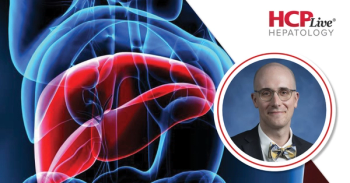
Strong recommendations cover carvedilol or banding for varices, semiannual HCC surveillance, vaccines, and smoking cessation.

April Armstrong, MD, MPH, discusses 1-year RELIEVE-AD-PEDs data on rapid, sustained dupilumab disease control in adolescents with atopic dermatitis.
Physicians and patients cited perceived mild severity as the top reason for leaving HAE attacks untreated in a recent Adelphi survey.
Advertisement
Advertisement
Trending on HCPLive
1
RELIEVE-AD-PEDs: Dupilumab Sustains Adolescent Atopic Dermatitis Control at 1 Year
2
Conservative Therapy in Fibrillary GN: A Four-Drug Kidney-Protective Approach
3
The Benefits and Limits of Enlicitide, With Ninel Hovnanians, MD
4
Top Reason for Leaving HAE Attacks Untreated, Survey Finds
5