
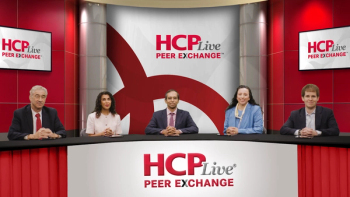
In the final episode, ‘Hypercortisolism Recognition and Action in Resistant Hypertension,’ the panelists explored key takeaways from their discussion on the evolving role of hypercortisolism in resistant hypertension and cardiometabolic disease.
In the final episode, ‘Hypercortisolism Recognition and Action in Resistant Hypertension,’ the panelists explored key takeaways from their discussion on the evolving role of hypercortisolism in resistant hypertension and cardiometabolic disease.
In this episode, ‘The Future of Hypercortisolism Care in Cardiology,’ the panelists explore how increasing awareness of hypercortisolism may reshape cardiovascular practice, education, and multidisciplinary care models.
This episode, titled ‘Emerging Therapies for Hypercortisolism,’ features panelists discussing the evolving treatment landscape for hypercortisolism and the growing body of research aimed at improving outcomes for patients with resistant hypertension, diabetes, and other cardiometabolic complications.
In ‘Management and Treatment Goals in Hypercortisolism,’ our panel explores practical approaches to managing patients with hypercortisolism-associated hypertension following diagnosis and discusses the importance of addressing the underlying cause of disease.
In this episode, ‘Hypercortisolism Insights from MOMENTUM and CATALYST Trials,’ the panelists explore the design, findings, and clinical implications of the MOMENTUM and CATALYST studies and discuss how emerging evidence is reshaping the understanding of hypercortisolism in resistant hypertension and difficult-to-control type 2 diabetes.
This episode, titled ‘Guidelines and Barriers to Hypercortisolism Screening in Cardiology,’ features panelists discussing how recent clinical evidence and updated expert recommendations may influence the recognition and screening of hypercortisolism in patients with resistant hypertension and cardiovascular disease.
In ‘Hypercortisolism Screening in Cardiology Practice,’ our panel explores the evolving role of cardiologists in identifying patients at risk for hypercortisolism and initiating appropriate screening evaluations.
In this episode, ‘Hypercortisolism and Other Secondary Causes of Hypertension,’ the panelists explore how cardiologists should think about hypercortisolism in the context of other secondary causes of hypertension, particularly primary aldosteronism.
This episode, titled ‘Recognizing Hypercortisolism in Cardiovascular Practice,’ features panelists discussing the patient presentations that should raise suspicion for underlying hypercortisolism in patients with hypertension and cardiovascular disease.
In ‘Prevalence of Hypercortisolism in Resistant Hypertension,’ our panel explores the growing recognition of hypercortisolism as an important contributor to resistant hypertension, cardiovascular disease, and cardiometabolic dysfunction.
In, ‘Hypercortisolism as a Driver of Hypertension and Cardiovascular Risk’, panelists will continue their discussion on hypercortisolism and highlight how cortisol excess can contribute to hypertension and cardiovascular risk even in the absence of classic Cushing syndrome features. They also explore emerging evidence linking hypercortisolism to adverse cardiometabolic outcomes and the implications for cardiovascular practice.
In this episode, ‘The Challenge of Resistant Hypertension,’ features the panelists discussing persistent barriers to blood pressure control, evolving hypertension management strategies, and the importance of recognizing secondary causes of resistant hypertension. They also explore how missed opportunities for diagnosis may contribute to ongoing cardiovascular risk in clinical practice.
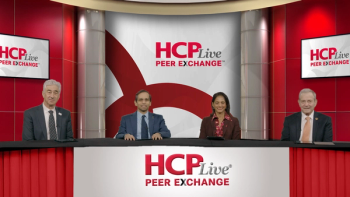
In the final episode, ‘Risk-Based Management in Hypercortisolism,’ the panelists explored how to approach hypercortisolism management in the absence of widely accessible, targeted therapies, emphasizing a risk-based treatment paradigm.
In ‘Emerging Therapies in Hypercortisolism,’ our panel explores the evolving therapeutic landscape for hypercortisolism and the future direction of treatment development.
In this episode, ‘Hypercortisolism and Cardiovascular Risk Management,’ the panelists explore the broader implications of hypercortisolism on cardiovascular risk and the role of cardiologists in comprehensive patient management.
This episode, titled ‘Hypercortisolism Treatment and Care Pathways,’ features panelists discussing the management of hypercortisolism following diagnosis, with a focus on the roles of cardiologists and endocrinologists in coordinating care.
In ‘Hypertension Management in Hypercortisolism,’our panel explores the clinical implications of emerging data on hypercortisolism and outline a forward-looking approach to hypertension management.
In this episode, ‘Hypercortisolism and Guideline Implications,’ the panelists explore the implications of emerging hypercortisolism data for clinical guidelines and routine cardiovascular practice.
This episode, titled ‘Recognizing Hypercortisolism in Cardiology,’ features panelists discuss the clinical implications of emerging hypercortisolism data for cardiologists and how these findings should influence everyday practice.
In ‘Hypercortisolism Hidden in Resistant Hypertension,’ our panel explored the design, findings, and clinical implications of the MOMENTUM study, a large, multicenter trial evaluating the prevalence of hypercortisolism in patients with resistant hypertension.
In this episode, ‘Hypercortisolism and Difficult to Control Diabetes,’ the panelists explore the relationship between hypercortisolism and difficult-to-control diabetes, highlighting the role of excess cortisol as a key driver of metabolic dysfunction.
This episode, titled ‘Hypercortisolism in Resistant Diabetes and Cardiometabolic Disease,’ features panelists expanding the discussion of hypercortisolism beyond hypertension to include patients with poorly controlled or “resistant” diabetes, highlighting another high-risk population where cortisol excess may be underrecognized.
In ‘Evolving Hypercortisolism Screening and Diagnosis,’ our panel explored how emerging evidence is reshaping the approach to screening and diagnosing hypercortisolism in cardiovascular practice.
This episode explores how hypercortisolism extends beyond classic Cushingoid features, highlighting its variable presentation and role as a continuum of cortisol-driven cardiometabolic disease that is often underrecognized in clinical practice.
The panel discusses how hypercortisolism presents variably beyond classic Cushingoid features, emphasizing it as a spectrum of metabolic dysfunction with serious cardiovascular and systemic impacts.
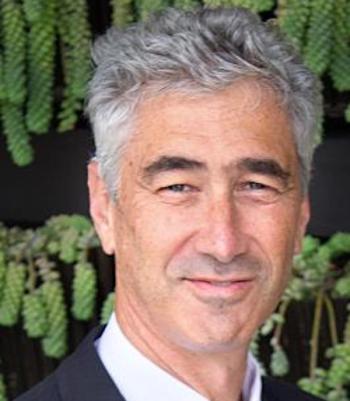
Budoff suggests monitoring serum lipoproteins like Lp(a) and ApoB to predict cardiovascular disease risk in patients with no conventional indicators.
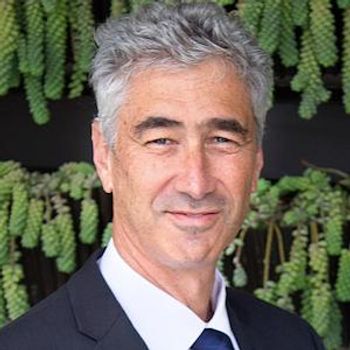
Matthew J. Budoff, MD discusses the effects of obesity and cardiometabolic complications in the contemporary management of type 1 diabetes.

Drs Paul S. Jellinger, Erin D. Michos, Matthew J. Budoff, Christie Ballantyne, and Yehuda Handelsman share closing thoughts and advice for the management of ASCVD and hypercholesterolemia.
Experts in endocrinology and cardiology review novel agents in the pipeline for the management of hypercholesterolemia and ASCVD.
Erin D. Michos, MD, MHS, leads a discussion on selecting the appropriate patient populations for the use of bempedoic acid when managing atherosclerotic cardiovascular disease (ASCVD) and hypercholesterolemia.
