
Experts discuss groundbreaking innovations in cardiovascular disease prevention, highlighting personalized medicine and new therapies for effective treatment.
Experts discuss groundbreaking innovations in cardiovascular disease prevention, highlighting personalized medicine and new therapies for effective treatment.
Engaging patients in their treatment journey enhances adherence to therapies, ultimately improving health outcomes and managing cholesterol effectively.
Explore the barriers to PCSK9 inhibitors, their underuse, and how addressing misconceptions can enhance patient outcomes in cholesterol management.
Experts discuss evolving strategies in atherosclerosis prevention, emphasizing early intervention and the importance of cholesterol monitoring for better patient outcomes.
Experts discuss innovative strategies for managing statin-intolerant patients, highlighting new therapies and the importance of individualized care.
Experts discuss innovative strategies for managing statin-intolerant patients, highlighting new therapies and the importance of individualized care.
Healthcare professionals discuss strategies for effectively lowering LDL cholesterol in patients post-cardiac events, emphasizing early intervention and tailored therapies.
Healthcare professionals explore effective strategies for LDL cholesterol management, emphasizing patient involvement and innovative therapies for optimal outcomes.
A groundbreaking trial reveals the effectiveness of aggressive LDL lowering in high-risk patients, showcasing significant improvements in cholesterol management.
Discover the critical importance of early LDL lowering with PCSK9 inhibitors to reduce cardiovascular risks and improve patient outcomes.
Explore the mechanisms and differences between PCSK9 inhibitors, including monoclonal antibodies and siRNA, in lowering LDL cholesterol effectively.
Experts discuss barriers to effective lipid-lowering therapy, emphasizing the need for systematic approaches and early combination treatments to improve patient outcomes.
This program brings together leading experts to discuss evolving strategies for reducing recurrent cardiovascular risk in patients with ASCVD, emphasizing the importance of cumulative LDL-C exposure and the need for earlier, more intensive lipid lowering. The panel explores current guidelines, emerging data from recent trials, and practical approaches to integrating PCSK9-targeting therapies to improve long-term adherence, access, and outcomes in secondary prevention
This program brings together leading experts to discuss evolving strategies for reducing recurrent cardiovascular risk in patients with ASCVD, emphasizing the importance of cumulative LDL-C exposure and the need for earlier, more intensive lipid lowering. The panel explores current guidelines, emerging data from recent trials, and practical approaches to integrating PCSK9-targeting therapies to improve long-term adherence, access, and outcomes in secondary prevention
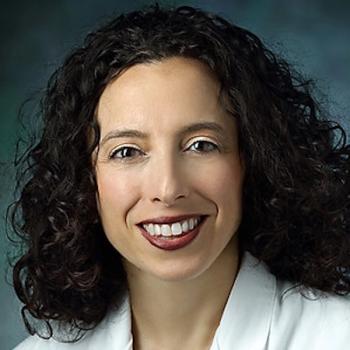
Michos discusses framing obesity as hyperandrogenism, with reductions in estrogen production contributing to higher visceral adiposity.
Panelists discuss how effective cardiovascular risk management requires comprehensive screening for both LDL-C and Lp(a), along with aggressive treatment strategies for high-risk patients.
Panelists discuss how multiple systemic barriers impede optimal LDL-C control, including clinical inertia, patient adherence challenges, insurance restrictions, and the removal of key quality measures.
Panelists discuss how the CLEAR-outcomes trial demonstrated bempedoic acid’s efficacy in primary prevention of cardiovascular events, informing its clinical implementation for patients with statin intolerance or inadequate LDL-C control.
Panelists discuss how newer nonstatin therapies, such as PCSK9 inhibitors (inclisiran, alirocumab, evolocumab) and bempedoic acid, offer additional options for LDL-C reduction and cardiovascular risk management.
Panelists discuss how the SPORT trial demonstrated the limited efficacy of dietary supplements compared with traditional lipid-lowering therapies in reducing LDL-C levels.
Panelists discuss how the International Lipid Expert Panel advocates for combination therapy as initial treatment in patients with elevated LDL-C and very high cardiovascular risk rather than sequential monotherapy.
Panelists discuss how statin therapy can be initiated in children with familial hypercholesterolemia as early as 8 to 10 years old, following careful evaluation and lifestyle interventions.
Panelists discuss how analysis of the Family Heart Foundation’s database provides insights into real-world LDL-C control rates among patients with ASCVD, highlighting opportunities for improved lipid management.
Panelists discuss how Lp(a), a distinct lipoprotein particle from LDL, independently contributes to ASCVD risk through its unique structural properties and atherogenic potential.
Panelists discuss how screening for familial hypercholesterolemia should be initiated based on elevated LDL-C levels, family history of premature cardiovascular disease, and characteristic physical findings.
Panelists discuss how LDL-C management strategies must be carefully adapted for patients with immunodeficiencies, considering their unique health challenges and potential treatment interactions.
Panelists discuss how LDL-C management strategies must be tailored for specific patient subgroups based on factors such as age, comorbidities, genetic predisposition, and cardiovascular risk levels.
Panelists discuss how comprehensive lipid assessment should include VLDL, HDL, triglycerides, and relevant ratios as they provide valuable insights into cardiovascular risk beyond LDL-C measurements alone.
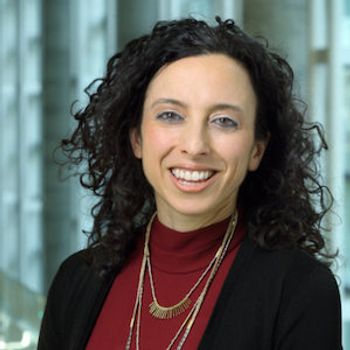
Erin Michos, MD examines unique HFpEF mechanisms for women and implications for sex-specific treatment.
Panelists discuss how the DCRM 2.0 practice recommendations provide comprehensive guidance for lipid testing frequency and LDL-C management targets in patients with diabetes and cardiorenal conditions.

September 7th 2023
November 27th 2023
September 14th 2023
