Ahmad Masri, MD, MS, discusses his presentation of the full results of the ACACIA-HCM trial at the ESC Congress 2026.

Ahmad Masri, MD, MS, is the director of the Hypertrophic Cardiomyopathy Center at Oregon Health and Science University.
Ahmad Masri, MD, MS, discusses his presentation of the full results of the ACACIA-HCM trial at the ESC Congress 2026.
Ahmad Masri, MD, from OHSU, discusses the positive topline results from this phase 3 trial, highlighting a new path forward for nHCM.

Maron and Masri define the ongoing role of surgical myectomy and alcohol septal ablation in the myosin inhibitor era and preview emerging trials of aficamten in nonobstructive HCM.
Maron and Masri discuss whether myosin inhibitors, particularly aficamten, should be considered first-line therapy for symptomatic obstructive HCM in treatment-naive patients, in light of data from trials like MAPLE-HCM.
Maron and Masri review pivotal phase 3 trials of mavacamten and aficamten and explain how efficacy and systolic function monitoring shaped their respective REMS programs.
Maron and Masri introduce cardiac myosin inhibitors—mavacamten and aficamten—explaining their sarcomere-level mechanism and the rationale for targeting hypercontractility in obstructive HCM.
Maron and Masri review decades of experience with beta-blockers, calcium channel blockers, disopyramide, and septal reduction therapies, underscoring persistent under-treatment and the unmet need that set the stage for myosin inhibitors.
In this opening segment, Martin (Marty) Maron, MD, and Ahmed Masri, MD, PA-C, introduce the discussion and frame obstructive hypertrophic cardiomyopathy (HCM) as the central focus, emphasizing outflow tract gradients as the key driver of symptoms.
An exploratory analysis of the ATTRibute-CM trial spotlighted acoramidis’s superior efficacy in lowering CVD-related risks versus placebo.

This set of interviews collects perspectives from 11 leading clinicians in the heart failure field, cataloguing the biggest news from 2025.

Panelists discuss how future clinical trials in transthyretin amyloid cardiomyopathy (ATTR-CM) should focus on incorporating mechanistic research, patient stratification, and diverse end points, while also including nonresponders to current therapies to better understand cardiac dysfunction and develop more personalized treatment strategies.
Panelists discuss how monitoring clinical indicators, cardiac imaging, biomarkers, and functional assessments—such as NT-proBNP, troponin, and the 6-minute walk test—helps detect progression in transthyretin amyloid cardiomyopathy (ATTR-CM), allowing for early intervention and optimal disease management.
Panelists discuss how long-term monitoring in transthyretin amyloid cardiomyopathy (ATTR-CM) involves regular clinical assessments, imaging studies, and biomarker evaluations—such as NT-proBNP, troponin, and TTR testing—to track disease progression, manage complications, and optimize patient outcomes.
Panelists discuss how challenges in implementing newer agents for transthyretin amyloid cardiomyopathy (ATTR-CM), such as access issues, high costs, patient adherence, and provider familiarity, can be addressed through strategies like insurance advocacy, financial assistance programs, patient education, and ongoing professional development.
Panelists discuss how selecting the appropriate treatment for patients with transthyretin amyloid cardiomyopathy (ATTR-CM) involves considering factors such as disease stage, treatment goals, patient characteristics, comorbidities, and preferences, with options such as tafamidis, acoramidis, and silencer therapies offering tailored approaches to manage disease progression and improve outcomes.
Panelists discuss how the approval of vutrisiran for transthyretin amyloid cardiomyopathy (ATTR-CM), based on positive results from the HELIOS-B trial, provides a significant therapeutic option by reducing TTR levels and improving clinical outcomes, alongside supportive findings from other key trials such as ATTR-ACT and ATTRibute-CM.
Panelists discuss how the current treatment landscape for transthyretin amyloid cardiomyopathy (ATTR-CM) includes transthyretin stabilizers and silencers, with key trials such as ATTRibute-CM and ATTR-ACT showing promising results for improving cardiac function and patient outcomes.

Hosts explore the latest advancements in amyloidosis treatment, with expert insights on emerging therapies and patient care strategies.
Panelists discuss how treating patients with transthyretin amyloid cardiomyopathy (ATTR-CM) is challenging due to delayed diagnosis, disease heterogeneity, limited treatment options, multisystem involvement, genetic counseling needs, advanced organ damage, and patient adherence issues.
Panelists discuss how referring patients with transthyretin amyloid (ATTR) to a specialty center or center of excellence ensures expert diagnosis, comprehensive care, advanced treatment options, and essential genetic counseling and family screening for improved outcomes.
Panelists discuss how early diagnosis of transthyretin amyloid cardiomyopathy (ATTR-CM) relies on clinical awareness, recognizing red flag symptoms, and utilizing tools such as bone scintigraphy (PYP scan), genetic testing, and advanced cardiac imaging, which can lead to timely interventions, improved prognosis, and better patient outcomes.
Panelists discuss how diagnosing transthyretin amyloid cardiomyopathy (ATTR-CM) and transthyretin amyloid polyneuropathy (ATTR-PN) involves recognizing key differences in organ involvement, with ATTR-CM primarily affecting the heart and ATTR-PN impacting the nervous system, and emphasize the importance of tailored diagnostic approaches using genetic testing, imaging, and biopsies for accurate identification and treatment.
Panelists discuss how early clinical suspicion, genetic testing, cardiac biomarkers, and imaging techniques are crucial for diagnosing transthyretin amyloid cardiomyopathy (ATTR-CM), while also highlighting challenges such as common misdiagnoses and delayed diagnoses, which can significantly impact patient outcomes and quality of life.
Panelists discuss how recognizing key clinical manifestations and red flag symptoms, such as bilateral carpal tunnel syndrome, spinal stenosis, and trigger fingers, is critical for early diagnosis and intervention in patients with transthyretin amyloid cardiomyopathy (ATTR-CM), particularly in those with unexplained heart failure or arrhythmias.
Panelists discuss how identifying the most common TTR gene mutations, including V30M, T60A, and V122I, is essential for accurate diagnosis, understanding clinical presentations, and tailoring treatment strategies for hereditary transthyretin amyloidosis in the United States.
Panelists discuss how differentiating between wild-type transthyretin amyloid cardiomyopathy (wATTR-CM) and hereditary transthyretin amyloid cardiomyopathy (hATTR-CM) is essential for accurate diagnosis, tailored treatment strategies, and better management of patient outcomes, given their distinct pathophysiologies, disease progression, and treatment options.
Panelists discuss how differentiating between light chain amyloidosis and transthyretin amyloidosis is crucial for accurate diagnosis, appropriate treatment selection, and optimal patient management, given their distinct etiologies, therapeutic approaches, and prognoses.
Panelists discuss how increasing recognition of transthyretin amyloid cardiomyopathy (ATTR-CM), fueled by advancements in diagnostic tools and greater awareness, is challenging its classification as a rare disease, particularly in aging populations, and emphasizing the need for earlier diagnosis and intervention.
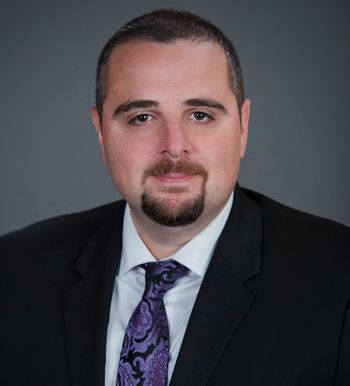
Ahmad Masri, MD, MS, discusses how new options change the historic approach to the treatment of newly diagnosed ATTR-CM.
Ahmad Masri, MD, MS, discusses data detailing the effects of aficamten in oHCM from the FOREST-HCM OLE study at ACC.25.