
Fonseca discusses substantially lower persistence and adherence with GLP-1s in real-world practice, highlighting methods for clinicians to address this.

Vivian Fonseca, MD, is professor of medicine, assistant dean for clinical research, and the Tullis-Tulane Alumni Chair in Diabetes at Tulane University School of Medicine.
Fonseca discusses substantially lower persistence and adherence with GLP-1s in real-world practice, highlighting methods for clinicians to address this.
Vivian Fonseca, MD, explains data showing nearly half of patients with T2D discontinued GLP-1 therapy within 1 year, reducing their likelihood of achieving weight loss and HbA1c goals.
Fonseca explains the structure and goals of the ongoing trial, which has enrolled its first patient to clofutriben treatment against hard-to-control T2D.
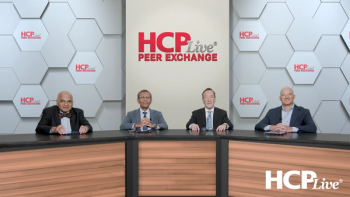
Panelists discuss how improving adherence requires both individual strategies like smartphone reminders and smart medication monitoring devices, as well as population-level interventions including reducing sodium content in processed foods and harmonizing hypertension guidelines to address the epidemic of poorly controlled blood pressure.
Panelists discuss how newer therapies will likely be incorporated into guidelines with improved reimbursement structures over time, similar to the evolution seen with lipid-lowering medications, making advanced treatments more accessible for patients with uncontrolled blood pressure.
Panelists discuss how follow-up strategies should include monthly visits initially with more frequent monitoring for high-risk situations, emphasizing home blood pressure monitoring and utilizing team-based care approaches with optimal visit intervals of 4 to 6 weeks to avoid both therapeutic inertia and overadjustment.
Panelists discuss how shared decision-making requires explaining the rationale for blood pressure control, addressing patient fears about medications, and utilizing newer drug classes like endothelin receptor antagonists that offer a “clean slate” approach for patients who have had negative experiences with traditional therapies.
Panelists discuss how medication reduction is occasionally possible in well-controlled patients over time, particularly with diuretics when sodium intake decreases or calcium channel blockers to reduce edema, while being cautious about maintaining adequate blood pressure control and avoiding drugs that worsen kidney function.
Panelists discuss how aggressive blood pressure targets below 130 mm Hg (preferably 120 mm Hg) should be pursued in most resistant hypertension patients using combination therapies, while individualizing goals based on patient age, tolerability, and comorbidities.
Panelists discuss how to sequence fourth-line treatments for resistant hypertension, with spironolactone remaining first choice for most patients with normal renal function, while newer endothelin receptor antagonists offer advantages for patients with chronic kidney disease or those intolerant to aldosterone antagonists.
Panelists discuss how the PRECISION trial subanalysis showed aprocitentan worked equally well in Black patients as in White patients, which is particularly important given the higher prevalence and complications of resistant hypertension in Black populations, with emphasis on adequate diuretic management to prevent peripheral edema.
Panelists discuss how the PRECISION trial demonstrated aprocitentan’s efficacy in lowering blood pressure by nearly 15 mm Hg within 4 weeks in resistant hypertension patients, including those with advanced chronic kidney disease, with durable effects and minimal adverse effects except for manageable peripheral edema.
Panelists discuss how endothelin receptor antagonism addresses resistant hypertension by blocking one of the most potent vasoconstrictors, reducing smooth muscle hypertrophy and fibrosis, with aprocitentan being the only endothelin receptor antagonist approved for resistant hypertension.
Panelists discuss how standard ACE therapy leaves multiple pathways unblocked in resistant hypertension, with spironolactone being the most evidence-based fourth-line therapy despite limitations, while emerging therapies target sympathetic nervous system overactivity, aldosterone excess, and endothelin-mediated vasoconstriction.
Panelists discuss how lifestyle modifications, particularly sodium restriction and plant-based diets, form the foundation of resistant hypertension management, with innovative approaches like teaching kitchens and food-as-medicine programs being more effective than traditional diet counseling.
Panelists discuss how patients with resistant hypertension should be referred to specialists after 3 to 6 months of unsuccessful treatment, emphasizing that while primary care providers can manage most hypertension cases, specialists with particular interest and experience are needed for complex cases.
Panelists discuss how resistant hypertension is defined as blood pressure remaining above 130/80 mm Hg despite 3 medications, including a diuretic, affecting 10% to 15% of hypertensive patients, and how to differentiate true resistance from pseudoresistance caused by adherence issues, improper measurement, white coat effect, and interfering medications.
Panelists discuss how their key takeaways emphasize the importance of having a high index of suspicion for hypercortisolism, implementing routine screening in appropriate patients and educating primary care physicians to recognize the “big 4” symptoms of difficult-to-treat diabetes, hypertension, obesity, and bone disease.
Panelists discuss how future research should focus on understanding why hypercortisolism is becoming more prevalent, developing more specific treatments with fewer adverse effects, and determining optimal thresholds for circadian rhythm dysfunction and treatment duration.
Panelists discuss how monitoring patients on hypercortisolism treatments requires balancing safety (morning cortisol to avoid overtreatment) with efficacy (late-night salivary cortisol) while acknowledging the practical challenges and evolving best practices in this field.
Panelists discuss how new data show osilodrostat’s expanded FDA approval for Cushing syndrome demonstrates long-term efficacy in maintaining normal urinary-free cortisol levels, though careful dosing is required to avoid overtreatment and withdrawal symptoms.
Panelists discuss how the CATALYST study results can be applied to clinical practice by identifying patients on multiple diabetes medications who have poor control, emphasizing that this represents precision medicine for a specific population with an identifiable underlying cause.
Panelists discuss how the CATALYST study’s treatment phase results demonstrated that mifepristone significantly reduced hemoglobin A1C (HbA1C) level by 1.45% in patients with hypercortisolism and difficult-to-control diabetes while also reducing waist circumference and managing blood pressure effects.
Panelists discuss how monitoring effectiveness requires tracking clinical parameters such as glucose and blood pressure rather than cortisol levels when using receptor antagonists while carefully managing expected adverse effects such as hypokalemia and the need for close glucose monitoring, especially in insulin-dependent patients.
Panelists discuss how medical management options include steroidogenesis inhibitors and glucocorticoid receptor antagonists such as mifepristone, with particular emphasis on managing the complex withdrawal symptoms and coordinating care across multiple comorbidities including diabetes, hypertension, and osteoporosis.
Panelists discuss how surgical removal of adrenal adenomas remains first-line treatment when feasible but that many patients require medical therapy due to bilateral disease, surgical ineligibility, or the chronic nature of pituitary Cushing syndrome, with high recurrence rates even after successful surgery.
Panelists discuss how the 1-mg dexamethasone suppression test has become the simple, first-line screening tool for hypercortisolism, replacing more complex tests such as salivary cortisol or 24-hour urine collections, with practical tips for implementation and patient education.
Panelists discuss how hypercortisolism differs from classic Cushing syndrome and how 35% of patients in the CATALYST study had adrenal imaging abnormalities, emphasizing the importance of distinguishing between pituitary-dependent and adrenal-independent sources to guide appropriate treatment strategies.
Panelists discuss how the CATALYST trial results revealed a surprisingly high 25% prevalence of hypercortisolism in patients with difficult-to-control diabetes, fundamentally changing their approach to screening and recognizing this previously underdiagnosed condition affecting an estimated 1.2 million Americans.
June 24th 2025
June 24th 2025