
A proof of concept trial examining spironolactone for heart failure prevention presented at HFSA 2019 found spironolactone use did reduce PIIINP or that its impact on PIIINP was mitigated by galectin-3.
Patrick Campbell is the editorial director of HCPLive. Patrick has spent years spearheading coverage surrounding cardiometabolic health and rheumatic disease for MJH Life Sciences. Before joining MJH Life Sciences in 2019, he spent time as a beat reporter and/or multimedia specialist with the Pocono Record, Star News Group, and NJ Advance Media. He is the executive producer for multiple HCPLive podcasts, including Diabetes Dialogue, Don't Miss a Beat, Kidney Compass, Medical Ethics Unpacked, The Medical Sisterhood, and Skin of Color Savvy.
Follow him on Twitter @RealPatCampbell or reach him via email at [email protected].
A proof of concept trial examining spironolactone for heart failure prevention presented at HFSA 2019 found spironolactone use did reduce PIIINP or that its impact on PIIINP was mitigated by galectin-3.

Results of the AMBER study, presented at HFSA 2019, found that patiromer can help improve spironolactone use while also reducing the prevalence of hyperkalemia.
A study presented at HFSA 2019 Scientific Sessions found that virtual visits were a feasible option that could reduce no-show rates among heart failure patients following hospitalization.

Fast Track designation comes about a month after dapagliflozin received another Fast Track designation for delaying the progression of renal failure and prevent CV and renal death in patients with chronic kidney disease
Albert Rizzo, MD, the chief medical officer of the American Language Association, answers questions about and discusses the dangers of vaping and e-cigarette use in the latest edition of the DocTalk Podcast.

A study from Brigham and Women's Hospital found asking clinicians if they would be surprised if older patients would die in the next month could save patients money on healthcare and improve quality of end-of-life care.
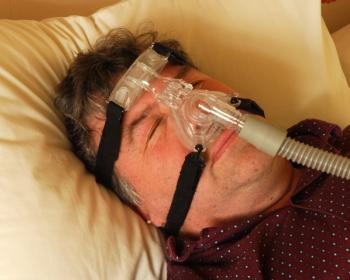
A recent analysis that included data on 284 patients found that more than 80% of patients with resistant hypertension also had obstructive sleep apnea.

A group of 370 leading healthcare organizations have sent a letter to congress in support of a bipartisan bill that would protect Medicare Advantage Beneficiaries from delays caused by prior authorizations.

A recent study found the lifetime risk of peripheral artery disease in black patients was around 30% while Hispanic and white patients had prevalence rates around 20%.
FDA announced the approval of the glucagon (Gvoke) injection for the treatment of severe hypoglycemic events in diabetic patients ages 2 and up on September 10.
A recent study found that 10% of the drugs and devices approved by the FDA during the study period were based on non-randomized clinical trials.

A recent study from investigators at the Rutgers Robert Wood Medical School found that rates of hypertension among pregnant women have spiked between 1970 and 2010.

Analysis of the FAST trial found that methotrexate performed better head-to-head than mycophenolate mofetil as a corticosteroid-sparing therapy.

Deepak Bhatt, MD, executive director of Interventional Cardiovascular Programs at Brigham and Women's Hospital, offers perspective on the THEMIS and THEMIS-PCI trials.

A study from the University of California San Francisco found that patients with HIV were at an 80% increased risk of suffering from atrial fibrillation.
Dhruv Kazi, MD, of Beth Israel Deaconess Medical Center, discusses a recent study he led into the cost-effectiveness of polypill and why we do not see the approach applied to cardiovascular disease in the US.
Suraj Kapa, MD, takes part in an episode of DocTalk where he discusses the results of a recent study he led and how to implement technology into cardiology in a way that benefits patients and physicians.
The inaugural episode of the DocTalk Podcast features a conversation about transcatheter aortic valve replacement with two cardiologists from Brigham and Women's Hospital.

A study from investigators at Beth Israel Deaconess Medical Center found that more intense hypertensive treatments did not result in added episodes of orthostatic hypotension.

A study from the AHA's Hypertension Scientific Sessions revealed first- and second-year medical students have a 2.4 higher risk of stage 2 hypertension compared to the general public.

A Q&A with Brett Carroll, MD, director of Vascular Medicine at Beth Israel Deaconess Medical Center, as he discusses stroke management, DOACs, and warfarin.

A study from the AHA's 2019 Hypertension Scientific Sessions revealed that hypertension was linked to cognitive decline in older patients, but antihypertensive treatment could mitigate this impact.
An analysis of CREDENCE, EMPA-REG, the CANVAS Program, and DECLARE-TIMI 58 found SGLT2 inhibitor use reduced dialysis, transplantation, or death due to kidney disease by 33%.
A recent study found that county-level poverty prevalence correlated with both heart failure and coronary heart disease mortality rates.

Naeem Khan, MD, and Kiersten Combs, both of Astrazeneca, discuss how recent news from FDA and ESC Congress 2019 could impact dapagliflozin moving forward.

A recent study presented at ESC Congress 2019 found that a 1 unit increase in BMI at 18 years old translated to a hazard ratio of 1.10.

A recent analysis of more than 400,000 from the UK Biobank revealed those who get more or less than 6 to 9 hours of sleep per day increased their risk of heart attack by more than 20%.

A recent study examining how genetic risk factors and lifestyle choices impact premature coronary artery disease found evidence that various factors play a greater role than genetics for younger patients.

A study presented at ESC Congress 2019 found that anabolic-androgenic steroid use in male weightlifters can lead to thickening of the heart muscle and reduced ejection fraction

Results of the AFIRE study found rivaroxaban monotherapy was noninferior to combination therapy for efficacy and superior to combination therapy for safety.