

How technology, innovation, and preventive care drove the last 10 years of improved public heart health.
Patrick Campbell is the editorial director of HCPLive. Patrick has spent years spearheading coverage surrounding cardiometabolic health and rheumatic disease for MJH Life Sciences. Before joining MJH Life Sciences in 2019, he spent time as a beat reporter and/or multimedia specialist with the Pocono Record, Star News Group, and NJ Advance Media. He is the executive producer for multiple HCPLive podcasts, including Diabetes Dialogue, Don't Miss a Beat, Kidney Compass, Medical Ethics Unpacked, The Medical Sisterhood, and Skin of Color Savvy.
Follow him on Twitter @RealPatCampbell or reach him via email at PCampbell@mjhlifesciences.com.
How technology, innovation, and preventive care drove the last 10 years of improved public heart health.

A new study presented at ASH 2019 is providing further evidence for the use of weight-adjusted rivaroxaban in children with venous thromboembolism.

A recent study from Penn Medicine presented at ASH 2019 has found mosunetuzumab could be an effective treatment for B-cell non-Hodgkin lymphoma refractory to CAR T therapy.

A new analysis has found the switch to the “increased-risk” donor classification by the US Public Health Service has had minimal impact on outcomes of lung transplants.

An analysis of more than 4 million patients in the Swedish Birth Registry is shining light on the associations between preterm birth and the development of diabetes as a child or young adult.
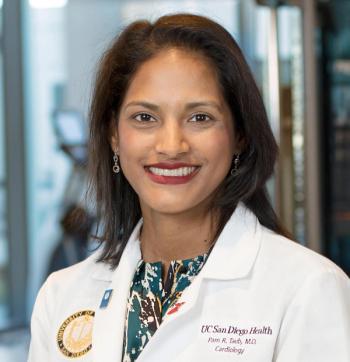
Results of a pilot study examining the impact of a 10-hour restricted eating window in patients with metabolic syndrome indicate the dietary intervention could help patients lose weight and improve their symptoms without changes in physical activity

An analysis of more than 4 million people from Europe has found children born to mothers with diabetes were at a 29% increased risk of developing cardiovascular disease before the age of 40.

An analysis from the University of Michigan has found postoperative myocardial infarction is still associated with an increased risk of mortality, despite use of evidence-based strategies.

A study presented at EuroEcho 2019 is revealing the ability of ACE inhibitors, ARBs and beta-blockers for the prevention of cardiotoxicity in patients with breast or hematological cancer.

A new analysis is painting a clearer picture of the impact and causes of the rise and fall of US life expectancy between 1959 and 2017.

Results of a recent study have found ice baths, also known as cold water immersion, could actually have a negative impact on repairing and building muscle.
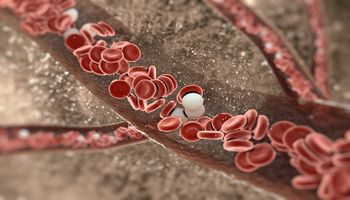
A new 30,000-person review found low lymphocyte cell counts could be an indicator a patient is at an increased risk of all-cause mortality, including death from cardiovascular disease and cancer.

A discussion on why heart failure rates have climbed over the past decade while research indicates rates of cardiovascular disease, as a whole, have begun to decline.

One-year results of the ENLIGHTEN trial are revealing more about the impact of exercise and nutrition on the cognitive health of older patients.

Discussing the key differences in the results of ISCHEMIA and ISCHEMIA-CKD, which examined whether the use of invasive or conservative strategies was more effective for patients with ischemic heart disease.

Results of the ESETT trial are revealing there is little difference in the effectiveness or safety profiles of three anti-seizure treatments for patients with a severe form epilepsy.

Discussing why initiatives and policy changes in the fight against obesity and diabetes have been perceived as less successful than those against smoking and educating on cardiovascular diseases.
Evaluating the impact of DAPA-HF and other recent data that have changed the way cardiologists view the potential uses of SGLT2 inhibitors in patients with or without diabetes.
Discussing how new information released in 2019 has impacted the way cardiologists view aspirin use for primary and secondary prevention of cardiovascular events.

A new study of more than 100,000 patients in the UK found patients living in areas with greater amounts of air pollution were at an increased risk of glaucoma.

Novartis AG is set to acquire The Medicines Company in a $9.7 billion deal that is set to be completed in the first quarter of 2020.

A new analysis from the World Health Organization has found 80% of children across 146 countries, including the United States and Canada, fail to meet the recommended guideline of 1 hour of activity per day.

Results of the CITU study are revealing more about the different impacts e-cigarette and tobacco use has on a patient's lipid profile.

A new analysis from the University of Minnesota has found many patients with and without an indication for regular low dose aspirin use are under or overusing the medication.

A new analysis from Johns Hopkins School of Medicine has found patients in the South, Midwest, and West were all more likely to report poorer healthcare-related quality of life when compared to patients in the Northeast.

A conversation with Deepak Bhatt, MD, MPH, discussing the most impactful advances in cardiology in 2019 and what he sees as the most important advances in the past decade as 2019 comes to a close.
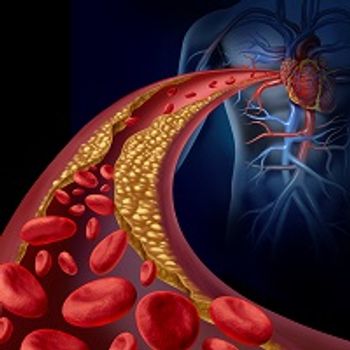
An analysis of 4 phase 3 clinical trials examining the use of bempedoic acid for lowering LDL cholesterol was presented at AHA 2019.
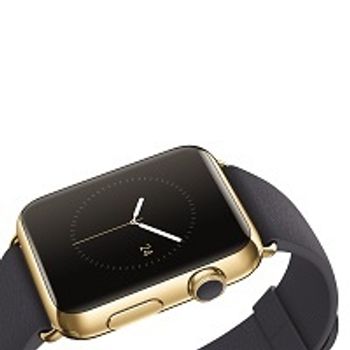
A new study of more than 5000 patients in a rural community in India suggests the Apple Watch and its A-fib software could serve as a valuable screening tool in underserved communities and developing countries.
Seth Bilazarian, MD, medical director of Abiomed, responds to an analysis presented at AHA 2019 suggesting Impella devices were associated with a greater risk of death and stroke.
Results of the "Treat Stroke to Target" trial found an LDL-C target of 70 mg/dL led to a significant reduction in secondary stroke events.