

A recent analysis of the FRANCE-TAVI registry presented at AHA 2019 has found self-expanding transcatheter heart valves were associated with an increased risk of all-cause mortality following TAVR.
Patrick Campbell is the editorial director of HCPLive. Patrick has spent years spearheading coverage surrounding cardiometabolic health and rheumatic disease for MJH Life Sciences. Before joining MJH Life Sciences in 2019, he spent time as a beat reporter and/or multimedia specialist with the Pocono Record, Star News Group, and NJ Advance Media. He is the executive producer for multiple HCPLive podcasts, including Diabetes Dialogue, Don't Miss a Beat, Kidney Compass, Medical Ethics Unpacked, The Medical Sisterhood, and Skin of Color Savvy.
Follow him on Twitter @RealPatCampbell or reach him via email at [email protected].
A recent analysis of the FRANCE-TAVI registry presented at AHA 2019 has found self-expanding transcatheter heart valves were associated with an increased risk of all-cause mortality following TAVR.
A new study from AHA 2019 has found that use of rivaroxaban rather than antiplatelet therapy after TAVR increased a patient's risk of death and bleeding events.

Results of the ISCHEMIA trial were revealed at AHA 2019 and revealed little overall benefit of an invasive approach but saw improved angina control in patients with previous angina.

The ORION-10 trial revealed 300 mg inclisiran twice-yearly reduced LDL-C levels by 58% in patients with atherosclerotic cardiovascular disease.
Results of the COLCOT trial presented at AHA 2019 revealed colchicine use could reduce the risk of cardiovascular events by 35% in patients who recently suffered a myocardial infarction.

The US FDA has approved lusaptercept-aamt (Reblozyl) for the treatment of anemia in adult patients with beta thalassemia who require regular blood red blood cell transfusions.
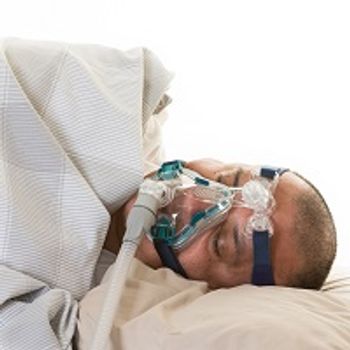
A new international study has found patients with spinal cord injuries were 7 times more likely to be fatigued and more than 3 times more likely to have sleep apnea than their able-bodied counterparts.

A new 7-year analysis from the University of Cambridge is shining light on the underlying causes of the "weekend effect" in emergency departments.

A new study from Northwestern is highlighting the disparities in postpartum pain management received by non-Hispanic black and Hispanic women compared to their white counterparts.

A new analysis of nearly 500,000 Chinese patients found insomnia symptoms were associated with an increased risk of cardiovascular and cerebrovascular disease.

A new study has found use of ketamine for treatment of acute or chronic pain does not increase risk for hepatotoxicity or other adverse drug events, as some previous research has suggested.

A new meta-analysis of more than 31 randomized trials found fish oil supplements—specifically omega-3, alpha-linolenic acid, and total polyunsaturated fats—had little to no impact on the treatment or prevention of depression or anxiety symptoms.

A recent meta-analysis of more than 200,000 patients found running once a week was associated with a decreased risk of death from cancer, cardiovascular disease, and all-cause mortality.

A new study from Duke University suggests combining weight loss counseling to group medical visits was noninferior to typical medication treatment for lowing HbA1c in diabetic patients.

A new study from the National Center for Global Health and Medicine in Japan has found thiazide use in diabetics with well-controlled blood pressure led to an increased risk of MACE, particularly stroke.
RedHill Biopharma Ltd. has received FDA approval for RHB-105 (Talicia) for the treatment of Helicobacter pylori in adults.

A new analysis of the Paris Prospective Study III has revealed physical activity at work and physical activity from sport have very different effects on cardiovascular health.
Maria Woodward, MD, MSc, discusses the impact of reducing opioid prescriptions following corneal surgery.

A new study of cohorts in Sweden found exposure to black carbon from traffic exhaust was linked to an increased risk of stroke incidence later in life.

Hahn will replace Ned Sharpless, MD, who took over after former commissioner Scott Gottlieb stepped away from the role earlier this year.

A new Mayo Clinic study has found that patients with microvascular endothelial dysfunction were more than twice as likely to be diagnosed with solid-tumor cancer than their counterparts without dysfunction.

A new study from Icahn School of Medicine at Mount Sinai found increases in exposure to fine particulate matter before birth were associated with heart rate variability during infancy.

A new study from researchers at Penn Medicine and CHOP found bariatric surgery is not only effective, but safe for morbidly obese adolescents.
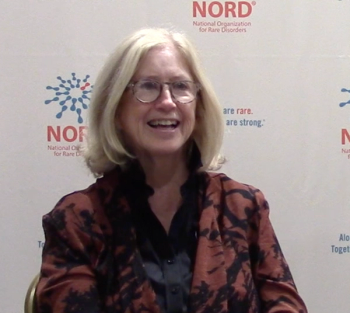
Moira Gunn, PhD, professor of bioentrepreneurship at the University of San Francisco, discusses the biggest hurdles those in healthcare face when looking to create new therapies for rare diseases.

Dawn Rotellini, COO of the National Hemophilia Foundation, discusses how recent policy changes seeking to improve access to and create new therapies for patients with rare diseases.

A review of novel drug approvals in 2018 found more than half of all novel approvals were for rare diseases and that 2018 also saw more novel drug approvals for rare disease than any other year.
Dawn Rotellini, chief operating officer of the National Hemophilia Foundation, discusses the important of including patient advocacy groups in annual meetings such as the NORD Summit.

A new analysis of an open-label extension study of the phase 3 PREVENT study is providing further evidence of the safety and efficacy of the treatment of the neuromyelitis optica spectrum disorder.

A new study presented at NORD Summit 2019 found rare disease is underrepresented in published literature and, more often than not, articles are not available in open-access journals.
Moira Gunn, PhD, professor of bioentrepreneurship at the University of San Francisco, discusses why it is important for primary care providers to keep up-to-date on rare disease developments.