

A recent analysis of more than 400,000 from the UK Biobank revealed those who get more or less than 6 to 9 hours of sleep per day increased their risk of heart attack by more than 20%.
Patrick Campbell is the editorial director of HCPLive. Patrick has spent years spearheading coverage surrounding cardiometabolic health and rheumatic disease for MJH Life Sciences. Before joining MJH Life Sciences in 2019, he spent time as a beat reporter and/or multimedia specialist with the Pocono Record, Star News Group, and NJ Advance Media. He is the executive producer for multiple HCPLive podcasts, including Diabetes Dialogue, Don't Miss a Beat, Kidney Compass, Medical Ethics Unpacked, The Medical Sisterhood, and Skin of Color Savvy.
Follow him on Twitter @RealPatCampbell or reach him via email at PCampbell@mjhlifesciences.com.
A recent analysis of more than 400,000 from the UK Biobank revealed those who get more or less than 6 to 9 hours of sleep per day increased their risk of heart attack by more than 20%.

A recent study examining how genetic risk factors and lifestyle choices impact premature coronary artery disease found evidence that various factors play a greater role than genetics for younger patients.

A study presented at ESC Congress 2019 found that anabolic-androgenic steroid use in male weightlifters can lead to thickening of the heart muscle and reduced ejection fraction
Results of the AFIRE study found rivaroxaban monotherapy was noninferior to combination therapy for efficacy and superior to combination therapy for safety.

Results of the DAPA-HF study — presented at the ESC Congress 2019, reveal use of dapagliflozin reduce hospitalizations from heart failure and deaths from cardiovascular causes in patients with heart failure with reduced ejection fraction.

Results of the PARAGON HF study, which were presented at ESC Congress 2019, reveal no significant benefit of sacubitril-valsartan compared to valsartan for heart failure with preserved ejection fraction in more than 4,500 patients.
A study presented at ESC Congress 2019 revealed childhood BMI, systolic blood pressure, and serum total cholesterol and triglycerides are positively associated with adult CVD.
The European Society of Cardiology and European Association for the Study of Diabetes released new diabetes and cardiovascular guidelines during ESC Congress 2019.
Updated guidelines for the treatment and diagnosis of chronic coronary diseases were released by the European Society of Cardiology at ESC Congress 2019 in Paris.

An analysis of questionnaires from more than 3500 players found certain positions and length of career increased a player's risk of developing poor cognitive-related quality of life and mental health.

A recent study found that expanding statin treatment to those with borderline risk of atherosclerotic cardiovascular disease and high LDL-C levels could prevent ASCVD events and be cost-effective on a population level.
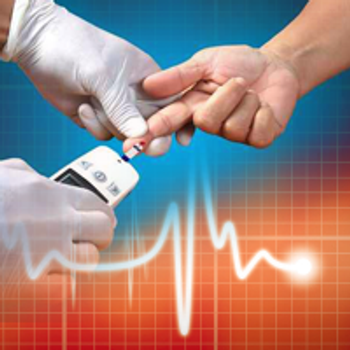
A recent review of adverse event reports from the FDA found that tramadol use was associated with a tenfold greater risk of developing hypoglycemia than most other opioids.
A recent study from Northwestern University found that rates of death caused by cardiometabolic disease in the US are no longer in decline and have been rising since 2011.

A Mayo Clinic study examining artificial intelligence to analyze ECG data found readings can be used as a predictor of overall physiological health.
A recent review of claims data from 2006-2016 revealed out-of-pocket costs for patients have increased seven-fold during the 10-year period, from $372 to $2673 annually.

Results of the phase 3 trial show that inclisiran reduced LDL cholesterol in patients with atherosclerotic cardiovascular disease.
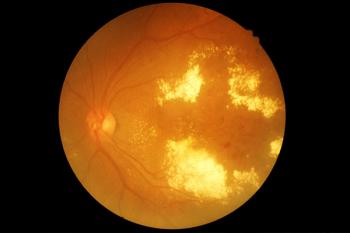
A review of 11 websites found that information available online to patients varies greatly in terms of quality, accuracy, and readability.
A recent study from South Korea is shedding light on the association of blood pressure levels and cardiorenal events.

A study from ESC 2019 found the occurrence of ACS was more common in winter months and heavily polluted cities after examining more than 15,000 patients from across Poland.
Results of the PolyIran study, which examined more than 6000 patients, found that use of a polypill reduced the risk of major cardiovascular events.

National Institute of Health Research study found that physicial activity, even for just 24 minutes per day, was associated with reduced risk of all-cause mortality.

World Health Organization review finds that consumption of fish oil supplements have little to no impact on development or diagnosis of diabetes.

A recent analysis of the Asian Sudden Cardiac Death in Heart Failure registry found that type 2 diabetes mellitus was associated with structural changes of the heart and poorer quality of life.

Findings from the Insight 46 study reveal blood pressure changes during midlife can lead to poorer brain health as a patient gets older.

Analysis of the Framingham Heart Study found that while quitting smoking lowers a person's CVD risk, that risk may not return to normal for up to 25 years.

Investigators from the University of Pennsylvania found that negative effects of vaping on blood vessels can be noted after a single use.

FDA announced the approval of lefamulin, which was based on the results of the LEAP 1 and LEAP 2 trials.

While many often turn to vitamins and nutritional supplements for nutrients their diet lacks, some argue this is not enough to make up for the missing nutrients.
Despite potentially playing a key role in the lives of patients, little is known about the true impact of gut microbiota on metabolic health. Hana Kahleova, MD, PhD, discusses the reality of our understanding in a recent interview.

While results of COMPASS proved the efficacy of combination rivaroxban-plus-aspirin, it may not be the best treatment for every patient suffering from coronary or peripheral artery disease.