
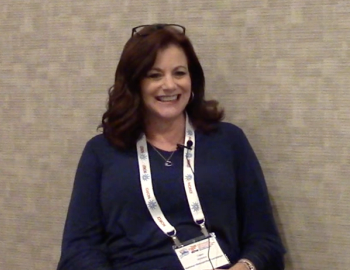
Dawn Rotellini, chief operating officer of the National Hemophilia Foundation, discusses the impact recent advances in technology and changes in policy focusing on rare diseases have impacted the disease state of hemophilia.
Patrick Campbell is the editorial director of HCPLive. Patrick has spent years spearheading coverage surrounding cardiometabolic health and rheumatic disease for MJH Life Sciences. Before joining MJH Life Sciences in 2019, he spent time as a beat reporter and/or multimedia specialist with the Pocono Record, Star News Group, and NJ Advance Media. He is the executive producer for multiple HCPLive podcasts, including Diabetes Dialogue, Don't Miss a Beat, Kidney Compass, Medical Ethics Unpacked, The Medical Sisterhood, and Skin of Color Savvy.
Follow him on Twitter @RealPatCampbell or reach him via email at [email protected].
Dawn Rotellini, chief operating officer of the National Hemophilia Foundation, discusses the impact recent advances in technology and changes in policy focusing on rare diseases have impacted the disease state of hemophilia.
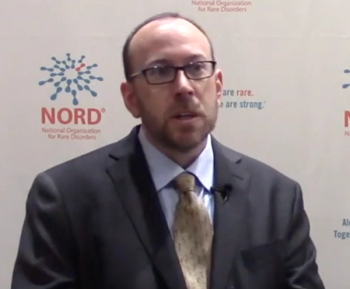
Lucas Kempf, MD, associate director of the FDA's Rare Diseases Program, discusses the impact of recent policy changes that center around increasing access to and creating new therapies for rare disease.
AstraZeneca announced approval of the SGLT2 inhibitor for the reduction of hospitalization for heart failure in type 2 diabetes patients in a release on Monday.
Ustekinumab (Stelara) has received approval from the US Food and Drug Administration for the treatment of moderate to severely active ulcerative colitis in adults.
The US Food and Drug Administration has approved minocycline topical foam, 4% for the treatment of inflammatory lesions of non-nodular moderate to severe acne vulgarism in adults and pediatrics patients 9 years of age or older.

Katherine Talcott, MD, of Cole Eye Institute, discusses results of a 5-year study examining endogenous bacterial endophthalmitis at a tertiary care center from AAO 2019.

Sumayya Ahmad, MD, assistant professor of medicine at Icahn School of Medicine at Mount Sinai, discusses results of a study she presented at AAO 2019 that examined the real-world survival rates of penetrating keratoplasty.
Katherine Talcott, MD, of the Cole Eye Institute, discusses the results of a study she co-authored from AAO 2019 that examined visual acuity outcomes after cataract extraction with IOL implantation with diabetic eyes.
Rishi Singh, MD, of the Cole Eye Institute, discusses the results of an analysis of VIEW trial participants he presented at AAO 2019.
Sumayya Ahmad, MD, assistant professor of ophthalmology at Icahn School of Medicine at Mount Sinai, discusses the results of a study she co-authored examining demographic associations with varying forms of astigmatism
Michael Stewart, MD, of Mayo Clinic Jacksonville, discusses the results of 2 phase 2a studies examining the use of AKST4290 in treatment naive and refractory neovascular age-related macular degeneration.

Aleksandra Rachitskaya, MD, of Cole Eye Institute, discusses a presentation she led at AAO 2019 on novel imaging and surgical techniques.
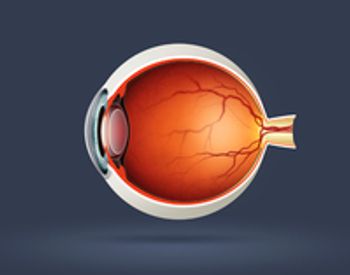
A new study has found that receiving or not receiving topical antibiotics following cataract surgery had no impact on the development of endophthalmitis.
A phase 1b study, which was presented by Charles Wykoff, MD, PhD, at AAO 2019, found the novel anti-VEGF therapy KSI-301 shows promise for treating a slew of retinal diseases.
Louis Pasquale, MD, professor of medicine at Icahn School of Medicine at Mount Sinai, discusses how technology and artificial intelligence has been embraced by ophthalmology.
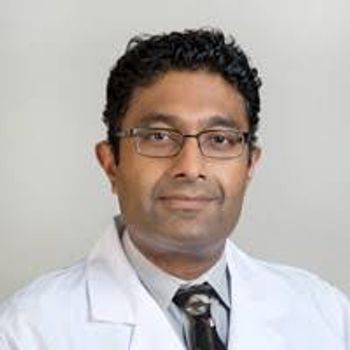
A presentation at AAO 2019 highlighted the ability of the EyeArt screening system to detect diabetic retinopathy with 95.5% sensitivity.
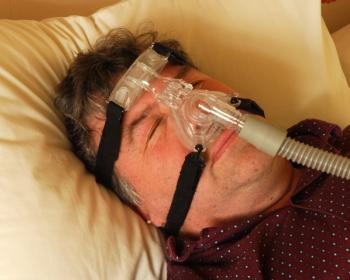
A study presented at AAO 2019 revealed that obstructive sleep apnea could be a risk factor for diabetic macular edema and refractory diabetic macular edema.

Results of a phase 1 study examining a potential gene therapy for x-linked retinitis pigmentosa showcased improvements in microperimetry and a favorable safety profile.

Raymond Douglas, MD, PhD, professor of ophthalmology and director of the Orbit and Thyroid Eye Disease Center at Cedars-Sinai, discusses results of the phase 3 OPTIC study and what a potential approval of teprotumumab would mean for patients and physicians.
Edmund Tsui, MD, social media editor for Ophthalmology, discusses some of the common pitfalls and advantages in the manner some physicians and clinicians navigate social media on this episode of the DocTalk Podcast.

Carl Regillo, MD, of Wills Eye Hospital, presented end of study results of the phase 2 LADDER study, which suggested PDS with ranibizumab could be an effective treatment for neovascular AMD, at AAO 2019.
A new study from the University of Western Australia has revealed that undergoing cataract surgery on both eyes resulted in a 48% improvement in safety during a driving simulator with patients.

A 2-year study in 80 children found that combination therapy of orthokeratology and atropine 0.01% was 38% more effective than monotherapy for slowing myopia in children with lower myopia.
Louis Pasquale, MD, professor of medicine at Icahn School of Medicine at Mount Sinai, discusses how technology and artificial intelligence has impacted ophthalmology.

Results of the LEAVO trial presented at AAO 2019 reveal a low level of confidence among investigators for recommending bevacizumab treatment as equivalent to ranibizumab and aflibercept at 100 weeks.
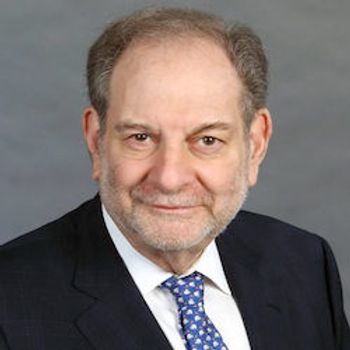
A phase 2 trial found that use of risuteganib resulted in 48% of patients with nonexudative age-related macular degeneration gaining 8 or more letters of BCVA.
A new study presented at AAO 2019 found the only FDA-approved pill for interstitial cystitis caused retinal damage in about 25% of patients who had been receiving the treatment.
Data from 2 phase 3 trials, which included more than 1800 patients, examining the efficacy and safety profile of abicipar for the treatment of neovascular age-related macular degeneration were presented at AAO 2019.
Data from a phase 1/2a study show RGX-314, a gene therapy from RegenX, was well tolerated and improved visual acuity in patients.

Results of the phase 1 OPTIC trial reveal ADVM-022 was effective at maintaining visual acuity in patients with wet AMD with a favorable safety profile.