

The document, which includes 11 clinical competencies for NPs and PAs, is the first of its kind from the American College of Cardiology.
Patrick Campbell is the editorial director of HCPLive. Patrick has spent years spearheading coverage surrounding cardiometabolic health and rheumatic disease for MJH Life Sciences. Before joining MJH Life Sciences in 2019, he spent time as a beat reporter and/or multimedia specialist with the Pocono Record, Star News Group, and NJ Advance Media. He is the executive producer for multiple HCPLive podcasts, including Diabetes Dialogue, Don't Miss a Beat, Kidney Compass, Medical Ethics Unpacked, The Medical Sisterhood, and Skin of Color Savvy.
Follow him on Twitter @RealPatCampbell or reach him via email at PCampbell@mjhlifesciences.com.
The document, which includes 11 clinical competencies for NPs and PAs, is the first of its kind from the American College of Cardiology.
New research presented at ACC.20/WCC suggests increased protein intake could reduce the risk of atrial fibrillation in older women up to 8%.
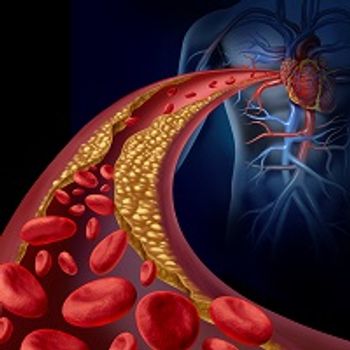
Data published in NEJM demonstrate the siRNA agent's ability to lower cholesterol in patients with multiple conditions.
Manesh Patel, MD, of Duke University School of Medicine, discusses what we know about COVID-19 and its impact on cardiovascular health.
New research from ACC.20/WCC suggests taking statins before initiating chemotherapy with anthracycline or trastuzumab could reduce treatment-associated cardiotoxicity.
The Professor of Medicine at Duke University School of Medicine discusses prescribing DOACs and his opinion on a recent meta-analysis in the Annals of Internal Medicine.
New data from ACC.20/WCC is revealing more about the risk of AF associated with various cancer types.

In a show of solidarity, the major cardiology organizations have released statements addressing the topic.

A new meta-analysis found dual therapy was associated with less bleeding events than triple therapy in AF patients after PCI.

New research from an international team of investigators suggests more than 80% of cases have been transmitted by undocumented infections.

New research suggests taking low-dose aspirin could reduce the risk of hepatocellular carcinoma in high-risk patients.

The incoming president of the American College of Physician offers advice on communicating about the realities and myths of coronavirus with patients.
Incoming president of the American College of Physician offers advice on steps clincians should be taking amid the coronavirus outbreak.

Research from investigators at Brigham and Women's Hospital and Sinai Health is shedding new light on the differences in safety and efficacy between the 2 DOACs.

An analysis of dizziness in primary care patients is shedding new light on the potential dangers and risk of mortality associated with different subtypes of dizziness.
The approval marks the fourth type of cancer nivolumab plus ipilimumab has received approval for treating.

The incoming Editor-in-Chief of Stroke discusses what the future of stroke care might look like and his biggest takeaways from ISC 2020.
The approval is the third for the Boehringer Ingelheim-produced therapy and the first from the FDA for treating patients with chronic fibrosing interstitial lung diseases with a progressive phenotype.

Results of a meta-analysis of more than 2 dozen studies indicate DCB treatment may actually reduce mortality risk long-term.

A new analysis has found that low blood pressure in older, frail adults could increase mortality risk as much as 63%.
Osilodrostat oral tablets are indicated for the treatment of Cushing's disease in patients not eligible for surgery or in those who still have surgery despite the disease.

A study from EPI Scientific Sessions 2020 is shedding light on the prevalence of certain risk factors among black ethnic groups compared to their white counterparts.

New data from a team of European investigators suggest Neurologic Music Therapy could have benefits for patients recovering from a stroke event.

New data from Kaiser Permanente Northern California is quantifying just how much of an impact adherence to each additional guideline can impact patients following AMI.
With approval, the new implant becomes the first approved for lowering IOP in patients with open-angle glaucoma and ocular hypertension.

Part 1 of the feature series includes a conversation with Anna Lembke, MD, on the most impactful players and products of the 30-year crisis.
A new study is diving into differences in long-term outcomes, including remission rates and weight loss, seen among patients undergoing RYGB and SG.

A Mayo Clinic analysis is shedding light on the real-world success of ablation in lowering risk of mortality and HF hospitalizations.

New data from EPI Lifestyle Conference 2020 is shedding light on the impact of initiating estradiol therapy closer to the onset of menopause.

An analysis of 180,000 patients in South Korea is shedding new light on the potential poor oral hygiene can have on a person's risk of diabetes.