
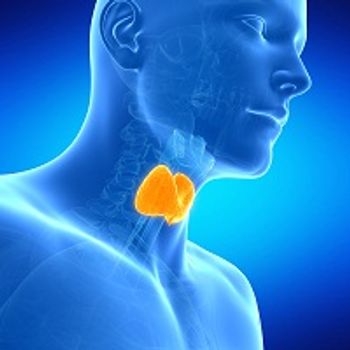
Study from ENDO 2020 assesses the effects of teprotumumab based on the age, gender, and smoking status of patients.
Patrick Campbell is the editorial director of HCPLive. Patrick has spent years spearheading coverage surrounding cardiometabolic health and rheumatic disease for MJH Life Sciences. Before joining MJH Life Sciences in 2019, he spent time as a beat reporter and/or multimedia specialist with the Pocono Record, Star News Group, and NJ Advance Media. He is the executive producer for multiple HCPLive podcasts, including Diabetes Dialogue, Don't Miss a Beat, Kidney Compass, Medical Ethics Unpacked, The Medical Sisterhood, and Skin of Color Savvy.
Follow him on Twitter @RealPatCampbell or reach him via email at PCampbell@mjhlifesciences.com.
Study from ENDO 2020 assesses the effects of teprotumumab based on the age, gender, and smoking status of patients.

New data from ENDO 2020 suggests the presence of erectile dysfunction and sexual symptoms was linked to increased risk of death.

A new study presented at the American College of Cardiology’s Annual Scientific Session Together with World Congress of Cardiology (ACC.20/WCC) has revealed a low birth weight could serve as an indicator for increased risk of cardiovascular disease in mothers.

A new study examining the impact of increased protein intake in older women has returned promising results showing a potential reduction in the risk of one of the most common cardiovascular conditions.
Discussing a REDUCE-IT substudy presented at ACC.20/WCC examining the impact of various EPA levels on outcomes seen in REDUCE-IT.

Results of the TICO study support use of ticagrelor monotherapy for patients with ACS requiring PCI with drug-eluting stents.

Results of a TWILIGHT subanalysis suggest ticagrelor monotherapy might cause less bleeding without increasing events in patients with requiring complex PCI.

A new subanalysis from the TWILIGHT trial found benefits of ticagrelor monotherapy remained consistent across both diabetics and nondiabetics.
Results of the CARAVAGGIO trial found oral apixaban was noninferior to subcutaneous dalteparin for preventing cancer-associated VTE without increasing a patient’s risk for major bleeding.

Results of the SPYRAL-HTN OFF MED indicate renal denervation could prove useful for lowering SBP in patients with untreated hypertension.

Marc Bonaca, MD, discusses the results of a subgroup analysis examining the impact of concomitant clopidogrel use in VOYAGER-PAD study.

Results of POPular TAVI indicate concomitant clopidogrel with oral anticoagulants increases risk of bleeding in patients requiring long-term anticoagulation after TAVI.
Discussing the impact of rivaroxaban 2.5 mg BID plus aspirin in diabetics versus nondiabetics from the COMPASS trial with Deepak Bhatt, MD.
Marc Bonaca, MD, discusses the results of the VOYAGER-PAD trial in a special edition ACC House Call with HCPLive.

Data presented at ACC.20/WCC is shedding light on the impact of genotype-guided antiplatelet therapy in patients undergoing PCI for ACS or CAD.
Discussing the impact of COVID-19 on ACC.20/WCCardio and the cardiology community throughout the country.
Discussing how approval of bempedoic acid impacts the role of PCSK9 inhibitors for lowering LDL-C.
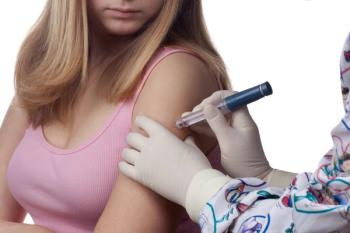
New research from a team of European investigators suggests age at the onset of puberty could serve as an independent risk factor for type 2 diabetes (T2D).
While chemotherapy with anthracycline and trastuzumab have been linked to cardiotoxicity, new research is suggesting a common cardiovascular medication could help offset some of the negative impact on cardiovascular health in breast cancer patients.

While multiple previous studies have detailed the additional risk of arrhythmias associated with patients who have cancer, new data is shedding light on which forms of cancer carry the greatest risk.

New research is shedding light on national trends in outcomes and predictors of in-hospital mortality for patients undergoing surgical embolectomy for acute pulmonary embolism.

New research is shedding light on the impact pediatric strabismus has on the quality of life of children and their families.

A new Emory University study sheds light on the relationship between mental and cardiovascular health.

A study of 416 hospitalized patients indicates 19.7% suffered cardiac injury, which was also associated with increased ventilation and mortality.
A special edition ACC House Call with Deepak Bhatt, MD, to discuss the results of a meta-analysis looking at ticagrelor and MALE from 2 clinical trials.
A discussion on a study from ACC.20 examining use of a novel genetic risk score to predict VTE in patients with cardiometabolic disease.
Executive Director of Interventional Cardiovascular Programs at Brigham and Women's discusses some research he took part in being presented at this year's conference.
A new study of more than 30k Swedish men is shedding light on associations between early puberty and risk of T2D.
A new review from investigators at Columbia University details topics from common comorbidities to potential treatments.

New data from ACC.20/WCC indicates low birth weight in infants could indicate mothers who are at increased risk of heart failure later in life.