

A discussion on unanswered questions and concerns among clinicians related to sickle cell disease and the ongoing COVID-19 pandemic.
Patrick Campbell is the editorial director of HCPLive. Patrick has spent years spearheading coverage surrounding cardiometabolic health and rheumatic disease for MJH Life Sciences. Before joining MJH Life Sciences in 2019, he spent time as a beat reporter and/or multimedia specialist with the Pocono Record, Star News Group, and NJ Advance Media. He is the executive producer for multiple HCPLive podcasts, including Diabetes Dialogue, Don't Miss a Beat, Kidney Compass, Medical Ethics Unpacked, The Medical Sisterhood, and Skin of Color Savvy.
Follow him on Twitter @RealPatCampbell or reach him via email at PCampbell@mjhlifesciences.com.
A discussion on unanswered questions and concerns among clinicians related to sickle cell disease and the ongoing COVID-19 pandemic.

The latest scientific statement from the association highlights the importance of healthy diet at a young age on preventing CVD later in life.

Discussing the results of a study examining impact of vitamin D and homotaurine supplementation on early to intermediate age-related macular degeneration.

Rishi Singh, MD, discusses differences in disease activity noted among nAMD patients enrolled in the pivotal HAWK and HARRIER trials.

Discussing what data from fellow eyes of a 3-year study tell us about disease course of non-infectious uveitis of the posterior segment with an assistant professor from the Cole Eye Institute.
A Q&A with the medical director of clinical ophthalmology with Genentech about the humanized monoclonal antibody in treatment of NMOSD.
Discussing the impact of high-intensity statin therapy on patients with dry AMD with a study investigator from Byers Eye Institute.
Daniel Kiernan, MD, discusses the results of a study examining dexamethasone intracameral drug-delivery suspension compared with topical corticosteroids for inflammation following vitreoretinal surgery.

Discussing the latest data from Adverum Biotechnologies related to ADVM-022 and the ongoing phase 1 OPTIC trial with the trial's principal investigator.
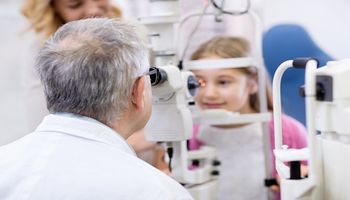
Research from ARVO 2020 suggest a 4-minute educational video could more than double compliance with patching in pediatric patients with ambylopia.
Discussing how end of study results from the phase 2 LADDER trial inform clinicians on the use of PDS with ranibizumab.

New data from Mount Sinai Hospital suggests anticoagulant use could improve survival rates among patients hospitalized with COVID-19.
New research suggests the prevalence of depression and anxiety is greater among patients with diabetic retinopathy.

After receiving approval for a similar indication in type 2 diabetics in late 2019, the FDA has approved dapagliflozin for reducing risk of CV death and hospitalization in patients with HFrEF.
A new analysis of STAIRWAY from ARVO 2020 is shedding additional light on the effects of faricimab use.

A new analysis of two-year data from the FOURIER trial is shedding light on the impact of PCSK9 use for lowering LDL-C.

A new study from investigators in Finland found a single-lead ECG in a necklace could aid in diagnosis of AF.
New research suggests an SBP target of 120 mmHg or less could lower risk of AFib up to 26%.
The Chief Medical Officer of the Sickle Cell Disease Association of America discusses a recently released care provider advisory from the organization.

The latest scientific statement from the AHA addresses cardiovascular considerations before, during, and after pregnancy.

The AAN has released an update to their 2016 practice advisory—changing their stance on PFO closure to reduce risk of second stroke.

New research suggests childhood trauma and dysfunction could increase risk of CVD by up to 68%.
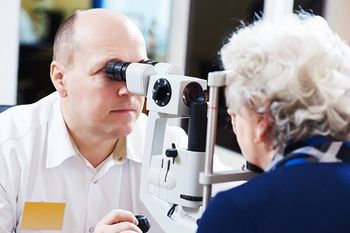
A new review has found less than 50% of the information presented at conferences, including AAO and ARVO, never gets published in peer-reviewed journals.

An analysis of the CITU study is shedding light on the impact of e-cigarette use on arterial stiffness and vascular health.

A new analysis of the FOURIER trial is diving into whether evolocumab use could slow or prevent progression of aortic stenosis.

Results of the study from investigators at CHOP could have real-world impact on treatment algorithms.

A prespecified subanalysis revealed evolocumab use was associated with a significant reduction in risk of MI.
Brief intermittent EEG may not have enough sensitivity for detecting potentially treatable seizures in cardiac arrest patients who required resuscitation.

New research suggests severe sleep apnea was linked to increased blood glucose levels in African-Americans.

New research from investigators in Europe is shedding light on the impact of mental stress on risk of peripheral artery disease