

Sixteen organizations are seeking to drive the practice forward after the 2008 Call to Action from the Surgeon General fell short in addressing the public health need regarding VTE.
Patrick Campbell is the editorial director of HCPLive. Patrick has spent years spearheading coverage surrounding cardiometabolic health and rheumatic disease for MJH Life Sciences. Before joining MJH Life Sciences in 2019, he spent time as a beat reporter and/or multimedia specialist with the Pocono Record, Star News Group, and NJ Advance Media. He is the executive producer for multiple HCPLive podcasts, including Diabetes Dialogue, Don't Miss a Beat, Kidney Compass, Medical Ethics Unpacked, The Medical Sisterhood, and Skin of Color Savvy.
Follow him on Twitter @RealPatCampbell or reach him via email at PCampbell@mjhlifesciences.com.
Sixteen organizations are seeking to drive the practice forward after the 2008 Call to Action from the Surgeon General fell short in addressing the public health need regarding VTE.

A new Cleveland Clinic study is shedding light on an apparent increase in rates of stress cardiomyopathy during the ongoing pandemic.

An analysis examining 5 decades of data is shedding light on mortality trends in diabetic patients from 1970-2016.

A new analysis of Medicare data from 2011-2017 is shedding light on the comparative effectiveness of DOACs versus warfarin in patients with AF and chronic kidney disease.
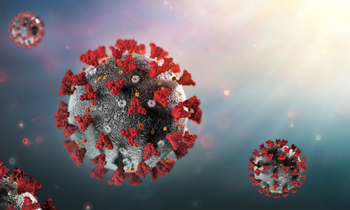
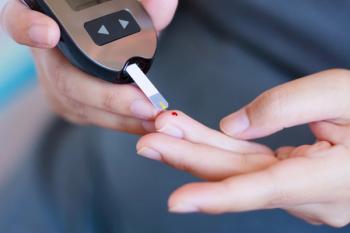
Results of an analysis of more than 600 patients suggests increased fasting blood glucose was associated with a 2.3 times greater risk of 28-day mortality in COVID-19 patients.

New research is seeking to update previous analyses examining the cardiovascular and renal benefits of GLP-1 receptor agonists and SGLT2 inhibitors in patients with type 2 diabetes.
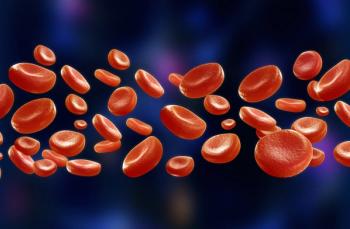
Two major organizations have released a new statement outlining topics of research related to VTE in need of further research going forward.

New research from the Cleveland Clinic has uncovered a troubling trend related to stress from COVID-19 and cardiovascular health.

An analysis of 3 major prospective studies suggests consuming whole grain foods was associated with a lower rate of type 2 diabetes.

The microbiome of an infant's first stool can help predict their risk of being overweight later in life, according to a recent study.

An associate professor of medicine at Yale School of Medicine discusses the results of a study aimed at assessing the potential pathophysiology of COVID-19-associated blood clots.

An analysis of data from a pair of major hospitals in Massachusetts is detailing the impact smoking cessation can have on survival in young patients with myocardial infarction.
New research suggests the 24-hour changes in gut microbiome profile could help predict risk of type 2 diabetes.

Research from the University of Miami is adding to the discussion surrounding plant-based diets and impact on overall health.

New research is detailing the impact of statin use for primary prevention in elderly patients free from atherosclerotic cardiovascular disease.

A pooled analysis of 6 studies indicates both timing and increased severity of vasomotor menopausal symptoms could signal increased risk of cardiovascular disease events.

Results of an NIH-led study suggests infants exposed to iodine in the NICU were at a greater risk of developing congenital hypothyroidism.

An analysis of 10 randomized clinical trials is shedding new light on the risk of MACE seen by Black patients following PCI versus risk among white counterparts.

An analysis of more than 180k patients in Hong Kong indicated use of the antihypertensive medications was associated with 22% lower risk of developing colorectal cancer.

A new pilot study called CRAFT is examining the potential of portable air cleaners for limiting exposure to fine particulate matter in patients enrolled in cardiac rehabilitation.

New analysis of the Jackson Heart Study found experiencing a greater amount of discrimination could increase risk of hypertension in African Americans.
A systematic review and network meta-analysis is comparing 9 classes of therapies for HbA1c and risk management in patients with low versus increased cardiovascular risk.

Results of a new study suggest patients who undergo congenital heart surgery during youth have an increased risk of cardiovascular disease, endocrine disease, and psychiatric disease.

A new analysis of more than 47 million person-years of data indicates women who delivered a baby preterm were at a greater risk of developing ischemic heart disease.

Results of the FABOLUS-FASTER trial indicate tirofiban may be more effective than cangrelor in reducing risk of acute ischemic complications when used for bridging platelet inhibition in heart attack patients undergoing percutaneous coronary intervention.

New research from an analysis of the Swedish Medical Birth Registry suggests women experience preterm delivery were at an increased risk of developing ischemic heart disease later in life.

A new analysis of more than 260 children is shedding light on associations between blood pressure and ophthalmic issues later in life.

A new randomized trial suggests oral apixaban may be as effective as enoxaparin for thromboprophylaxis following surgery for gynecologic cancer.

Results of the FABOLUS-FASTER trial offer clinicians further insight into the effects of cangrelor, tirofiban, and chewed or integral prasugrel for immediate inhibition of platelet aggregation.

Data from a simulation performed by investigators from Harvard Medical School is detailing the potential losses in revenue primary care practices are expected to experience in 2020.