

An analysis of nearly 300k offspring suggests those exposed to diabetes in the womb were at an increased risk of cardiovascular disease events and risk factors in young adulthood.
Patrick Campbell is the editorial director of HCPLive. Patrick has spent years spearheading coverage surrounding cardiometabolic health and rheumatic disease for MJH Life Sciences. Before joining MJH Life Sciences in 2019, he spent time as a beat reporter and/or multimedia specialist with the Pocono Record, Star News Group, and NJ Advance Media. He is the executive producer for multiple HCPLive podcasts, including Diabetes Dialogue, Don't Miss a Beat, Kidney Compass, Medical Ethics Unpacked, The Medical Sisterhood, and Skin of Color Savvy.
Follow him on Twitter @RealPatCampbell or reach him via email at PCampbell@mjhlifesciences.com.
An analysis of nearly 300k offspring suggests those exposed to diabetes in the womb were at an increased risk of cardiovascular disease events and risk factors in young adulthood.
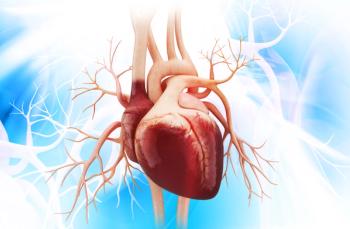
A prespecified analysis of a clinical trial in high-risk aortic stenosis patients found no differences in health status at 5 years among patients undergoing SAVR vs TAVR.

An analysis of data from 5 major databases suggests NRTIs could reduce incidence of type 2 diabetes.

An analysis of data from the Women's Health Initiative is offering clinicians a look into the impact of menopause symptoms on cardiovascular health in older women.

An associate professor from University of Toronto discusses whose responsibility it is to prescribe SGLT2 inhibitors to patients.

Kazem Rahimi, MD, discusses the prospect of home monitoring for heart failure patients and how technology needs to improve before it is a viable option for most patients.

A study presented at EASD 2020 examines the impact of increased exercise capacity on risk of all-cause mortality among more than 4k patients with type 2 diabetes.
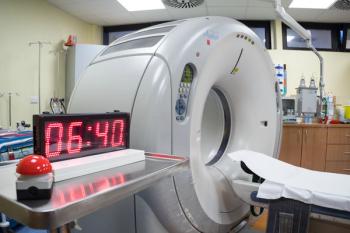
Could an alarm clock in the room where stroke care is performed contribute to more streamlined care?

While rates of recurrent events have declined, the rates of decline have not been equal between sexes and risk of recurrent events still pose a serious risk to heart attack survivors.

Analysis of information from more than 1000 patients in Australia sheds light on the potential association between metformin use and slower cognitive decline in older individuals.

New data suggest resuming or increasing sexual activity shortly after myocardial infarction could reduce risk of mortality.
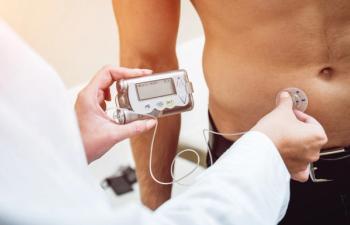
Data from a group of type 1 diabetics from a diabetes center in Italy suggests time off work and in lockdown could have been helped some patients improve glycemic control.

Research presented at EASD 2020 provides an updated estimate of the life years lost as a result of type 1 and type 2 diabetes, respectively, among patients in the UK.

A study from EASD 2020 found type 1 diabetes was associated with a 33% increase in risk of falls while type 2 diabetes was associated with a 19% increase in risk.

A study from EASD 2020 suggests patients with RA could be at a nearly 25% increase in risk of developing type 2 diabetes later in life.

Results of the study offer clinicians greater insight and could improve decision-making in regards to treatment choices for hypothyroidism.
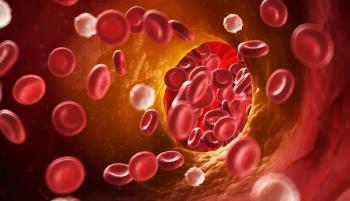
Chief member of Practical Cardiology's editorial advisory board discusses his approach to cholesterol education and the current state of cholesterol management in 2020.

Results of the analysis offer further clarity on the detrimental impact of smoking on overall and cerebrovascular health.

A study from e-ECE 2020 suggests thyroid inflammation could put patients at greater risk for developing an anxiety disorder.

New research suggests children treated with high-doses of oral glucocorticoids could be at a greater risk of diabetes, hypertension, and venous thromboembolism.

A meta-analysis of more than 3 dozen RCTs suggests increased intake of omega-3 supplements, such as EPA and DHA, was linked to a decreased risk of myocardial infarction action and coronary heart disease events.

Data from the WHI indicates adverse pregnancy outcomes were associated with increased risk of ASCVD later in life.

Analysis of data from a European aging study suggests feeling lonely was linked to an increased risk of developing diabetes in older adults.

An analysis of more than 1100 children suggests those born to mothers with gestational diabetes mellitus were at increased risk of accelerated aging.

Data from more than 4500 diabetics suggest CAC was better at predicting CVD and all-cause mortality in women than in men.

An interview examining the use of coronary artery calcium scores for predicting CV events and stroke risk in real-world settings.

A study published in an AHA journal describes recent trends, predictors, and outcomes of stroke in patients with hypertensive disorders of pregnancy.

New research suggests children born to mothers with PCOS could be at an increased risk of developing a psychiatric disorder later in life.

A study from ESC Congress 2020 dove deeper into associations between specific biomarkers and risk of CV events in CAD patients with and without diabetes.

Lead investigator of the PARALLAX trial discusses whether he feels clinical data related to sacubitril/valsartan is strong enough to warrant prescribing it for HFpEF patients.