
George Bakris, MD, offers further insight into the cardiovascular outcomes analysis of FIDELIO-DKD presented at AHA 2020.
Patrick Campbell is the editorial director of HCPLive. Patrick has spent years spearheading coverage surrounding cardiometabolic health and rheumatic disease for MJH Life Sciences. Before joining MJH Life Sciences in 2019, he spent time as a beat reporter and/or multimedia specialist with the Pocono Record, Star News Group, and NJ Advance Media. He is the executive producer for multiple HCPLive podcasts, including Diabetes Dialogue, Don't Miss a Beat, Kidney Compass, Medical Ethics Unpacked, The Medical Sisterhood, and Skin of Color Savvy.
Follow him on Twitter @RealPatCampbell or reach him via email at PCampbell@mjhlifesciences.com.
George Bakris, MD, offers further insight into the cardiovascular outcomes analysis of FIDELIO-DKD presented at AHA 2020.
Data from a phase 2 trial suggests evinacumab, in both subcutaneous and intravenous doses, were effective at lowering LDL-C in patients with refractory hypercholesterolemia.

Results of the EARLY-AF study suggest first-line ablation may be a better approach for patients with symptomatic atrial fibrillation than first-line antiarrhythmic drugs.

Pooled analysis of SUSTAIN 6 and PIONEER 6 trials indicates the impact of semaglutide impact on MACE was present regardless of baseline triglyceride levels among diabetic patients.

Professor John McMurray explains why he is not as displeased as some colleagues are with the uptake of SGLT2 inhibitor prescribing rates for patients with heart failure or chronic kidney disease.

Data from HARP-MINOCA suggests use of OCT and cardiac CMR could help determine cause of symptoms in women presenting with MINOCA.
Results of the RIVER trial suggest rivaroxaban was noninferior to warfarin for the study's composite endpoint of all-cause mortality, major cardiovascular events, and major bleeding.

An analysis of HFrEF patients from the GWTG-HF registry suggests 81% met eligibility criteria for receiving treatment with dapagliflozin.

Results of the STRENGTH trial indicate treatment with 4 grams of omega-3 CA (Epanova) daily did not reduce risk of major adverse cardiovascular events and increased risk for atrial fibrillation and adverse events.

Professor John McMurray discusses DAPA-CKD and what insights it provides into the cardiorenal protection seen with dapagliflozin (Farxiga) use in the landmark trial.

Javed Butler, MD, MPH, discusses the results of a prespecified analysis of EMPEROR-Reduced examining the effect of empagliflozin on KCCQ-CSS and heart failure symptoms.

In honor of World Diabetes Day, we reached out to Lucia Novak, CRNP, to get her perspective on the role of nurses in the diabetes care model as "The Nurse and Diabetes" has been chosen as the official theme of this year's World Diabetes Day.

Professor John McMurray offers insight into a discussion he led at AHA 2020 exploring the notion that treatment of men and women with heart failure with preserved ejection fraction should be approached differently.

Results of AFFIRM-AHF trial from AHA 2020 detail the effects of intravenous ferric carboxymaltose in patients with acute heart failure and iron deficiency.
Presented at AHA 2020, results of GALACTIC-HF suggest omecamtiv mecarbil was associated with an 8% reduction in risk for worsening heart failure.

An analysis of blood samples from more than 19k women offers greater insight into the relationship between premature menopause and cardiovascular disease risk in postmenopausal women.

With the spotlight on the issue shining greater than ever in the US, the American Heart Association and cardiologists have been taking aim at addressing structural racism and its impact on health care.

George Bakris, MD, discusses an AHA 2020 study that estimated the number of diabetics in the US that were considered eligible for receiving a prescription for an SGLT2 inhibitor.

An analysis of the phase 3 EXPLORER-HCM trial offers further insight into the effects of mavacamten in patients with obstructive hypertrophic cardiomyopathy.

An analysis of CDC data presented at AHA Scientific Sessions 2020 suggests rates of high blood pressure complications during pregnancy nearly doubled during a period lasting from 2008-2017.

Analysis of data from the 5000-patient Look AHEAD Trial details the varying effects of changes in lean mass, fat mass, and waist circumference, respectively, on risk of heart failure and myocardial infarctions in patients with type 2 diabetes.
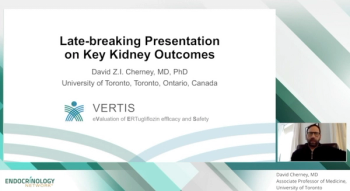
A nephrologist and professor from the University of Toronto offers insight into the results of a key kidney outcomes analysis of the VERTIS-CV trial.
Practical Cardiology's Chief Advisory Board member Dr. Guy Mintz and a principal investigator from the CLEAR program discuss bempedoic acid and how they envision it fitting into treatment algorithms going forward.

An analysis of data from 3 major health studies details associations between anti-inflammatory foods and lower risk of stroke and heart disease.

Analysis of data from the SUSTAIN program suggests adverse gastrointestinal events contributed little to superior weight loss seen with semaglutide versus other GLP-1 receptor agonists.
An analysis of patients presenting to more than a dozen stroke centers in England and Scotland gives physicians an updated look at trends and outcomes of stroke patients with COVID-19 compared to their counterparts without the disease.

Learn more about the latest indication for ticagrelor from the FDA and check out an exclusive interview from S. Claiborne Johnston, MD, PhD, on results of the pivotal THALES trial.

Collaborative Care: Technology’s Evolving Role in Cardiometabolic Health is a 3-part feature series examining the evolution of technology in the management of patients with cardiometabolic diseases, such as cardiovascular disease and diabetes.

A recent trial found incorporating an online weight loss program to population health management strategies was linked to greater reductions in body weight.