
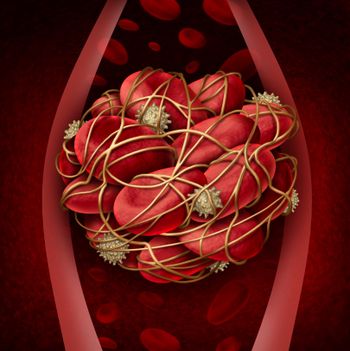
Data from a 20-year follow-up of gender diverse individuals indicate transgender men receiving testosterone therapy were at an 11% increased risk of developing erythrocytosis.
Patrick Campbell is the editorial director of HCPLive. Patrick has spent years spearheading coverage surrounding cardiometabolic health and rheumatic disease for MJH Life Sciences. Before joining MJH Life Sciences in 2019, he spent time as a beat reporter and/or multimedia specialist with the Pocono Record, Star News Group, and NJ Advance Media. He is the executive producer for multiple HCPLive podcasts, including Diabetes Dialogue, Don't Miss a Beat, Kidney Compass, Medical Ethics Unpacked, The Medical Sisterhood, and Skin of Color Savvy.
Follow him on Twitter @RealPatCampbell or reach him via email at PCampbell@mjhlifesciences.com.
Data from a 20-year follow-up of gender diverse individuals indicate transgender men receiving testosterone therapy were at an 11% increased risk of developing erythrocytosis.

An analysis of more than 2k mother-child pairs indicates assessments of maternal cardiovascular health could shed light on the potential for poor cardiovascular health among their children at ages 10-14 years.

An analysis of nearly 150 patients with severe COVID-19 and increased troponin levels indicates more than half of those patients went on to develop infarction, myocarditis, ischemia, or a combination of the three.

This episode of the Endocrine Outlook podcast features an interview on dietary interventions and the role of nutrition in obesity management with Ariana Chao, PhD, CRNP, of the University of Pennsylvania.

Novartis announced the US FDA has expanded the label for sacubitril/valsartan (Entresto) to include reducing the risk of CV death and hospitalizations for heart failure among patients with chronic heart failure.

An intervention trial from Germany suggests specialized mobile stroke units could help improve rates of disability and death following a stroke.

An analysis of more than 28k incident myocardial infarction events demonstrates increased physical activity levels were associated with a 21-45% lower risk of instant death and a 15-36% lower risk of death in the first 28 days.

An analysis of data from the UK Biobank cohort is adding to the understanding of HbA1c and neurological health, suggesting patients with prediabetes were at an increased risk of cognitive decline and vascular dementia.

A recent study from Northwestern University suggests 30-53% of all new diabetes cases in the United States were directly attributable to obesity.

An analysis of data from the TRUST trial supports guideline recommendations against levothyroxine for reducing depressive symptoms in older adults with subclinical hypothyroidism.

An analysis of data from 195 countries over a nearly 3 decade period indicates prevalence and burden of heart failure have continued to grow since 1990.

A statement from Regeneron announced their ANGPTL3 inhibitor evinacumab (Evkeeza) received approval as an adjunct therapy for lowering LDL-C in patients 12 years and older with homozygous familial hypercholesterolemia.

An analysis of data from an ethnically diverse cohort of more than 120k patients indicates Chinese adults were more susceptible to obesity-related health complications, such as hypertension, than other racial/ethnic groups.

An analysis of data from the International Consortium of Blood Pressure-Genome Wide Association Studies suggests every 1 mmHg increase in blood pressure was linked to a 1.4-2.6% increase in risk of atrial fibrillation.

An analysis of more than 200 children indicates type 1 diabetes was linked to persistent differences in total IQ and white matter volume among children with type 1 diabetes.

A new report published in the Journal of the American Heart Association suggests obesity was linked to 30-53% of all new cases of diabetes within the United States.

Data from an analysis of nearly 400k older patients suggests Medicare Advantage beneficiaries were less likely than their counterparts with commercial insurance to be prescribed newer glucose-lowering agents such as GLP-1RAs and SGLT2 inhibitors.

An analysis of data from a trio of major cardiovascular studies details the apparent decrease in risk of incident heart failure associated with increased intake of coffee.

A trial from LSU's Pennington Biomedical Research Lab indicates a health coach-led intervention in primary care settings was associated with improvements in fasting blood glucose and HDL-C cholesterol.
An intervention implementing the use of a health coach in a primary care setting based on the 2013 AHA/ACC/Task Force for the Management of Overweight and Obesity in Adults guidelines was associated with greater weight loss and improvements in blood glucose levels and HDL-C compared to usual care.

A randomized, cross-over trial of more than 60 overweight individuals indicates a low-fat vegan diet was more effective than a Mediterranean diet for inducing weight loss and lowering cholesterol levels.

An analysis of the ARIC study suggests older patients with prediabetes were more likely to regress to normoglycemia than progress to diabetes during the follow-up period.

An analysis of nearly 30k patients from the LEAD study suggests increased HbA1c variability within the first 2 years of a diabetes diagnosis was associated with a 30-59% increase in risk of incident cardiovascular disease.

An analysis of 5-year outcomes data from the Teen-LABS study indicates bariatric surgery was in teens 13-15 years old resulted in similar outcomes as surgery among those 16-19 years old.

In recognition of National Wear Red Day, we invited Jennifer Majersik, MD, to a special edition episode of the Practical Cardiology podcast focused on sex-based disparities in stroke care.

An analysis of 29k patients with type 2 diabetes suggests increased HbA1c variability within the first 2 years of a diabetes diagnosis was associated with a 30-59% increase in risk of incident cardiovascular disease.
An analysis of claims data from more than 2k patients with type 2 diabetes provides insight into the effects of initiating use of a flash CGM system on acute diabetes-related events and hospitalizations in CGM-naive patients.

An analysis of data obtained from the CARDIA study offers insight into the subsequent cardiovascular risks associated with gestational diabetes and how glucose control after pregnancy impacts this apparent increase risk.

The SUCCOUR trial indicates GLS-guided cardioprotective therapy could be more effective at reducing the impact of cancer therapy-related cardiac dysfunction and incidence of cardiotoxicity than LVEF-guided therapy in patients exposed to anthracyclines.
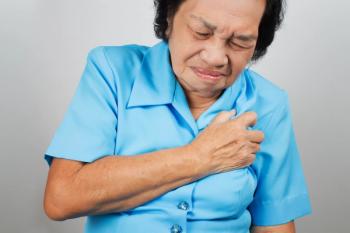
An analysis of more than 1.2 million patients from an STS database suggests women were 14-22% less likely to undergo guideline-recommended revascularization procedures than their male counterparts.