

An analysis of data from the Marketscan database suggests undergoing bariatric surgery in severely obese patients with NAFLD could reduce risk of cancer among these patients.
Patrick Campbell is the editorial director of HCPLive. Patrick has spent years spearheading coverage surrounding cardiometabolic health and rheumatic disease for MJH Life Sciences. Before joining MJH Life Sciences in 2019, he spent time as a beat reporter and/or multimedia specialist with the Pocono Record, Star News Group, and NJ Advance Media. He is the executive producer for multiple HCPLive podcasts, including Diabetes Dialogue, Don't Miss a Beat, Kidney Compass, Medical Ethics Unpacked, The Medical Sisterhood, and Skin of Color Savvy.
Follow him on Twitter @RealPatCampbell or reach him via email at PCampbell@mjhlifesciences.com.
An analysis of data from the Marketscan database suggests undergoing bariatric surgery in severely obese patients with NAFLD could reduce risk of cancer among these patients.
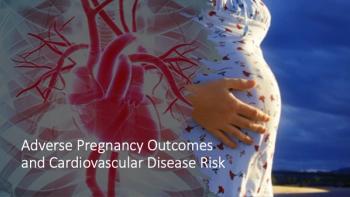
The American Heart Association is highlighting the effect of adverse pregnancy outcomes on risk of cardiovascular disease later in life among women. Check out this interview with the chair of the writing committee for more perspective on the statement.

The FDA announced approval for the Harmony Transcatheter Pulmonary Valve device for treatment of patients with native or surgically-repaired right ventricular outflow tract was awarded to Medtronic Inc.

Data from a single center, retrospective cohort study conducted in Israel suggests undergoing TAVR could lead to improvements in kidney function among patients with aortic stenosis.

A single-center study presented at ENDO 2021 suggests more than half of the patients with thyroid eye disease patients treated with teprotumumab (Tepezza) developed otologic symptoms.

Juan Frias, MD, breaks down results of a post-hoc analysis of the AWARD-11 study examining expanded doses of dulaglutide according to baseline HbA1c levels.

An analysis presented at ENDO 2021 suggests less than 5% of patients at high risk for primary aldosteronism undergo screening and most screenings occur after the onset of symptoms.

An analysis of more than 2k HFrEF patients from the CHAMP-HF registry indicates changes in KCCQ-OS may be a more accurate way of capturing changes in disease state than New York Heart Association class.

An analysis of women with polycystic ovary syndrome indicates Black women with the disorder were at a greater risk for heart disease, diabetes, and stroke than their White counterparts.
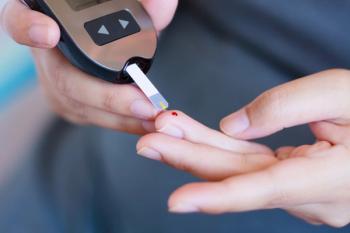
Learn more about once-weekly basal insulin Fc from Eli Lilly and Company in this interview with the lead investigator from their phase 2 trial, which was presented at ENDO 2021.
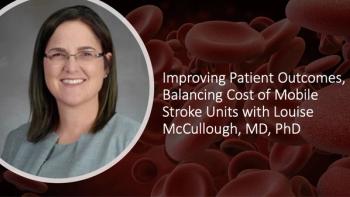
Check out this interview with Louise McCullough, MD, PhD, Program Chair of ISC 21, where she offers perspective on mobile stroke units and what barriers prevent further implementation of the specialized ambulatory units.

Zealand Pharma announced the US FDA approved dasiglucagon (Zegalogue) for treatment of severe hypoglycemia in patients with diabetes aged 6 and older and the injectable will be available as both an auto injector and a prefilled syringe.

A Michigan State University-led analysis suggests just 3% of patients at high risk for primary aldosteronism underwent screening for the hypertensive disorder.

A literature review of studies assessing SGLT2 inhibitor use in kidney transplant patients with diabetes suggests use did not impact graft function and was associated with improvements in glucose control and body weight.

An analysis comparing propensity-matched data from 4k transgender is providing an updated overview of the risk profile for patients undergoing gender-affirming therapy compared to their cisgender counterparts.

A meta-analysis of nearly a dozen studies presented at ENDO 2021 suggests Black women with PCOS were at an increased cardiometabolic risk, despite having comparable fasting glucose and lower triglyceride levels.

A randomized, 3-arm study is giving further insight into the effects of levothyroxine monotherapy compared against a thyroid combination therapy and desiccated thyroid extract for management of hypothyroidism, particularly in patients with Thr92AlaD2 polymorphism.

An analysis of patients and providers from endocrine clinics suggests many patients and providers were open to continuing with telehealth practices after the pandemic and many saw little to no limitations with the new practices.

An analysis of 4k transgender youth and 16k propensity-matched controls is providing insight into the increased risk of conditions adversely impacting the cardiometabolic health of these patients.

An analysis by investigators from the University of Arkansas suggests children with adrenal insufficiency were 10 times more likely to die from COVID-19 than their counterparts without adrenal insufficiency and COVID-19.

Using data from the AHA's COVID-19 Cardiovascular Disease Registry, a new analysis presented at ISC 21 provides an overview of the overall risk, risk factors, and outcomes of COVID-19-related ischemic stroke among US patients.

An analysis of more than half a million thyroid hormone users indicates more than 30% were also concurrently receiving a medication known to interfere with thyroid function tests.
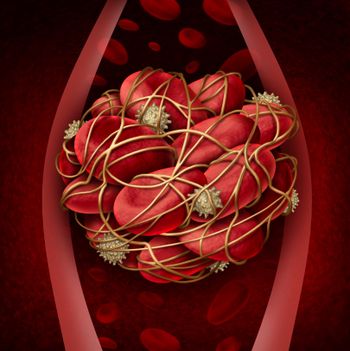
A pair of studies from ISC 21 is providing insight into the benefits of mobile stroke units while also highlighting current barriers to widespread implementation of these units.

A review of observational data suggests the presence of type 2 diabetes could increase risk of developing Parkinson disease and might also speed the progression of motor symptoms.

An interim analysis of the ANGIOCAT trial suggests immediate angiography could help preserve function and improve outcomes in the treatment of patients with stroke caused by a large vessel occlusion compared to the current standard of performing a CT scan.

A study from ISC 21 suggests Black patients using Medicare were 4% more likely to die in the first 10 years after a stroke than their white counterparts.

A systematic review and meta-analysis of data from more than 280 studies is providing insight into the potential increase in risk of depression and other psychiatric adverse events associated with beta-blockers.

A trial of more than 20k women from investigators at Kaiser Permanente found there were no significant differences in outcomes among pregnant women undergoing gestational diabetes screenings using the ADA's 1-step approach versus the ACOG's 2-step approach.

An analysis of the REDUCE-IT trial suggests patients on statins who were also receiving icosapent ethyl reduced their risk of an ischemic stroke by an additional 36%.
Check out the Endocrine Outlook podcast, brought to you by the Endocrinology Network. This episode focuses on semaglutide 1 mg as a weight loss therapy for patients who are obese or overweight.