

A systematic review and meta-analysis presented at AACE 2021 details the risk of cardiovascular disease in patients with thyroid cancer who have undergone thyroidectomy.
Patrick Campbell is the editorial director of HCPLive. Patrick has spent years spearheading coverage surrounding cardiometabolic health and rheumatic disease for MJH Life Sciences. Before joining MJH Life Sciences in 2019, he spent time as a beat reporter and/or multimedia specialist with the Pocono Record, Star News Group, and NJ Advance Media. He is the executive producer for multiple HCPLive podcasts, including Diabetes Dialogue, Don't Miss a Beat, Kidney Compass, Medical Ethics Unpacked, The Medical Sisterhood, and Skin of Color Savvy.
Follow him on Twitter @RealPatCampbell or reach him via email at PCampbell@mjhlifesciences.com.
A systematic review and meta-analysis presented at AACE 2021 details the risk of cardiovascular disease in patients with thyroid cancer who have undergone thyroidectomy.
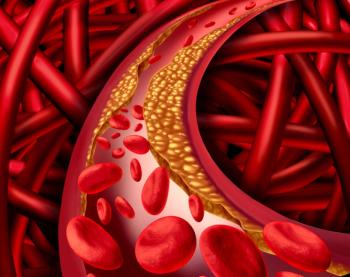
A systematic review and meta-analysis presented at AACE 2021 shed light on risk factors associated with increased odds of developing peripheral artery disease among patients with type 2 diabetes.
A systematic review and meta-analysis presented at AACE 2021 sheds light on risk factors associated with increased odds of developing peripheral artery disease among patients with type 2 diabetes.

Data from a phase 1 trial comparing dosing 15 and 30 minutes prior to breakfast suggests the wait time between intake of the novel liquid formulation of levothyroxine, Tirosint-SOL, and breakfast could be shortened to 15 minutes.

Despite the investigators' hypothesis, implementing use of CGM at hospital discharge did not reduce risk of emergency department visits or rehospitalizations among patients with uncontrolled type 2 diabetes.

A retrospective analysis of EHR data suggests use of CGM or visits from a diabetes educator or nutritionist were associated with a decrease in gaps between receiving care at a pediatric endocrinology clinic and an adult clinic among patients transitioning from pediatric to adult diabetes.

Data from LINC3 and LINC4 provide insight into the impact of dosing titration schedules on risk of hypocortisolism-related adverse events associated with osilodrostat use in patients with Cushing's disease.

An analysis of data from 10k women in the Lifetime Risk Pooling Project presented at EPI Lifestyle 2021 suggests premature menopause was associated with a 40% increase in risk of coronary heart disease.

Data from a retrospective review of patients with type 2 diabetes and heart failure at a diabetes center in Maryland details trends in prescribing and discontinuation in a real-world setting over a 5-year period.

A systematic review and meta-analysis of a dozen trials assessing the MiniMed 670G system provides insight into the effects of the hybrid closed-loop system on A1c and time in range among patients with type 1 diabetes.
The American Heart Association and American Stroke Association have released an updated version of their guidelines for prevention of secondary stroke in patients with stroke or TIA, which had not been updated since 2014.

The USPSTF has issued the organization's first recommendation on interventions for promoting healthy weight gain during pregnancy and also provided an overview of the evidence base used for the recommendation statement.

Results of an analysis of the MESA study suggest increased pericardial fat volume was associated with a 2-fold increase in heart failure risk in women and a 53% increase in risk among men.

A 23-year study suggests presence of autoantibodies could aid clinicians in predicting the risk of developing type 1 diabetes among women with gestational diabetes.

An analysis of data from DASH-Sodium sheds further light on the impact of increased sodium intake on cardiovascular risk.

A single-arm study examining the effects of a very-low calorie ketogenic diet over a 1-month period indicates the dietary approach was associated with improvements in body weight and sex hormones among men with overweight or obesity.

New observational data from the SPRINT trial provides further support of using a more intense blood pressure goal, suggesting use of 120 mmHg as a goal rather than 140 mmHg could reduce the risk of major adverse cardiovascular events.

An analysis of patients who achieved blood pressure goal within a digital care program details the potential ability of digital health interventions to improve management of patients with hypertension.

An analysis of WHI data indicates social isolation and loneliness were associated with significant increases in risk of major cardiovascular disease, even after adjustment for other clinical risk factors.

A retrospective review of ASCVD risk factors at baseline and 1 year after initiating hormone therapy among transgender adolescents suggests the increased risk of cardiovascular disease seen among this population could be driven by increased prevalence of baseline risk factors.

Pooled data from 10k women in the Lifetime Risk Pooling Project suggests premature menopause was associated with a 40% increase in risk of coronary heart disease.

Analysis of the UK Biobank cohort details a graded increase in risk of cardiovascular and renal events across the glycemic spectrum, including among patients with prediabetes.
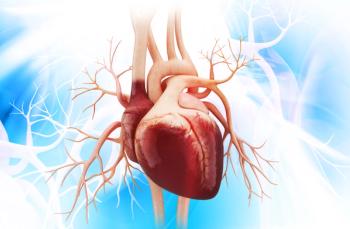
Hear from Deepak Bhatt, MD, MPH, on a systematic review and meta-analysis of SGLT2 inhibitor trials examining the effects of the class on heart failure across multiple subgroups, including those with preserved ejection fraction.

An analysis of patient and clinician responses to surveys within BOAT-AF suggests many were willing to consider DOACs but were never prescribed anticoagulation and also provides insight into how trends in this cohort compared to those in the ACC's PINNACLE registry.

A pooled risk simulation of phase 3 data of bempedoic acid suggests the first-in-class ATP citrate lyase inhibitor could reduce risk of cardiovascular events in patients with established cardiovascular disease and elevated LDL-C.

Analysis of data from the FIDELIO-DKD trial suggests use of finerenone was associated with a nearly 30% reduction in new-onset atrial fibrillation among patients within the phase 3 trial.

A comparison of annual mortality rates related to cancer and cardiovascular disease is shedding light on the impact of the obesity epidemic on progress against both since 1999.

Results of RADIANCE-HTN TRIO suggest ultrasound renal denervation could improve blood pressure control in patients with refractory hypertension, suggesting RDN was associated with a mean reduction of 8 mmHg from baseline a 4.5 mmHg improvement over sham procedure.

An analysis of 9 trials examining SGLT2 inhibitors in patients with heart failure provides insight into the effects of the agents across the spectrum of heart failure, including those with decreased eGFR and preserved ejection fraction.

An analysis of FIDELIO-DKD indicates use of finerenone was associated with significant reductions in risk of new-onset atrial fibrillation in patients with type 2 diabetes and chronic kidney disease.