
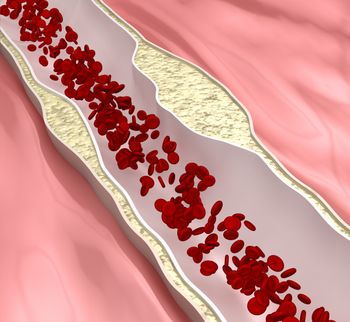
A recent study found that time-restricted diets did not induce changes in blood pressure or lipid profiles, but did lead to reductions in weight loss.
Patrick Campbell is the editorial director of HCPLive. Patrick has spent years spearheading coverage surrounding cardiometabolic health and rheumatic disease for MJH Life Sciences. Before joining MJH Life Sciences in 2019, he spent time as a beat reporter and/or multimedia specialist with the Pocono Record, Star News Group, and NJ Advance Media. He is the executive producer for multiple HCPLive podcasts, including Diabetes Dialogue, Don't Miss a Beat, Kidney Compass, Medical Ethics Unpacked, The Medical Sisterhood, and Skin of Color Savvy.
Follow him on Twitter @RealPatCampbell or reach him via email at PCampbell@mjhlifesciences.com.
A recent study found that time-restricted diets did not induce changes in blood pressure or lipid profiles, but did lead to reductions in weight loss.

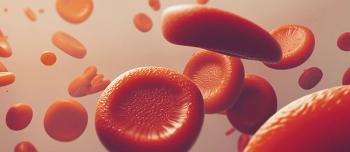
An analysis of data from the Amsterdam Cohort of Gender Dysphoria study is shedding light on the risk of erythrocytosis seen in transgender men receiving testosterone therapy.
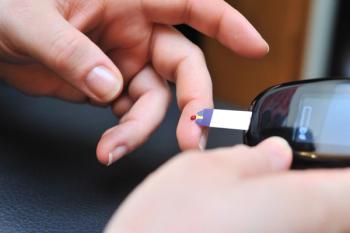
Principal investigator of the SURPASS-2 trial discusses the results of the trial and how it informs clinicians on the use of tirzepatide versus currently approved diabetes medications.

A major analysis suggests 2 servings of fruit and 3 servings of vegetables daily was linked to the greatest overall longevity and a 12% reduction in risk of death from cardiovascular disease.

Dr. Gregory Weiss offers perspective on the unique set of challenges that accompanies the treatment of children with cardiovascular conditions as opposed to treating adult patients.
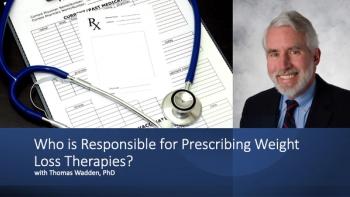
After providing insight into the results of the STEP 1 and STEP 3 trials, Dr. Wadden discusses who he believes the responsibility for prescribing these medications will fall unto if semaglutide receives approval as a weight loss agent.
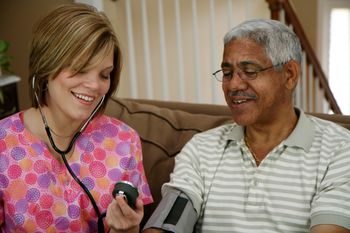
An analysis of data from more than 16k Hispanic/Latino individuals indicates the prevalence of cardiovascular risk factors among those with a history of stroke/TIA was greater than previously thought and many are unaware of these risk factors.

An analysis of data from 2 major studies suggests women with childhood-onset type 1 diabetes experienced 2.5 fewer reproductive years than their counterparts without diabetes.

Data from the Healthcare Cost and Utilization Project detail the apparent increase in risk of stroke faced by American Indian individuals, regardless of whether or not they had atrial fibrillation.

Data from the PURE study suggests an increased intake of poor quality carbohydrates was linked to an increased risk of major cardiovascular events and death in patients from 20 different countries.

An analysis of more than 2.8 million person-years of data suggests a mixture of 2 servings of fruit and 3 servings of vegetables per day was the "ideal" intake and provided the greatest amount of longevity.
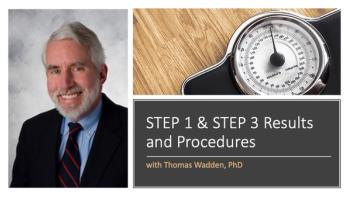
Published in late February, results of the STEP 1 and STEP 3 trial give clinicians insight into the effects of 2.4 mg subcutaneous semaglutide as an intervention for weight loss in overweight or obese patients ahead of a potential approval in June 2021.

Results of a two-sample Mendelian randomization analysis suggest vitamin D levels were unlikely to have a large effect on a person's risk for developing type 1 diabetes.

An AHA study suggests nearly 66% of all COVID-19 hospitalizations could be attributed to the presence of obesity, diabetes, hypertension, or heart failure.

An analysis of nearly 500 patients hospitalized with COVID-19 from London suggests dysnatremia could help signal which patients were at an increased risk of complications, including death and need for respiratory support.

A web-based model developed by a team at Thomas Jefferson University appeared to accurately predict risk of stroke and adverse cardiovascular events following non-cardiac surgery.

A study of 80 young women is providing clinicians with insight into how total body fat can impact the timing of puberty and levels of pubertal hormones in women.

An analysis using data from the CDC, COVID-NET, and the COVID Tracking Project suggests nearly 2 out of 3 COVID-19 hospitalizations in the US were attributable to obesity, hypertension, diabetes, and heart failure.
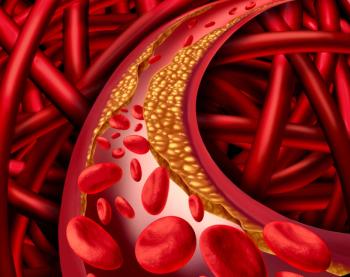
An analysis of data from a 12-week trial in overweight men on testosterone therapy is providing insight into the potential effect of testosterone therapy on vascular health and function.
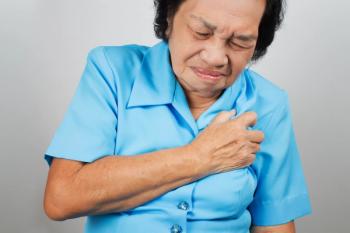
An analysis of data from 130 women suggests those with hypertensive disorders of pregnancy were at an increased risk of cardiovascular disease later in life, even if they had no baseline history of cardiovascular disease.

A review of 39 randomized clinical trials examining weight loss interventions is providing clinicians with an overview of engagement rates, mediums used, and effects of digital self-monitoring for weight loss among obese or overweight patients.

Using data from the Women's Health Initiative, a new analysis found increased intake of plant protein was linked to lower risk of all-cause mortality, as well as deaths related to cardiovascular disease and dementia, in postmenopausal women.

An observational analysis of data from more than 120k patients provides an overview of cerebral embolic protection devices and risk of in-hospital stroke among patients undergoing TAVR.

An analysis of more than 2k patients from within the Look AHEAD study suggests the timing of physical activity could play a role in mitigating cardiovascular risk among men with type 2 diabetes considered overweight or obese.
An analysis of data from more than 130 women suggests hypertensive disorders of pregnancy were associated with cardiac remodeling and risk of cardiovascular disease later in life.

Analysis of data from a 12-week study by investigators in Australia suggests testosterone therapy was not associated with improvements in arterial health or function.
An analysis of more than 100 patients hospitalized with severe COVID-19 indicates subsequent heart damage was discovered in more than half of these patients in imaging more than a month after discharge.

An analysis of more than 2k mother-child dyads suggests assessments of cardiovascular health could provide insight into the health of offspring during adolescence.
An analysis of data from the APPROACH registry suggest early revascularization with CABG or PCI may be a more effective approach than medical therapy in patients with stable ischemic heart disease and high-risk cardiac anatomy.